
Revenue pressure deepens at mid-sized shopping centres
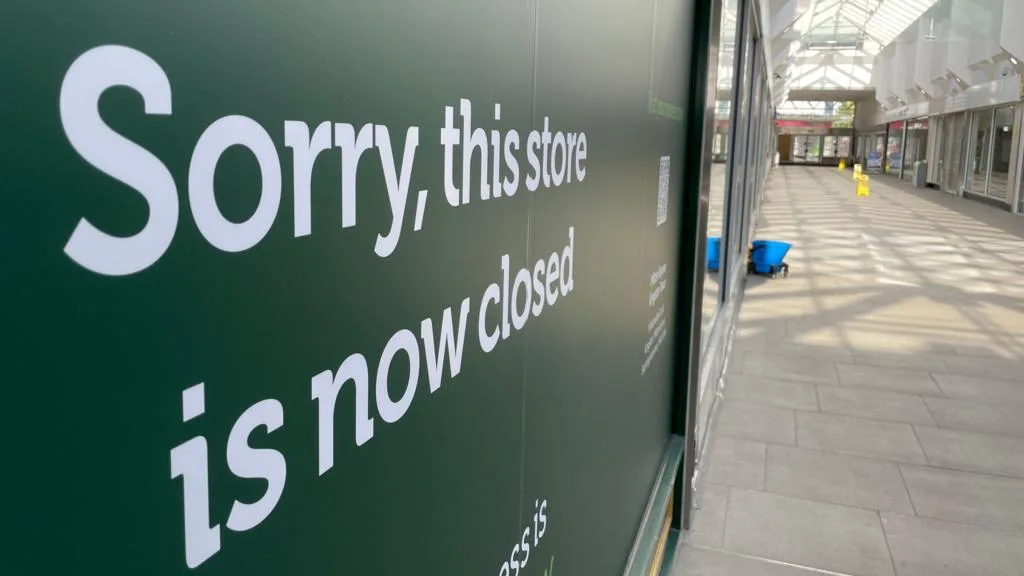
Mid-sized shopping centres in the UK are facing tougher competition as e-commerce grows and consumer spending becomes concentrated in larger destinations. Commercial property firm CBRE put the second-quarter vacancy rate at shopping centres across the country at 16%, while Savills data shows that around 73% of consumer spending in the April-June period took place in the largest centres, with secondary mid-sized centres accounting for less than 18%.
According to Subjit Jassy, a manager at Pioneer Group, online shopping has largely undermined the model of expanding a store network to grow revenue. As a result, many mid-sized centres across the country are seen as struggling to survive in their current form, while occupancy in some major destination centres is approaching full capacity.
Dr Kardi Somerfield of Northampton University says not all shopping centres will share the same fate. Even so, in secondary centres, closed cinemas, vacant department stores and shuttered storefronts are becoming increasingly visible.
Housing, healthcare and mixed use lead redevelopment plans
This picture is pushing investors and local authorities toward new uses. At Brunel Centre in Buckinghamshire, Boots Opticians, the last remaining store, will also close this month; the centre is due to be demolished next year and replaced with homes, a health centre and limited retail space.
A long-term plan for Grafton Centre in Cambridge aims to retain retail while adding new life sciences-focused space. In Norwich, the Anglia Square project is being weighted toward housing, while Milton Keynes council believes new homes added to the city centre will create a steady flow of customers for nearby businesses.
- Residential conversion aims to create a permanent local population and lift day-to-day spending around the centre.
- Healthcare, life sciences and similar uses are intended to diversify rental income.
- Entertainment and community uses are being chosen to increase dwell time and footfall.
Community-centre model emerges as an alternative
Demolition is not the answer for every centre. In Northampton, Market Walk is being transformed into an entertainment and leisure-focused space, while at Weston Favell, which opened in the 1970s, visitor numbers are said to have risen every year since the pandemic. The centre now combines a large supermarket with national brands, independent businesses and a range of community spaces.
Plans to open a 250-seat theatre next year in a former Wilko store inside Weston Favell also point to the direction of this new approach. Financially, the model aims to improve the chances of mid-sized malls surviving by repurposing vacant space and strengthening the rent mix.





Comments (0)
No comments yet. Be the first to comment.
Write a Comment
Yorum yazmak için giriş yapın. Üyelik ücretsiz; yorumunuz editör onayından sonra yayımlanır.