
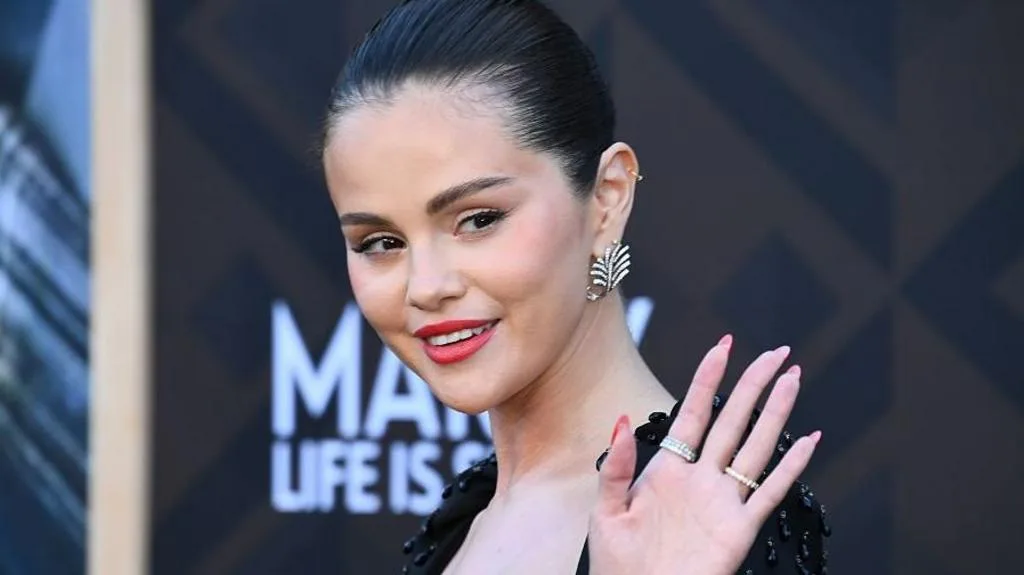
In a lawsuit filed in the U.S., five people who invested in Wondermind, the mental health platform co-founded by Selena Gomez, said their roughly $1.2 million investment was raised through misleading claims. The investors say they were told Gomez would provide active support to the company, while the singer’s lawyer has asked for her to be dropped from the case entirely.
According to the court filing, the investors backed the company with the expectation that Gomez’s social media influence and commercial power would directly help drive growth. The complaint argues that they were led to believe she would play an active role in marketing, and that this was a key factor in their decision to invest.
Defense rejects the allegations
Matthew Rosengart, Gomez’s lawyer, described the investors’ claims as weak, broad and internally inconsistent. The defense says Gomez never agreed to run Wondermind or to make the kinds of operational and commercial commitments the investors allege.
Rosengart said the claims against his client are baseless and added that the legal team is considering further action, including seeking sanctions against the plaintiffs. That stance suggests the dispute is not only legal, but also carries reputational and brand-value implications.
Corporate governance and brand risk in focus
The filing also says Gomez’s mother, along with the company and another co-founder, faces fraud allegations. The dispute has renewed questions about how clearly roles, oversight and decision-making authority are defined in ventures built around family ties.
According to crisis communications expert Lauren Beeching, business structures driven by family relationships can easily blur the line between personal ties and corporate responsibility. Beeching said independent oversight, clear job descriptions and a set process for handling disputes are critical for investor confidence in such setups.
The case is focusing less on Wondermind’s financial structure than on investor communications and the defined roles of its co-founders. As a result, it is being watched as another example of how the market prices corporate governance risks in businesses linked to celebrity personal brands.
"""
Comments (0)
No comments yet. Be the first to comment.
Write a Comment