
The origins of Kırkpınar and what the festival means
Kırkpınar oil wrestling is not just a sporting contest; it stands out as a living tradition with its rituals, language and attire. According to legend, it began with the wrestling matches held by 40 soldiers under Süleyman Pasha during the Rumelia campaign in 1346; UNESCO documents also emphasize that the tradition was born in Rumelia in the 14th century.
UNESCO inscribed the Kırkpınar Oil Wrestling Festival on the Representative List of the Intangible Cultural Heritage of Humanity on November 16, 2010. This listing provides a framework that protects not only the competitive side of the event, but also the music, prayers, forms of address and spectator culture passed down from one generation to the next.
What do peşrev, the cazgır’s prayer and davul-zurna mean?
The peşrev seen at the start of oil wrestling is regarded as a set of ritual steps that expresses the wrestler’s respect for both his opponent and the audience. The cazgır’s prayer and the accompaniment of the davul-zurna are among the elements that turn the match into a ceremony rather than a purely athletic contest.
How should kispet, oil and wrestler classes be understood?
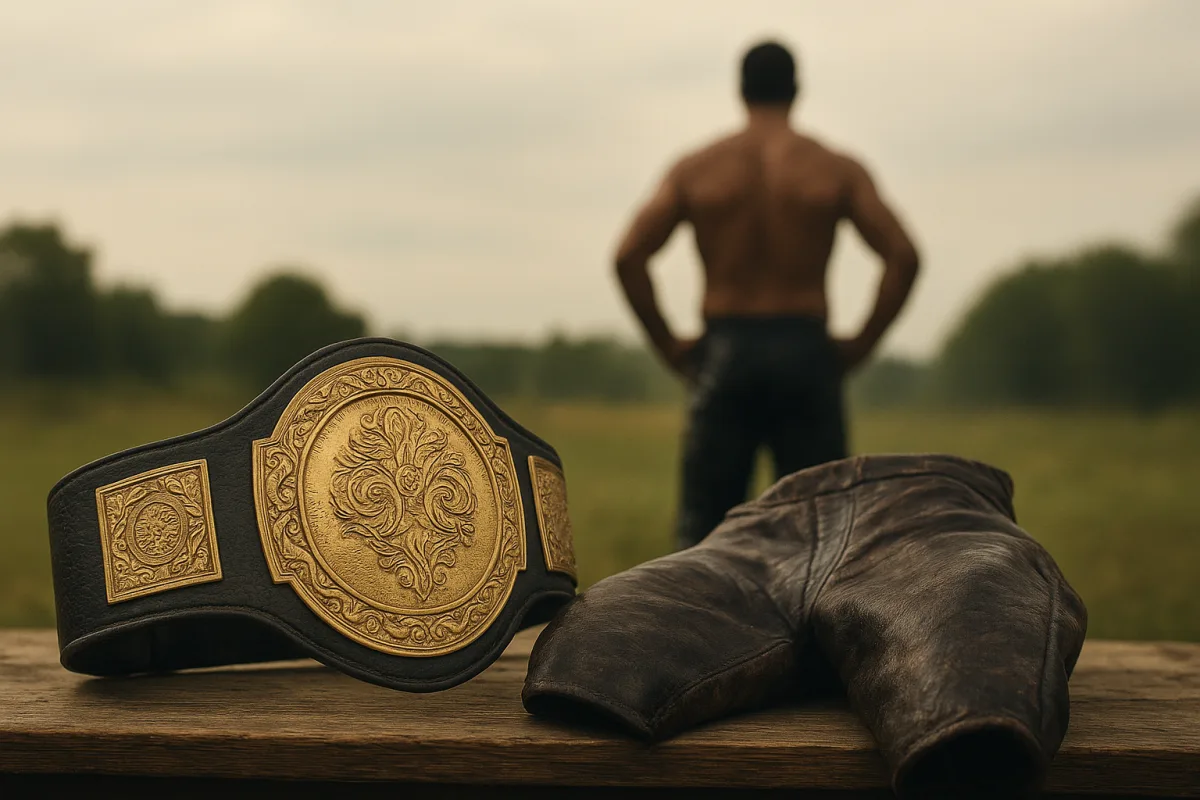
The short answer to what a kispet is is that it is the traditional leather wrestling garment worn by the wrestler, reaching from the waist to the knees. The oil applied to the body makes grips harder to hold, changing the nature of the technical contest; balance, grip and timing become decisive in this discipline.
Matches are held in class categories determined by age, weight and experience. The traditional classes that stand out are:
- Deste: one of the names used for development categories at the lower levels.
- Orta: refers to intermediate categories where experience and physical readiness become more pronounced.
- Başaltı: seen as a strong threshold for moving to the top level.
- Baş: the highest category, where the contest for the title of başpehlivan takes place.
The title of başpehlivan is one of Kırkpınar’s most visible symbols. The main aim in the matches is to establish technical superiority over the opponent; judging in practice is shaped by the referees and the rules in force.
Who receives the gold belt, and how does it become permanent?
The gold belt tradition was introduced by Edirne Municipality in 1960, and the first winner was İbrahim Karabacak. The belt, made of 22-carat gold, is awarded to the başpehlivan for one year.
To become the permanent owner of the belt, a wrestler must win the başpehlivan title three years in a row. In this sense, the gold belt symbolizes consistency and staying at the top rather than a single tournament victory.
A notable example in Kırkpınar history
Ahmet Taşçı won the belt permanently twice after becoming başpehlivan three times in a row in the 1990-1992 and 1995-1997 periods. This achievement also shows why the gold belt in the Edirne Kırkpınar tradition is seen not only as a prize, but also as a symbol of historic prestige.
Comments (0)
No comments yet. Be the first to comment.
Write a Comment
Yorum yazmak için giriş yapın. Üyelik ücretsiz; yorumunuz editör onayından sonra yayımlanır.