
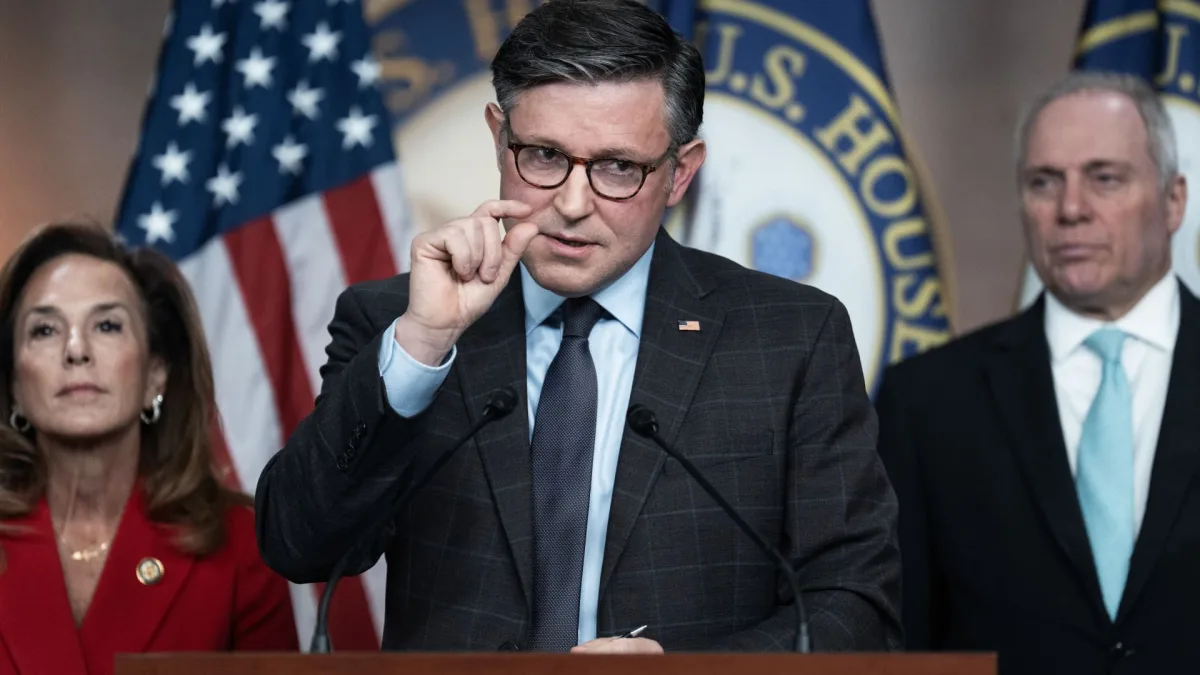
Why is the House vote on the agenda?
The U.S. House of Representatives is preparing to vote as early as Tuesday on a nonbinding resolution targeting socialism. The vote to condemn socialism is being viewed as a Republican effort to put Democrats on the defensive ahead of the November elections, particularly through the party's left wing.
The text under consideration is not a bill and carries no legal force. As a result, it is not expected to produce any immediate market-moving measure, but rather to sharpen political messaging during the campaign over economic models, public spending and the role of government.
What controversial addition was attached to the resolution?
Republicans also added support for the SAVE America Act, a controversial voter-ID measure. That move stood out as a factor that could even distance some Democrats who are otherwise willing to back a condemnation of socialism.
- In addition to condemning socialism, the text includes a message against non-U.S. citizens voting in elections.
- Democrats say the approach is another attempt to create political talking points for use in the election campaign.
Party dynamics and the election economy debate
The backdrop to the move is that many candidates backed by Democratic Socialists have beaten more moderate Democrats in primaries. With their brand weakening in opinion polls, Republicans aim to highlight the party's leftward shift and offer voters a clearer ideological contrast.
Steve Scalise said the vote this week is intended to draw a contrast not only on socialism but also on election security. On the Democratic side, California Representative Pete Aguilar argued that Republicans are trying to create a new campaign talking point through the process.
How did the first vote process unfold?
The procedural vote that allowed the resolution onto the House floor nearly failed early Tuesday after objections from some conservative Republicans. The process moved forward only after two Democratic representatives, Jared Golden of Maine and Marie Gluesenkamp-Perez of Washington, voted in favor.
The support from those two Democrats was also linked to the fact that the same package included a provision favorable to the lobster fishing industry. The episode showed how, in an election year atmosphere, ideological debates and economic interests can end up in the same congressional file.
"""





Comments (0)
No comments yet. Be the first to comment.
Write a Comment