
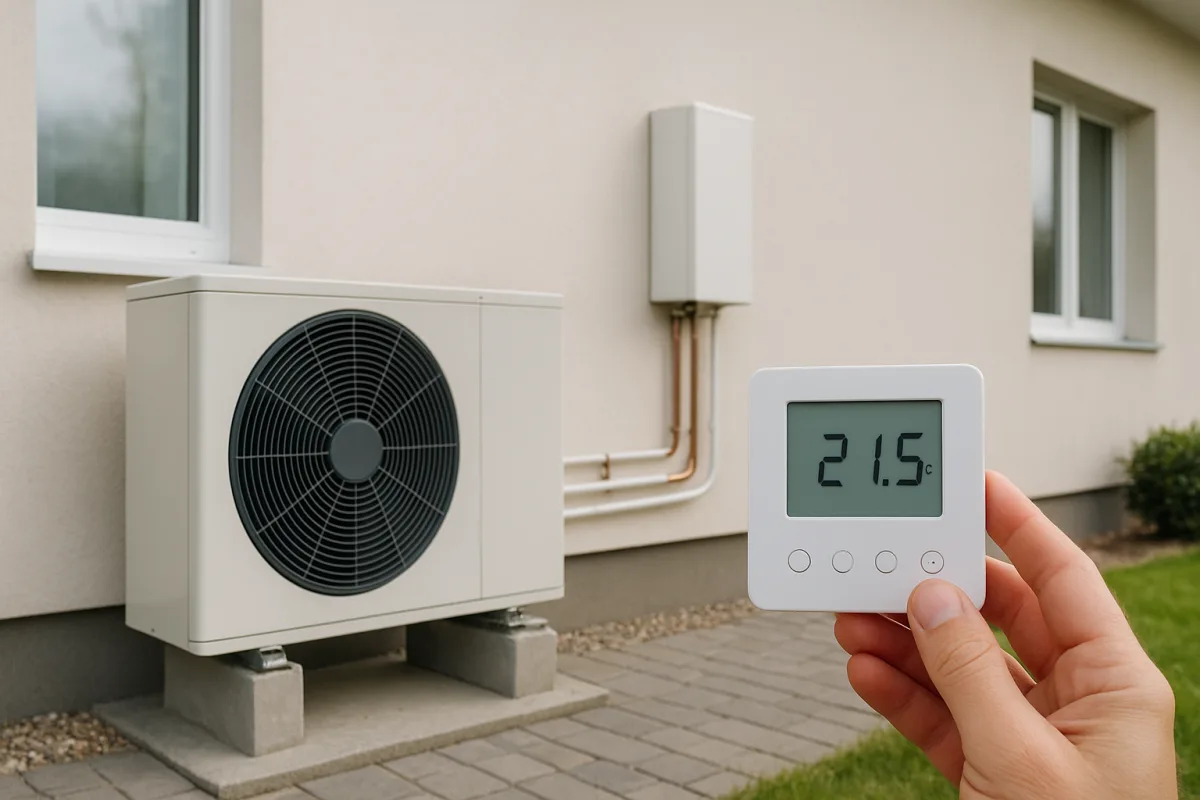
How does a heat pump generate heat in a home?
In residential buildings, a heat pump works as a heating system that transfers heat from the outside environment into the indoor space, rather than producing warmth by burning fuel directly. In the most common setups, air is used as the source, while in some applications soil or water serves as the heat source. Using a refrigerant circuit and a compressor, the system raises low-temperature heat to a usable level.
What is the basic working principle?
The operating principle is based on heat transfer technology similar to that used in refrigerators and air conditioners. Energy collected in the outdoor unit is transferred into the internal circuit, allowing radiators, underfloor heating lines or a hot water system to be supplied. Some models can also provide cooling in summer by reversing the cycle.
Which types stand out?
- Air-source systems are often considered for homes because they are easier to install.
- Ground-source systems may be preferred for more stable operation in buildings with available land and excavation space.
- Water-source solutions come into play in projects with suitable physical conditions and the necessary permit process.
Which homes are they most efficient in?
From the perspective of energy efficiency, the best results are usually achieved in buildings with low heat loss. For that reason, insulation, window quality, air tightness and the building’s overall heating demand are key factors. Rather than heating a home rapidly with very high temperatures, the system offers an advantage through steadier, continuous operation.
Why are insulation and the distribution system important?
A heat pump is often better suited to installations that use low-temperature water. That is why it pairs well with large-surface solutions such as underfloor heating; however, it can also be used in homes with sufficiently large radiators. In older, poorly insulated buildings, additional upgrades may be needed to achieve the expected comfort level.
Is conversion possible in existing buildings?
If switching in an existing home, it is important to look not only at the device itself, but also at the existing plumbing, electrical infrastructure, outdoor unit location and usage habits. In apartment buildings, practical issues such as balcony placement, façade conditions, noise levels and the building management plan can become important. In detached houses, space usage and hot water needs may allow more flexible solutions.
What should be reviewed before making a decision?
To make the right choice, the building’s heat loss calculation, the climate of the region and the user’s expectations should be assessed together. A heat pump does not deliver the same result in every home; the right capacity and installation directly affect performance. For that reason, the site inspection and system design phase matter more than the brand of the unit.
Quick checklist before installation
- The home’s insulation status and window performance
- Whether the radiator or underfloor heating setup is suitable
- The location, airflow and noise conditions for the outdoor unit
- The electrical infrastructure and hot water demand
In short, a heat pump stands out as a strong option especially in well-insulated homes with low-temperature distribution systems. It can also be used in older buildings with the right conversion, but efficient results require a technical review tailored to the project.





Comments (0)
No comments yet. Be the first to comment.
Write a Comment
Yorum yazmak için giriş yapın. Üyelik ücretsiz; yorumunuz editör onayından sonra yayımlanır.