
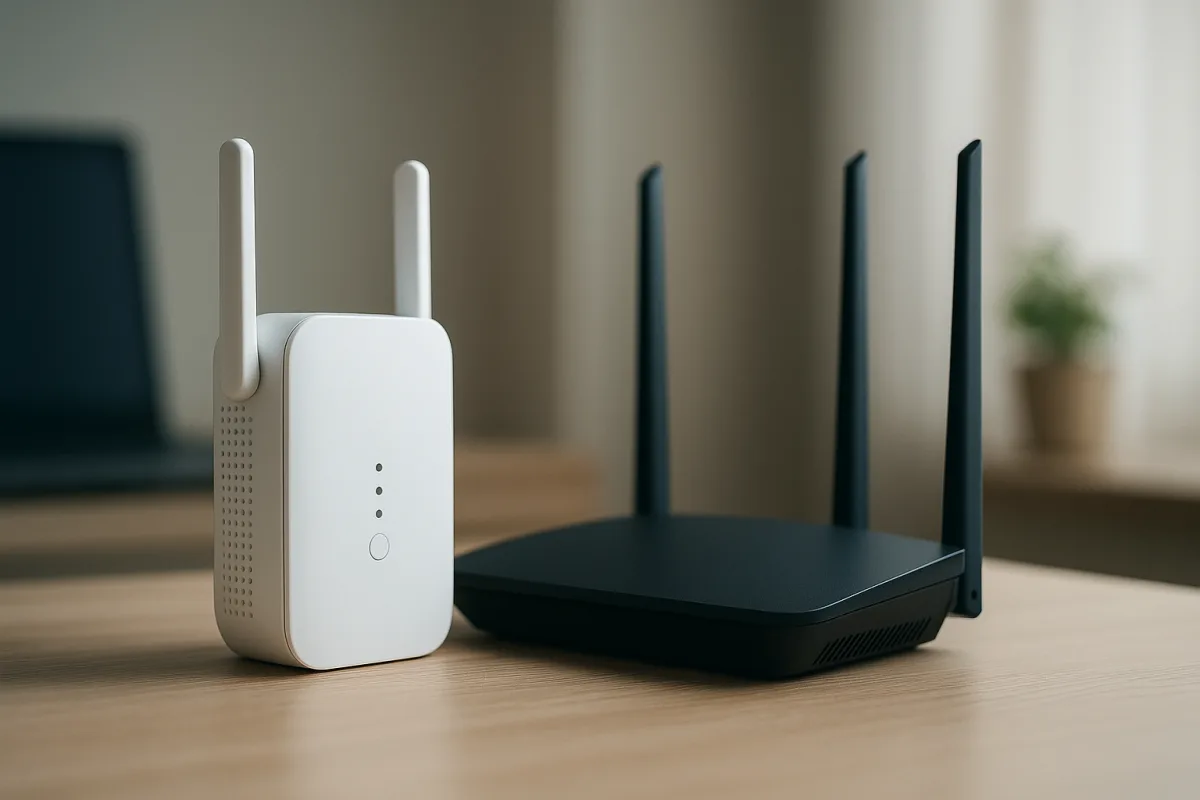
What to look at first when choosing a Wi‑Fi range extender
When buying a Wi-Fi range extender, focusing only on coverage is not enough. Identifying the weak-signal areas in a home or office, understanding how the device will connect to the existing router and defining the type of use you need will help you make a better choice.
These products are often also sold as signal boosters. However, not every device delivers the same performance; wall construction, number of floors, router placement and the number of devices connected at the same time directly affect the real-world experience.
Why does speed loss matter?
Because range extenders retransmit the wireless signal they receive, internet speed may drop in some usage scenarios. This loss can be more noticeable, especially on single-band models or devices using older standards. For that reason, not only “stronger signal” but also how stable the connection remains should be considered.
How should dual band, mesh and compatibility be evaluated?
Models with dual band support can offer more flexible use across different frequency bands. This setup may be an advantage for everyday browsing as well as tasks that require a more stable connection, such as video streaming, remote work or online meetings.
- It is important to choose a model that is compatible with the wireless standards supported by your router.
- The device’s setup app, management panel and security options affect ease of use.
- Models with an Ethernet port can be useful for desktop computers or smart TVs that need a wired connection.
If uninterrupted roaming under a single network name is desired at home, mesh-supported solutions may be more suitable. While traditional range extenders offer a practical solution in certain areas, mesh systems can provide a more balanced coverage experience in larger homes or multi-room spaces.
Quick checklist before buying
For the right choice, the usage scenario matters as much as the device’s technical specifications. In offices, the number of simultaneous connections is especially important; in homes, the distance between rooms and the number of obstacles should be taken into account.
- Compatibility with the router and supported wireless standards
- Whether it is single band or dual band
- The size of the area that needs coverage
- Ease of setup and app support
- Whether it can later be upgraded to a mesh system
In the end, the best range extender is not the model that makes the biggest promises, but the one that works best for the needs of the space it is used in. Assessing usage habits and network infrastructure before buying leads to a more efficient connection experience.
"""




Comments (0)
No comments yet. Be the first to comment.
Write a Comment
Yorum yazmak için giriş yapın. Üyelik ücretsiz; yorumunuz editör onayından sonra yayımlanır.