
Canada tariffs take center stage in Greer meeting
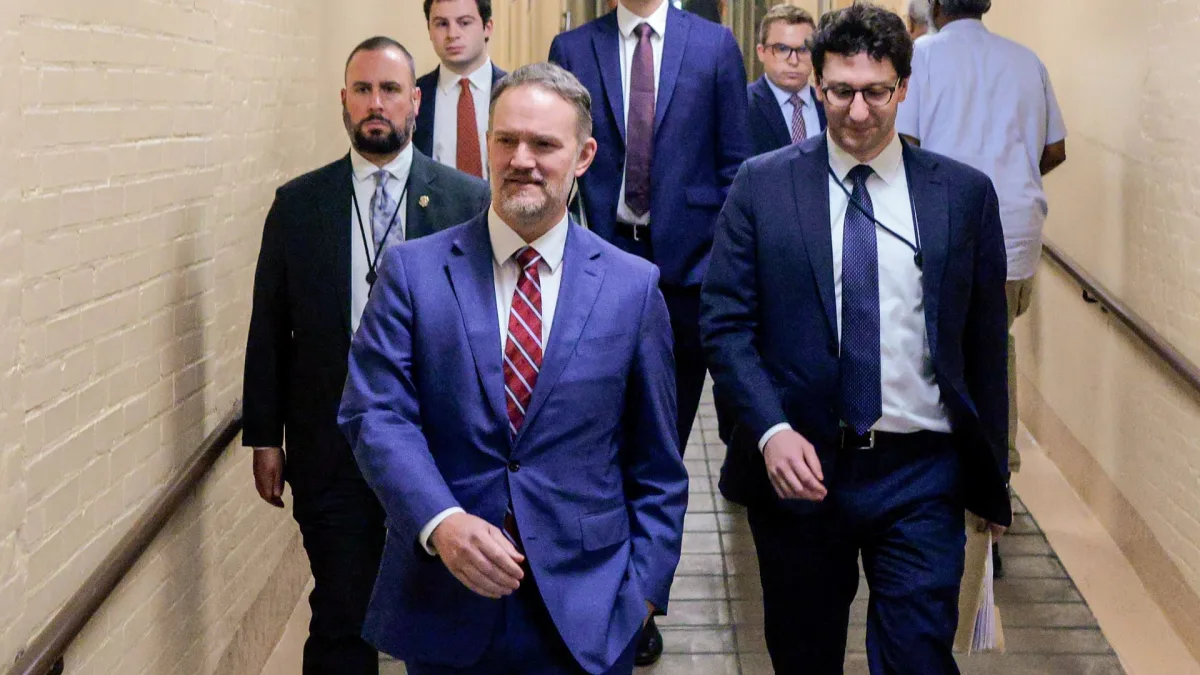
Canada tariffs have become a new source of pressure in U.S. politics and markets, and U.S. Trade Representative Jamieson Greer held a closed-door meeting with House Republicans on Wednesday. The discussion came after President Donald Trump’s moves to intensify trade tensions with Canada and the party backlash over a plan to lower tariffs on imported beef.
Republican lawmakers who attended the meeting voiced regional concerns, especially about the impact of tariffs on Canada. Businesses and consumers in states along the northern border are seen as particularly exposed to the effects of tit-for-tat tariff increases.
Economic issues on lawmakers’ agenda
According to post-meeting assessments, many of the questions focused on voters’ daily living costs and the commercial impact in specific regions. Republicans are aware that dissatisfaction over the cost of living is adding political pressure ahead of the midterm elections.
- The impact of reciprocal tariff increases with Canada on companies and consumers in border states
- Producers’ reaction to the Trump administration’s plan to lower tariffs on 300,000 metric tons of imported beef
- How inflation and pressure on purchasing power are shaping election campaigns
The political and sector costs of the trade war are growing
Trump’s uneven tariff strategy is creating new vulnerabilities for Republicans in election campaigns. Polls show voters remain frustrated by the cost of living, and a prolonged clash with Canada could add further risks for retail prices and supply chains.
Meanwhile, the planned easing of tariffs on imported beef has also drawn criticism from cattle ranchers who have long been close to Trump. That has made trade policy not only a foreign policy issue, but also a sensitive one for domestic producer balances.
Uncertainty continues over contact between Washington and Ottawa
Following the 50% tariff imposed in late August, talks between the two countries collapsed, and Canada responded with its own retaliatory tariffs. Canadian officials argue that the U.S. made unreasonable demands, while Washington says Ottawa sought last-minute changes just before the deal was due to take effect.
Some lawmakers at the meeting echoed the White House line, placing responsibility for de-escalation on Canada. However, according to one lawmaker who attended, there is no clear sign at this stage that an active negotiating process with Canada is still under way.
"""




Comments (0)
No comments yet. Be the first to comment.
Write a Comment
Yorum yazmak için giriş yapın. Üyelik ücretsiz; yorumunuz editör onayından sonra yayımlanır.