
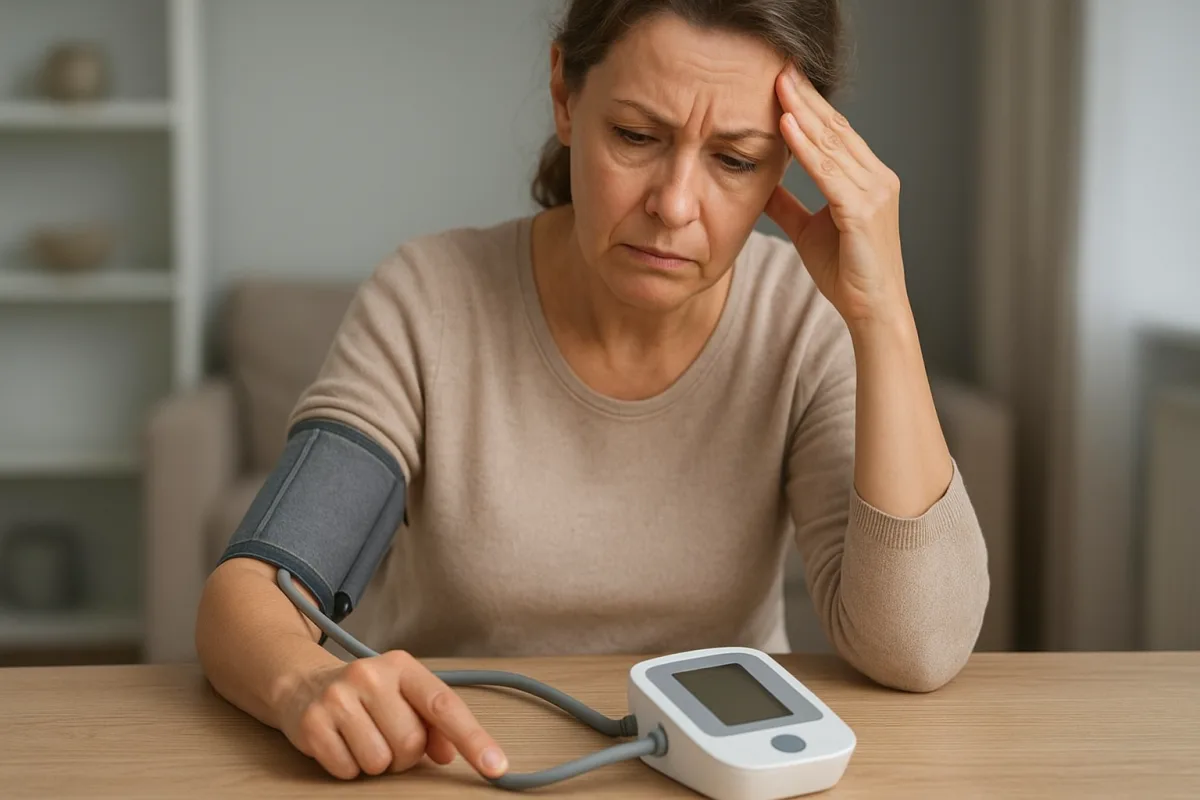
Why is home blood pressure measurement so easily affected?
Home blood pressure monitoring can be useful for tracking day-to-day changes in blood pressure, but even small mistakes in technique can significantly alter the result. Blood pressure is created by the heart pumping blood into the vessels and the vessel walls responding to that force. For that reason, the body’s condition at that moment, breathing, stress level, muscle tension and the blood pressure monitor being used all directly affect how reliable the reading is.
Although home may seem relaxing for most people, comfort does not always mean correct technique. Measuring right after climbing stairs, rushing, or talking anxiously can fail to reflect a rested body. The goal is not a single instant reading, but the most accurate and comparable measurements possible.
Why can blood pressure change from one moment to the next?
Blood pressure does not stay constant throughout the day; movement, emotional tension, pain, caffeinated drinks, nicotine and even a full bladder can affect the number. That is why, when blood pressure measurement is taken, it is not enough for the device to work properly — how the person prepares matters too. It is therefore no surprise that the same person may get different readings under different conditions.
Common mistakes made before measuring
Measuring without resting first
One of the most common mistakes is taking a reading as soon as you get home or in the middle of doing something else. Heart rate and vascular tone can remain affected for a while after activity. Taking a short rest before measuring helps the reading reflect a calmer state rather than the day’s rush.
Ignoring coffee, cigarettes and similar factors
Caffeinated products such as coffee, tea and energy drinks, as well as cigarettes, are among the factors that can affect blood pressure before measurement. Likewise, intense exercise, taking a reading after a hot shower, or being in a moment of strong stress can also change the result. For that reason, measurements taken at a more balanced physical and mental moment provide more consistent information.
- Taking a reading immediately after running, climbing stairs or exercising
- Using the device right after coffee, cigarettes or other stimulants
- Interpreting a reading taken during intense stress, anger or anxiety as a daily average
Talking and losing focus
Talking, laughing, looking at a phone or moving the arm during measurement are also common mistakes. Muscle activity and changes in breathing can affect the pressure detected by the device. The best approach is to remain silent during the reading and keep the body as relaxed as possible.
What should posture and device use look like during measurement?
Sitting position and arm placement
Leaving the back unsupported, crossing the legs or holding the arm up in the air are common technical errors. A balanced sitting position, back support and resting the arm on a comfortable surface help produce more reliable results. If the arm is too low or too high relative to the body, the reading may also be affected; keeping the arm relaxed and naturally aligned is important.
Cuff size and placement
Using a cuff that does not fit the arm is one of the most overlooked problems in home monitoring. A cuff that is too tight, too loose or the wrong width for the arm can produce misleading results even if the device is functioning correctly. The cuff should be wrapped properly around the bare arm and not used over clothing.
Using the device carelessly
Not every blood pressure monitor gives accurate results with the same usage habits. Ignoring the user manual, using the device with a weak battery or constantly changing body position during measurement can all affect the outcome. This is especially true for wrist monitors, where wrist position becomes even more critical; following the manufacturer’s recommended method is essential.
- Wrapping the cuff over clothing
- Holding the arm up without support
- Talking, moving or leaning toward the screen during the reading
- Continuing to use a cuff that is the wrong size without noticing
Mistakes people make when interpreting results
Assuming one high reading is the final word
A single high reading at home does not, by itself, mean a diagnosis. Stress, pain, lack of sleep, caffeine intake or incorrect technique at that moment may have affected the result. For that reason, rather than making decisions based on one number, it is more accurate to repeat measurements under similar conditions and assess the overall pattern.
Only recording the good readings
Some people record only the readings they consider normal and delete the ones that look different, saying they were “done wrong.” In fact, what is most valuable for a doctor is seeing under what conditions the readings were taken and how they changed over time. Regular and honest records make it easier to distinguish daily fluctuations, links with symptoms and problems related to measurement technique.
Ignoring symptoms completely
Blood pressure does not always cause symptoms; for that reason, a person can also measure it when they feel well. However, if symptoms such as dizziness, severe headache, chest discomfort, shortness of breath, marked weakness or changes in vision persist or worsen, it is better to seek a medical evaluation rather than rely only on home readings. The reading and the clinical symptoms should be considered together.
Why does keeping regular records help the doctor?
It creates comparable data
The habit of taking blood pressure correctly is more valuable than a single number, because regular records reveal a pattern. Measurements taken around the same time of day, under similar rest conditions and with the same device provide a more meaningful picture for the doctor. This makes it easier to understand whether fluctuations are due to technical mistakes, daily life factors or a condition that needs evaluation.
What should be included in the log?
A blood pressure log does not need to be complicated. The main goal is to avoid forgetting the conditions under which the reading was taken. Especially when readings differ, it is useful to note whether there were any symptoms at the time and whether anything noteworthy happened before the measurement.
- The approximate time of the reading and where it falls in the day
- Whether the person rested before measuring
- Whether there was an influencing factor such as coffee, cigarettes, exercise or stress
- Whether symptoms such as dizziness, headache or palpitations were present
In the end, the aim of home measurement is not to use the device as often as possible, but to obtain readings under reliable conditions. When proper posture, the right cuff, a quiet environment and regular records are considered together, home readings become much more meaningful. If you see repeated differences in your readings or your symptoms continue, sharing your records during a medical check-up is the right step.





Comments (0)
No comments yet. Be the first to comment.
Write a Comment