
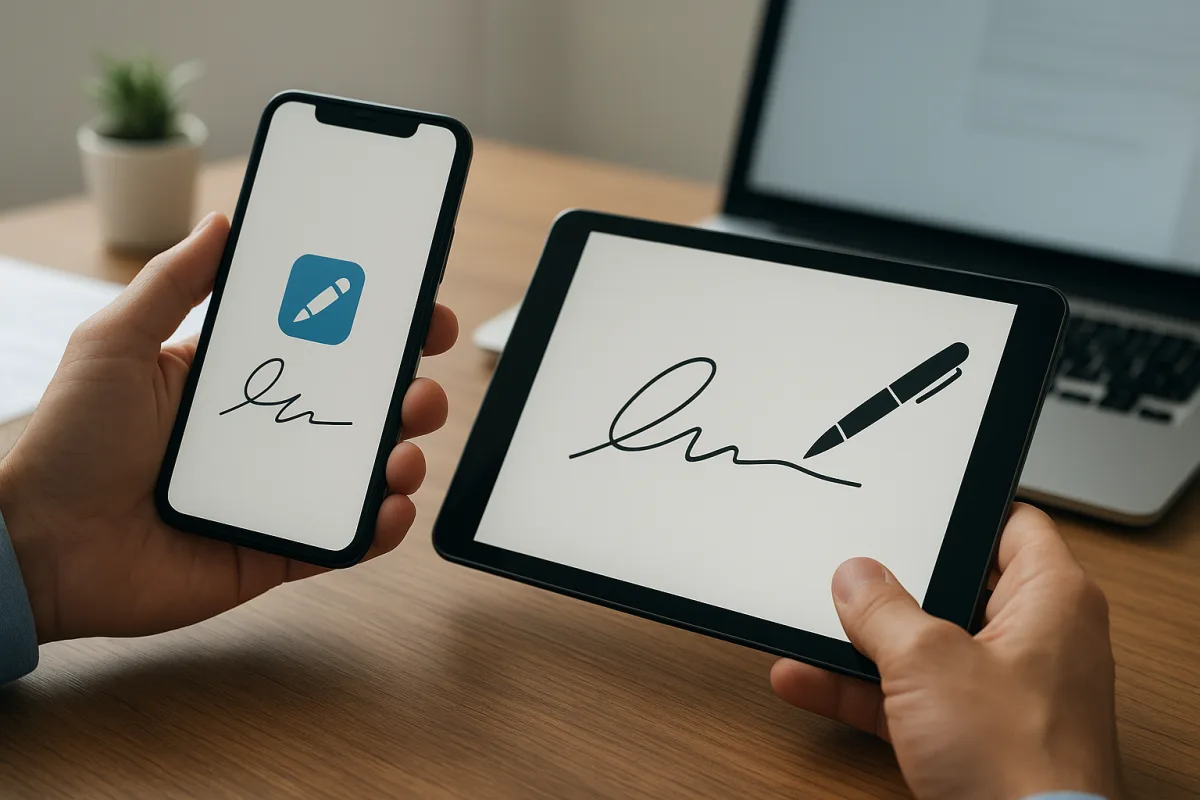
How do e-signatures and mobile signatures work?
e-signature and mobile signature are two methods used for identity verification and document approval in digital environments. Both aim to improve security in electronic transactions, but they differ clearly in how they work, what devices they use and the user experience they offer.
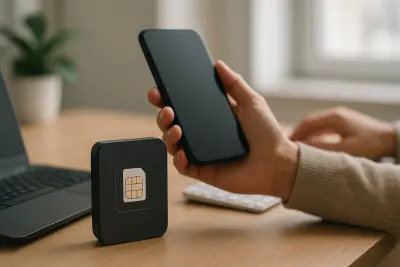
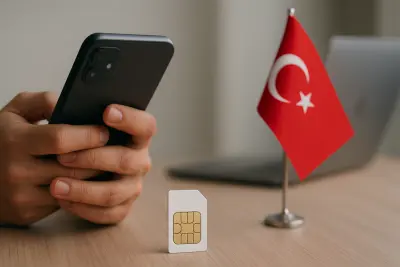
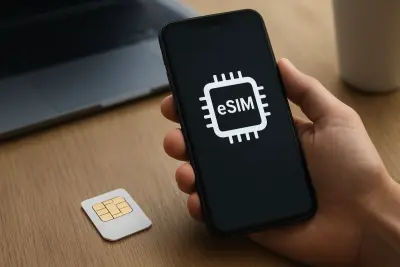
In general use, an e-signature works through a secure device such as a token, card or similar hardware connected to a computer, along with the relevant software. A mobile signature, by contrast, usually verifies the user through a mobile phone line and the mobile operator’s infrastructure, which can reduce the need for desktop hardware.
- e-signature: Usually computer-based and may require additional driver or software installation.
- Mobile signature: May offer a more practical experience for approval via smartphone or mobile line.
- Digital signature infrastructure in both methods is intended to protect document integrity.
- Identity verification steps may vary depending on the service provider and use case.
What about legal validity and areas of use?
Under Türkiye’s legal framework on electronic signatures, solutions offered through authorized service providers may have legal effect under certain conditions. That is why, when choosing between them, users should consider not only convenience but also whether the service complies with the rules and whether institutions accept it.
Which transactions stand out?
Electronic document management, remote approval processes and corporate workflows are among the most common areas where these two methods are mentioned. In practice, which method is accepted can vary depending on the institution’s technical infrastructure and security policies.
- Public or private sector applications
- Contract and approval processes
- Internal company document circulation
- Remote access and user verification processes
What should you consider during the application process and when choosing?
The difference in application process usually comes from the technical setup. With an e-signature, users may be asked to complete steps such as receiving a physical device, installation and activation. With a mobile signature, the mobile line, operator and remote approval process may be more important. For the latest conditions, official announcements and service providers’ guidance should be followed.
Which option may be more suitable for whom?
For users who sign large volumes of documents on a computer, e-signature may offer a more familiar workflow. For field teams, people who work on the move or those who prefer to handle transactions from a phone, mobile signature may be more practical. In the final decision, institution compatibility, device habits, transaction frequency and support services should all be weighed together.
Comments (0)
No comments yet. Be the first to comment.
Write a Comment
Yorum yazmak için giriş yapın. Üyelik ücretsiz; yorumunuz editör onayından sonra yayımlanır.