
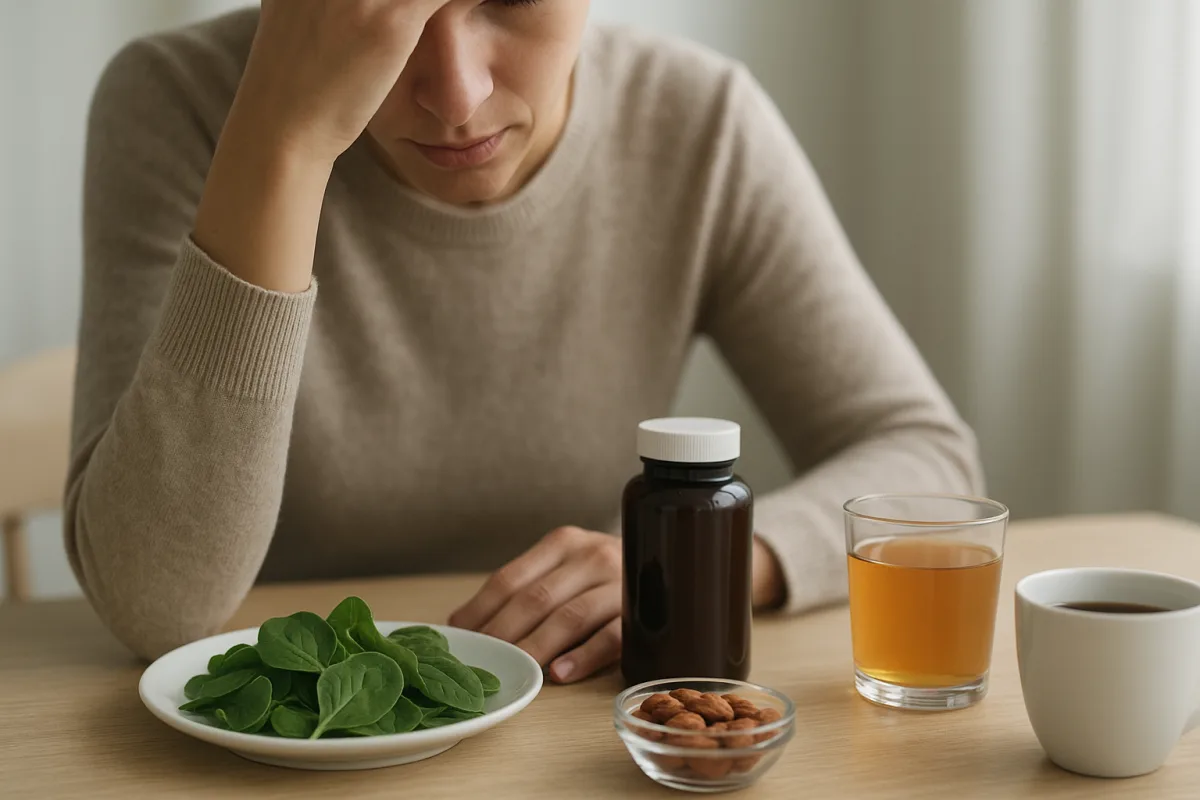
Why is iron deficiency important?
Iron deficiency is a common condition that can affect the body’s ability to transport oxygen and produce energy. Iron plays a key role in making hemoglobin, the protein in red blood cells that carries oxygen. When the body does not have enough iron, less oxygen reaches the tissues, which can lead to noticeable symptoms in daily life.
Iron is not only a mineral circulating in the blood; it is also stored in various tissues, especially the liver. Ferritin is a commonly discussed marker for understanding these stores. Ferritin levels give an idea of the body’s iron reserves, but because interpretation can vary from person to person, a doctor’s assessment is important.
What does iron do in the body?
One of iron’s main jobs is helping transport oxygen taken in by the lungs to the tissues. The body also needs iron for muscle function, mental performance and the normal work of the immune system. For this reason, when a deficiency develops, more than one system may be affected rather than just a single symptom appearing.
Why does a deficiency cause symptoms?
The body first tries to maintain balance by using iron stores for a while. As the stores run low, performance may begin to drop and then more obvious symptoms appear. This pattern is sometimes described by people as anemia symptoms, but blood tests are needed to confirm whether it is truly due to iron deficiency.
What are the symptoms of iron deficiency?
Symptoms can develop slowly and may be confused with other causes. As a result, a person may simply think they are tired for a long time. Medical evaluation is needed if the complaints continue, become more noticeable or affect daily life.
- Persistent fatigue and getting tired easily
- Pale skin
- Shortness of breath, especially with exertion
- Dizziness or a feeling of lightheadedness
- Palpitations
- Difficulty concentrating
- A tendency to feel cold
Signs seen in hair, nails and skin
Reduced iron stores may show up in some people as increased hair loss, weaker hair or brittle nails. Thinning of the nail surface, easy splitting or changes in nail shape may also be seen. These findings alone do not make a diagnosis, but when they occur together with other symptoms, they may warrant further evaluation.
Tenderness at the corners of the mouth, discomfort inside the mouth or a dull appearance of the skin may also occur. Still, it should be remembered that these signs can have different causes. Especially when changes last a long time, it is better to clarify the picture with blood tests rather than draw conclusions on your own.
Complaints that affect daily life
Difficulty climbing stairs, becoming short of breath even after a short walk, or a drop in work and school performance may be among the more noticeable effects of iron deficiency. In some people, headaches, trouble focusing and a lack of motivation may stand out. Because these symptoms can also appear in other health conditions, they are not decisive on their own.
Even if the symptoms are mild, it is helpful to see a doctor if they continue, especially if paleness and shortness of breath are also present. During the evaluation, eating habits, any accompanying illnesses and additional tests if needed are considered together.
What improves iron absorption?
Iron absorption depends not only on what you eat, but also on how meals are planned. Pairing iron-rich foods correctly may help the body use this mineral more effectively. Meal timing and the drinks consumed with food can be particularly important.
Which foods are rich in iron?
Iron is found in different food groups. Iron from animal sources is generally absorbed more easily, while plant-based sources can still make an important contribution as part of a balanced diet.
- Red meat and similar animal sources
- Legumes
- Dark leafy green vegetables
- Foods commonly eaten in daily meals, such as eggs
- Nuts and seeds
It is not correct to dismiss plant-based sources as inadequate. In particular, legumes and dark leafy greens can make a meaningful contribution when consumed regularly. The important point is to plan these foods together with ingredients that support absorption.
How does vitamin C support absorption?
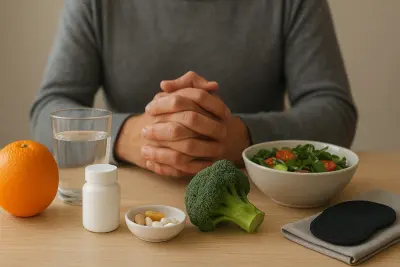
Vitamin C can help increase the absorption of iron, especially from plant-based sources. For this reason, including fresh fruits and vegetables in meals is a practical approach. For example, salad, peppers, citrus fruits or lemon served with a meal may help the body make better use of the iron it contains.
The aim here is not to treat a single food as a miracle cure. The real benefit comes from regularly eating the main iron-containing meal together with sources of vitamin C. A varied plate is often more favorable for absorption.
Why are tea and coffee not recommended with meals?
Certain compounds in tea and coffee can make it harder for iron to be absorbed in the intestine. This effect may be especially noticeable when these drinks are consumed with or right after meals. For that reason, drinking tea and coffee at separate times from meals is a simple adjustment that can be applied in everyday life.
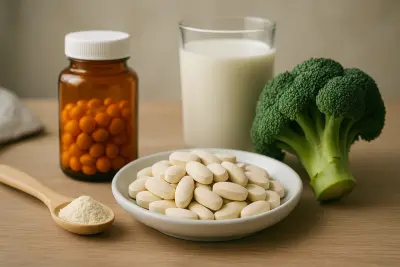
Some foods, such as milk and dairy products, may also affect absorption depending on the meal. However, rather than setting strict rules, it is better to review a person’s eating pattern with a doctor or dietitian. Needs can vary depending on age, other illnesses and overall nutritional status.
How is it diagnosed, and why is ferritin important?
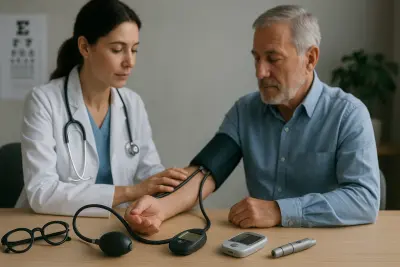
Iron deficiency is not diagnosed based on symptoms alone; a blood test is needed. A complete blood count and tests that show iron stores may be requested during the evaluation. Among these, ferritin is one of the measurements commonly used to help understand the picture.
What does ferritin show?
Ferritin is an important marker that reflects how much iron the body stores. A low level may indicate depleted stores, but the meaning of the result is assessed together with other tests. For this reason, it is not right to interpret a single lab value on its own.
In some people, symptoms may be clear even though the laboratory findings need to be considered together. By reviewing the duration of symptoms, eating habits and, if necessary, additional tests, the doctor looks into whether iron deficiency is the cause.
When should you see a doctor?
- If fatigue and paleness last for a long time
- If shortness of breath makes daily tasks difficult
- If hair loss and brittle nails become more noticeable
- If palpitations, dizziness or reduced performance occur
Starting supplements on your own or relying only on information found online may not be appropriate. Similar symptoms can also occur in different health problems. The safest approach is to see a doctor and confirm the situation with blood tests if symptoms persist or worsen.
Common misconceptions and what to pay attention to in daily life
Not every case of fatigue means iron deficiency
Fatigue is a very common complaint and can occur for many reasons, including lack of sleep, stress, thyroid disease or different nutritional problems. For that reason, iron deficiency cannot be assumed based on tiredness alone. The right approach is to assess the symptoms as a whole and get tested if needed.
One food cannot solve the problem
Eating only red meat or focusing only on leafy greens is often not enough. Balanced nutrition, absorption-friendly pairings and proper medical evaluation are all important together. Eating iron-rich foods in the same meal as vitamin C sources, separating tea and coffee from meals and seeking medical advice if symptoms continue are among the basic steps that can be applied in daily life.
"""


Comments (0)
No comments yet. Be the first to comment.
Write a Comment