
Political rhetoric hardens after tariffs
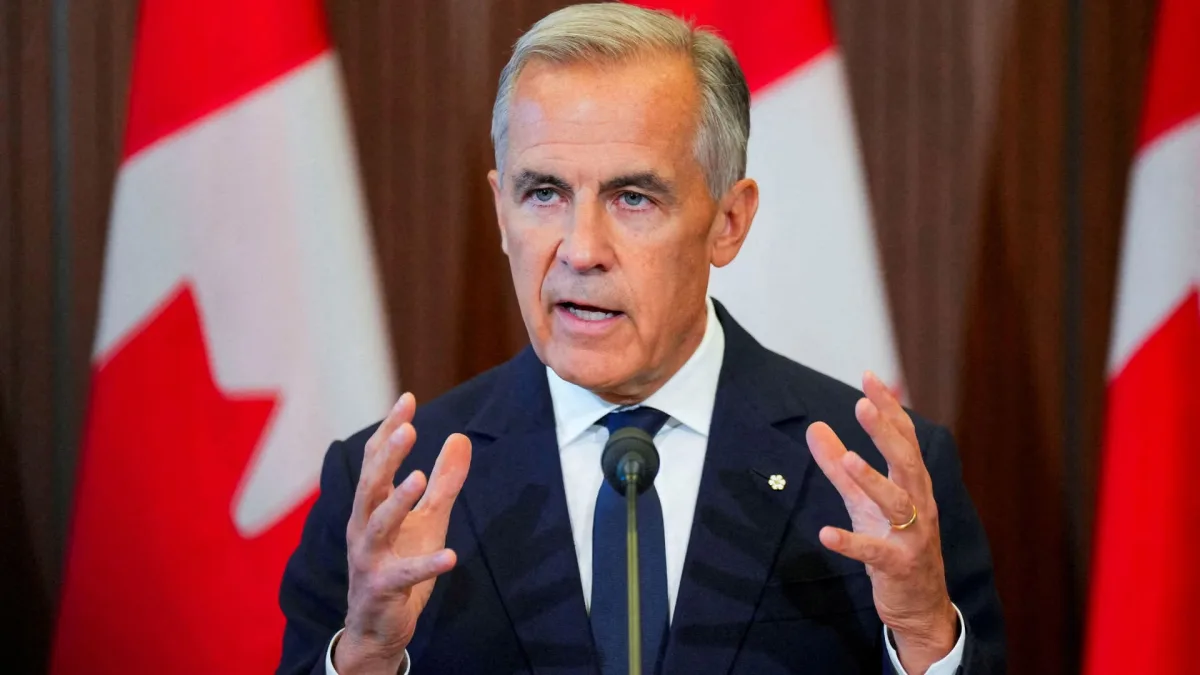
The US-Canada trade war has turned into a new diplomatic flashpoint as the two sides trade increasingly sharp public statements. Canadian Prime Minister Mark Carney, speaking in Ottawa, said the Trump administration should stop posting mocking messages on social media and focus instead on a trade agreement that would benefit both countries while respecting Canada’s sovereignty.
Carney’s remarks came after U.S. officials made dismissive comments about the Canadian military and President Donald Trump issued a decision that would refer to Lake Ontario as “Lake America” in federal use. The Canadian prime minister stressed that protecting Quebec’s culture and the French language are among Ottawa’s negotiating priorities.
Washington messages draw backlash
Carney said trade talks could resume if the U.S. side returned to serious negotiation, adding, “we can have those discussions when they get serious.” He said insulting comments about the Canadian military were beneath the offices that made them.
Those remarks followed an interview given the day before by US Treasury Secretary Scott Bessent to CNBC. Bessent downplayed the trade dispute with Canada, while a post on X by US Defense Secretary Pete Hegseth also triggered fresh backlash in Canada. As a result, the tariff dispute has spilled into a public war of words.
Tariff timing and figures take center stage
The key economic rupture came at the end of August, when trade talks between the two countries collapsed. On August 22, the U.S. began applying a 50% tariff to some Canadian imports worth $20 billion.
- Washington’s tariffs quickly raised import costs on certain Canadian products.
- Ottawa responded by preparing new duties on more than 700 U.S. product categories.
The Canadian government described the move as a “dollar-for-dollar” response. Under the announced plan, retaliatory tariffs of between 15% and 50% on more than 700 U.S. goods will take effect on September 8.
Markets are watching the uncertainty and cost pressure
The reciprocal tariff increases are adding to cost and pricing pressure for companies that trade across the border. In sectors that rely on imported inputs, the new duties could make supply-chain planning and margin calculations more fragile.
The sharper diplomatic tone is weakening expectations for a quick return to negotiations while keeping uncertainty alive on the trade front. Still, Carney’s suggestion that a mutually beneficial deal based on respect for sovereignty has not been ruled out entirely signals that the door has not been fully closed on the economic side.
"""





Comments (0)
No comments yet. Be the first to comment.
Write a Comment