
Proposal would bar federal candidates from trading
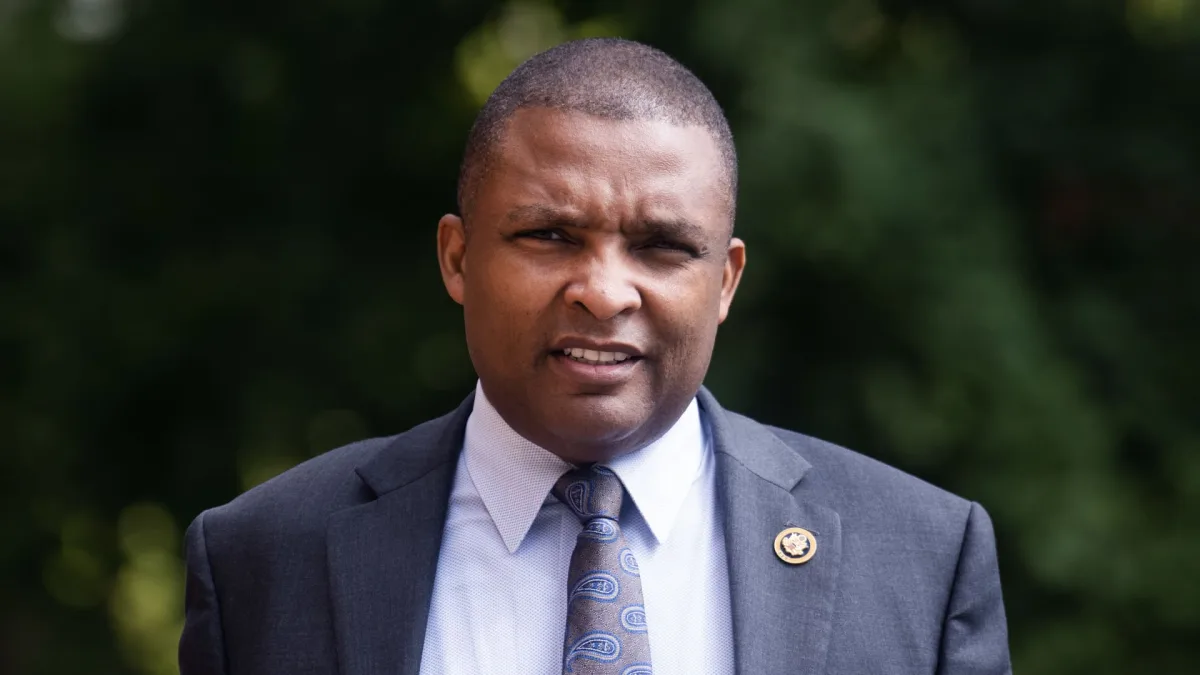
In the U.S., prediction market contracts have returned to the center of political and financial debate with less than a month to go before the midterm elections. North Carolina Democratic Rep. Don Davis has introduced a bill that would ban candidates running for federal office from trading in event contracts tied to their own elections. The main concern is the risk of insider trading and conflicts of interest, since candidates may have access to advantages about their own races.
The proposal, called the “No Betting on Your Own Race Act,” would impose a fine of $10,000 or three times the net financial gain from the violation, whichever is higher. According to Davis’s office, the goal is to turn into federal law a restriction that some platforms already enforce through their own rules. The bill was brought up during a pro forma session of the House of Representatives.
Kalshi penalty puts candidate trading under scrutiny
The timing of the proposal was shaped in part by a case involving Davis’s Republican opponent in North Carolina’s 1st District, Laurie Buckhout. According to the source, Buckhout reached a settlement in August with Kalshi, paid a penalty of about $2,600 after being found to have traded contracts tied to her own election, and was barred from the platform for three years.
The development has revived debate over whether platform rules are strong enough in political prediction markets. These markets set prices through contracts tied to events such as election outcomes, while candidate participation is seen as a sensitive issue for market integrity.
- The bill targets only contracts tied to a candidate’s own race.
- The minimum penalty is set at $10,000, or alternatively three times the net gain.
- The aim is to reinforce existing platform restrictions with federal law.
Short-term impact appears limited because of the election calendar
Because the House of Representatives and the Senate will reconvene after the midterm elections, the measure is unlikely to take effect during the current election cycle. That means no immediate change is expected in pricing or trading rules, although the proposal signals tighter regulation for political contracts in the medium term.
Meanwhile, the Senate approved a resolution in April banning senators and staff from trading on prediction markets. But that step did not cover Senate candidates who are not currently in office. Similar bans have been introduced in the House, but no parallel measure has been passed yet.


Comments (0)
No comments yet. Be the first to comment.
Write a Comment
Yorum yazmak için giriş yapın. Üyelik ücretsiz; yorumunuz editör onayından sonra yayımlanır.