
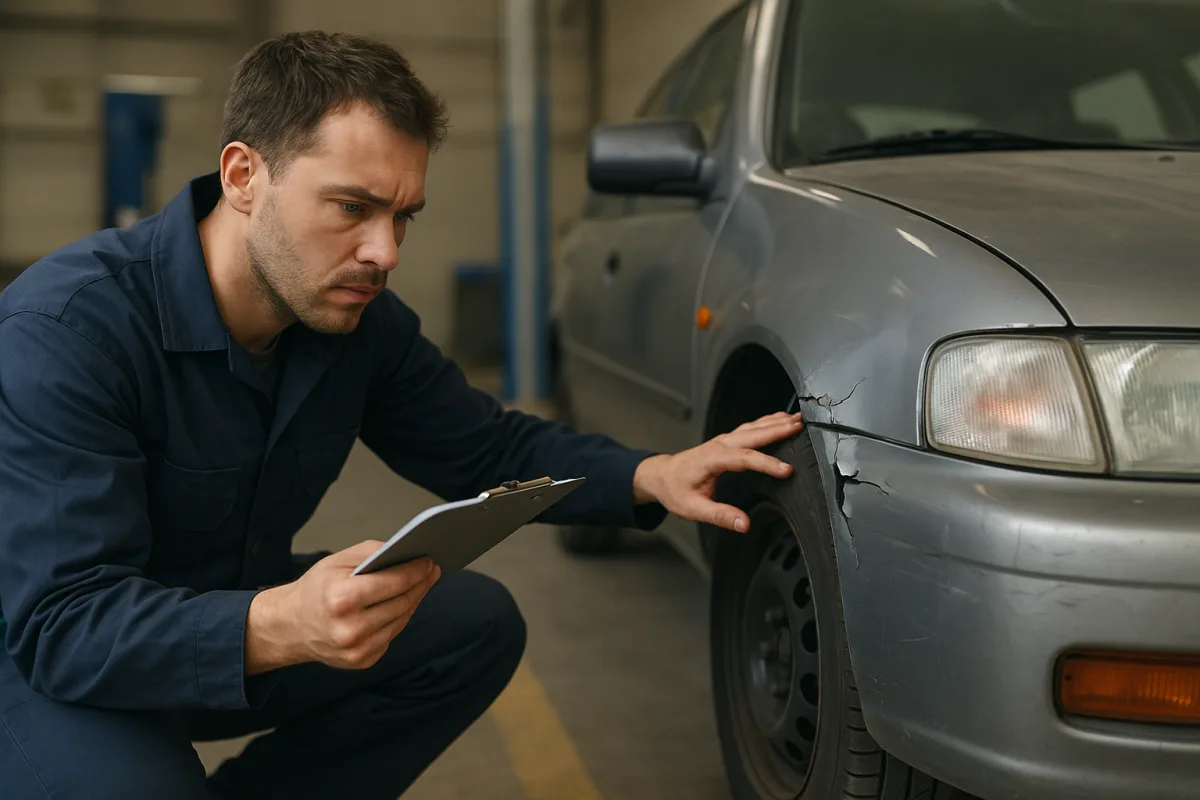
What does a major defect mean in a vehicle inspection?
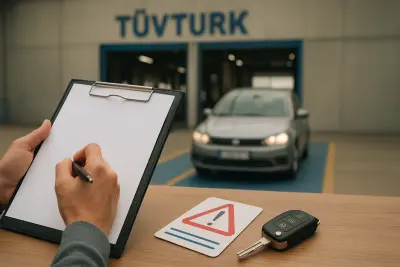
Vehicle inspection is the process of checking for technical issues that could affect safety on the road. If an item is classified as a “major defect” during the inspection, the vehicle cannot be approved; the driver must fix the fault and enter the reinspection process. The assessment is made according to current regulations and TÜVTÜRK (Turkey’s vehicle inspection operator) practices.
A major defect is generally used for conditions that directly affect safe driving, road holding, braking performance, the field of vision, or the vehicle’s impact on the environment. For that reason, some seemingly minor issues can still lead to a failed inspection if they are considered critical for safety.
Which faults may count as major defects?
Issues that directly affect safety
While the final decision can vary depending on the vehicle class, equipment and applicable rules, the following are often treated as major defects:
- Faults related to the brake system, uneven braking, or problems that reduce braking safety
- Play, breakage, wear or damage affecting safety in the steering, axle, suspension or running gear
- Lighting equipment such as headlights, brake lights and indicators not working or performing at a serious deficiency level
- Severe tire wear, visible damage or other irregularities that compromise safety
- Cracked glass, faulty wipers or serious mirror defects that obstruct the driver’s view
- Loss of function in protective equipment such as seat belts and seat mountings
- Problems with the fuel system, exhaust line or sealing that create a risk
These points are examples. For the most up-to-date and binding assessment, it is useful to check the official criteria list before inspection and to verify the equipment related to vehicle safety.
How does the reinspection process work after a failed inspection?
What drivers should pay attention to
If a vehicle fails the inspection, the first step is to have the defects listed in the report repaired by a qualified service center or mechanic. A new application is then made for a follow-up check; the procedure and scope applied are determined by the rules in force at that time. Details such as the deadline, fees and the scope of the recheck can change over time, so official announcements should be followed.
- Review the defects listed in the inspection report one by one.
- After repairs, check key components such as lighting, brakes, tires and wipers again.
- Confirm the current rules for appointments and documentation.
In short, a major defect decision is not just a formality; it is an important warning for safe use. Carrying out basic checks before going for inspection helps reduce lost time and contributes to a safer vehicle on the road.
"""




Comments (0)
No comments yet. Be the first to comment.
Write a Comment
Yorum yazmak için giriş yapın. Üyelik ücretsiz; yorumunuz editör onayından sonra yayımlanır.