
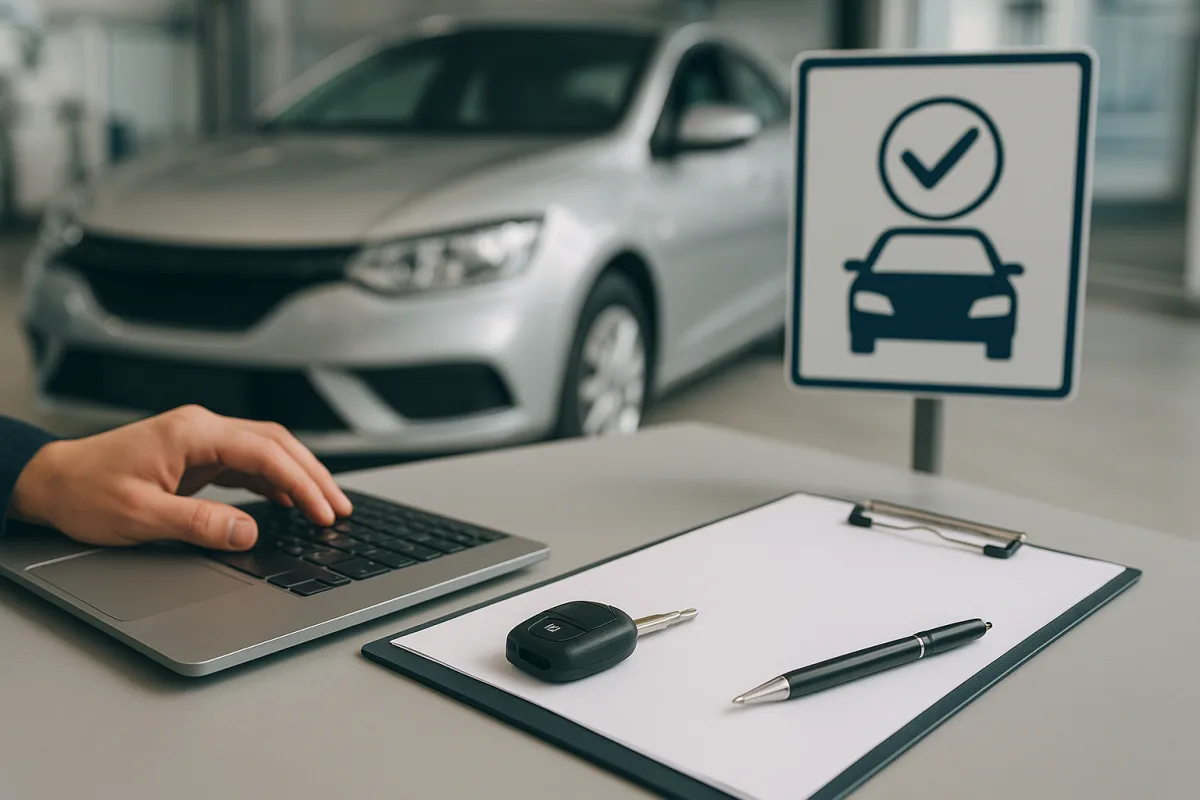
Basic steps for booking a vehicle inspection appointment
In Turkey, a vehicle inspection appointment is seen as one of the first and most important stages of the inspection process. The procedure is usually completed through official application channels by entering the vehicle’s details and selecting a suitable station. Arriving prepared on inspection day can help reduce both time loss and repeat visits caused by missing items.
What information is needed when booking?
For TÜVTÜRK inspections, the information requested by the system may vary depending on the vehicle type and application method, but the basic details are usually similar. Having the licence plate, registration information and the applicant’s contact details ready in advance makes the process faster.
- Vehicle licence plate and registration details
- Basic vehicle information shown on the registration document
- Contact information such as phone number or email address
- Preferred station, date and time
Why is pre-inspection preparation important?
Booking an appointment is not enough on its own; it is also important to check visible defects on the vehicle beforehand. Making sure basic safety items such as lighting, brakes, tyres, windows, wipers and seat belts are working properly can increase the chance of passing the inspection.
What is a major fault, and what situations may fall into this category?
A major fault is a term used to describe serious non-compliance affecting a vehicle’s road safety or the environment. If such a fault is identified, the vehicle cannot complete the inspection successfully until the problem is fixed. The final assessment is made according to the inspection technician’s examination during the test.
Common examples of major faults
Major fault categories can vary depending on the vehicle class, its intended use and the nature of the issue found. However, the examples below point to the areas that receive the most attention in general.
- Clear faults in the braking system that affect safety
- Problems in the steering, axle or suspension connections that create risk
- Severe wear, damage or non-compliance in tyres
- Significant defects in lighting equipment such as headlights, brake lights and indicators
- Seat belts that do not work or cannot be secured
- Windshield damage affecting visibility or structural problems affecting the vehicle’s integrity
A short checklist for inspection day
Having regular maintenance done before the inspection and completing basic checks can help the process go more smoothly. Especially during busy periods, arriving at the station before your appointment time and keeping your documents ready provides a practical advantage.
What should you check before going?
- Check that all lights on the vehicle are working.
- Look at the overall condition of the tyres and whether there is any visible damage.
- Test equipment such as the wipers, windows, horn and seat belts.
- Prepare the registration document and any other basic documents that may be requested.
Because inspection criteria can be updated through periodic regulations, the most accurate information will always come from the official channel used for the application. For that reason, vehicle owners should review the current requirements before booking to reduce the risk of last-minute surprises.
"""



Comments (0)
No comments yet. Be the first to comment.
Write a Comment
Yorum yazmak için giriş yapın. Üyelik ücretsiz; yorumunuz editör onayından sonra yayımlanır.