
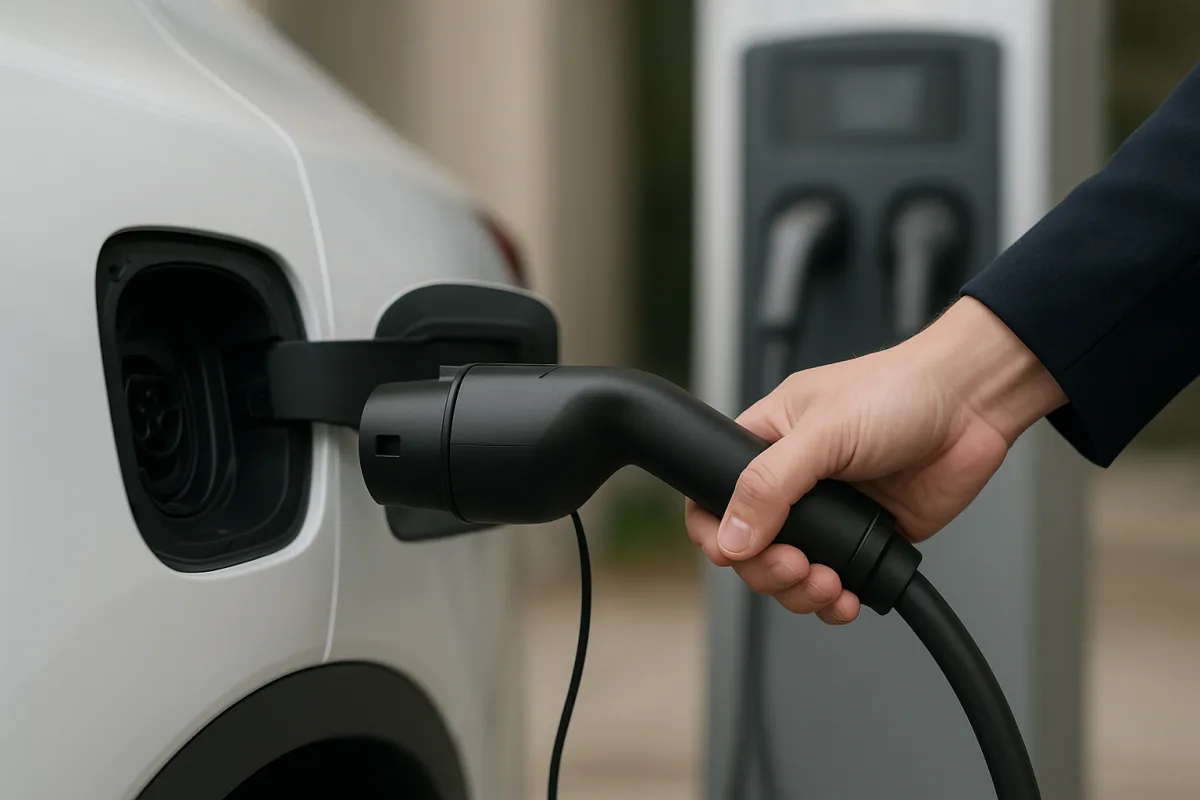
Why is choosing a charging station about more than location?
Choosing a charging station is not just about finding the nearest point for electric vehicle users. The station’s plug types, charging power and the system supported by the vehicle all need to be assessed together. A mismatched plug or a power level the car cannot accept may prevent charging at the expected speed.
That is why drivers should look at both the vehicle’s technical specifications and the intended use case when selecting a station. A charger at home, at work, at a shopping centre or along a highway should not be judged by the same criteria. Speed matters more during short stops, while different choices may make more sense for longer parking periods.
What does the AC DC charging difference change in daily use?
The AC DC charging difference plays a decisive role in charging time and usage habits. AC charging is generally preferred where the vehicle will remain parked for longer periods, while DC charging is used more often when drivers want to add energy quickly. However, the main determining factor is which system the vehicle supports and how much power it can accept.
When is AC charging the better option?
AC stations are a practical choice, especially in situations where the vehicle will stay parked for a long time. Home and workplace charging are examples of this. The vehicle’s onboard charger is one of the key factors affecting the actual speed that can be achieved at this stage.
- Suitable for scheduled charging overnight or during working hours.
- Helps top up the battery gradually during regular daily use.
When does DC charging stand out?
DC stations may be more attractive for drivers who want to save time while travelling. Even so, not every vehicle supports the same DC output; therefore, a station’s high capacity does not always mean the same charging speed will be achieved. Another point users should keep in mind is that charging speed can slow as the battery level rises.
How do plug types affect the choice?
Electric vehicle charging requires plug compatibility as a basic condition. Since different standards may exist on the market, drivers need to know in advance which connector type their vehicle supports. Some cars support certain AC connections, while fast charging may require a separate DC connector standard.
What should be checked before going to a station?
- The plug standard and connector type supported by the vehicle
- Whether the station offers AC or DC charging
- The maximum charging power the vehicle can accept
- The planned stop duration and the needs of the trip
In short, the right charging station choice starts with plug compatibility and is completed by power and usage scenario. When this balance is achieved, time management becomes easier and drivers get a more efficient charging experience.
"""





Comments (0)
No comments yet. Be the first to comment.
Write a Comment
Yorum yazmak için giriş yapın. Üyelik ücretsiz; yorumunuz editör onayından sonra yayımlanır.