
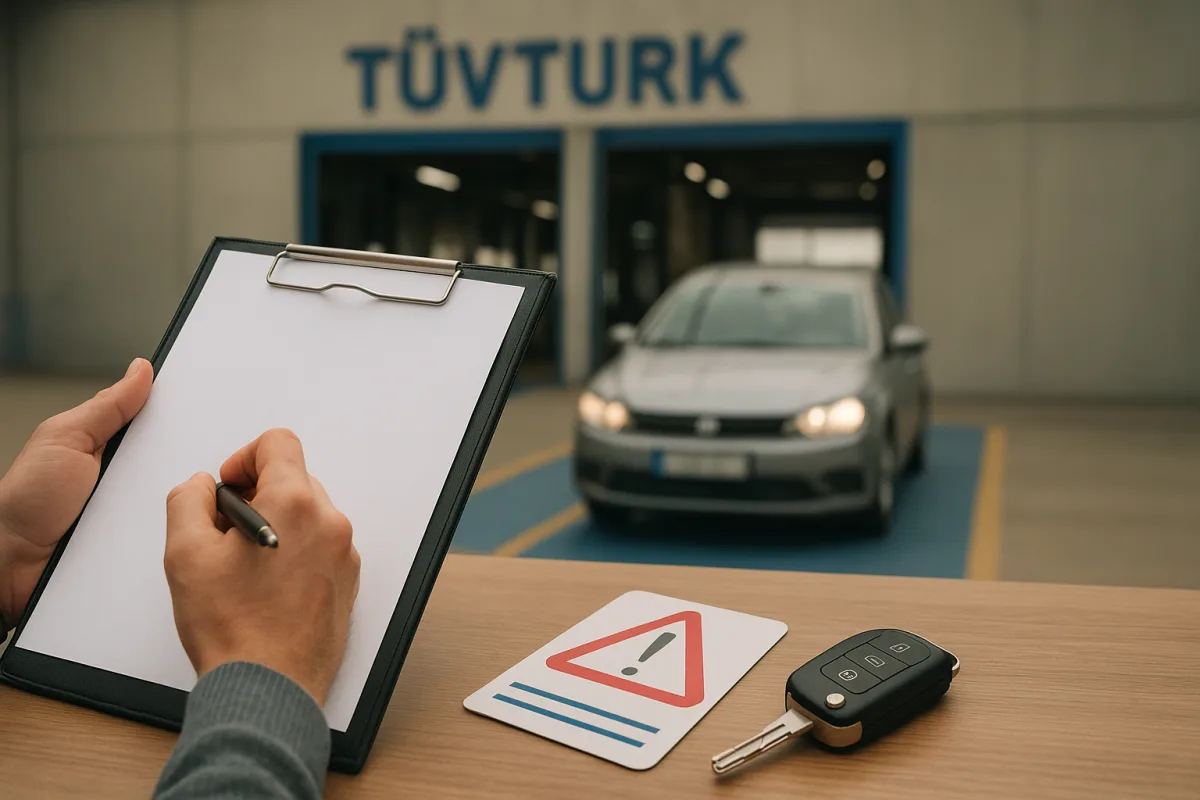
First steps for booking a vehicle inspection
Before booking a vehicle inspection appointment, having the car’s plate and registration details ready makes the process easier. In Türkiye, the periodic inspection process is mostly scheduled through the TÜVTÜRK system; however, it is important to check official channels for the latest procedures, document list and station information.
During the booking process, the user typically selects a suitable station, date and time. Entering the vehicle owner’s contact details correctly before the appointment helps ensure that any notifications can be tracked. Especially during busy periods, planning early may reduce the risk of waiting.
Useful information to prepare before booking
- Plate and registration details of the vehicle
- Identity details of the vehicle owner or the person handling the process
- Contact information to be used on the inspection day
Inspection documents and what is checked on the vehicle
Inspection documents may vary depending on the type and use of the vehicle, but the registration certificate and identity details are usually among the basic documents. Some vehicles may also require proof of mandatory insurance or additional documents depending on their purpose of use. For that reason, it is important to verify the updated document list before the inspection day.
Basic inspection areas to check in advance
- Headlights, brake lights, turn signals and similar lighting equipment
- Tires, windows, windshield wipers and anything affecting visibility
- Brakes, steering, seat belts and plate legibility
Even seemingly minor deficiencies can cause problems during the inspection. That is why vehicle owners can save time by checking basic safety equipment and visible technical faults before going to the station.
What is the difference between a major fault and a minor fault?
A minor fault generally refers to deficiencies that are recorded but do not directly compromise safety in most cases. In practice, some relatively small issues on the vehicle may be assessed in this category; even so, these deficiencies are recommended to be fixed as soon as possible.
A major fault, on the other hand, points to more serious problems in terms of road safety, environmental conditions or the vehicle’s core technical condition. Faults affecting the brake system, steering structure, lighting, tire condition or visibility safety may fall into this group. The final assessment is made according to the inspector’s findings and the applicable regulations.
Which faults are acceptable?
The short answer to the commonly asked question which faults are acceptable is that minor faults are generally recorded. If a major fault is found, the process is not expected to end positively unless the vehicle’s deficiencies are fixed. For this reason, pre-inspection preparation should not be limited to gathering documents; the vehicle’s safety equipment should also be checked carefully.
"""




Comments (0)
No comments yet. Be the first to comment.
Write a Comment