
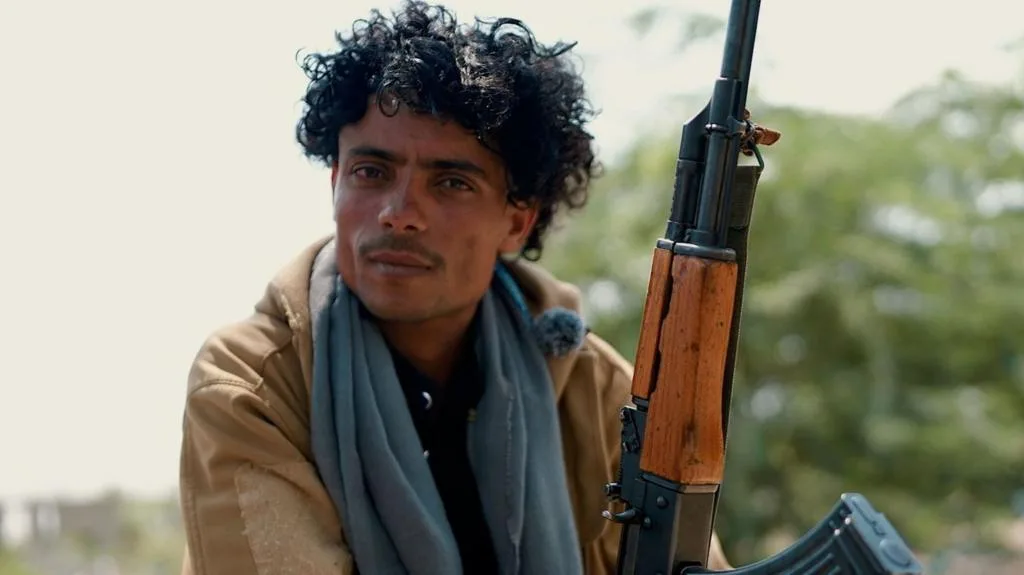
The front around Taiz heats up again
Fighting along the mountainous front around Taiz has sharply intensified in recent days. Backed by Saudi Arabia, government forces are trying to stop the Houthis’ advance, with particularly fierce battles over the high ground on the city’s western approaches. Drone strikes, mortar fire and exchange of fire are making life even more fragile in settlements near the front line.
Taiz, considered Yemen’s third-largest city with a population of about 1 million, sits at a critical crossroads between Houthi-held areas in the north and government-controlled territory in the south. Government forces hold the city center, while Houthi positions are located to the north and east. In recent weeks, the fiercest clashes have taken place in the western hills overlooking the road that leads south out of the city.
About 30 checkpoints along the route from Aden to Taiz underline how fragmented the government side’s military structure is. As the road approaches the city, ambulances passing in quick succession also show how the fighting is affecting the ground.
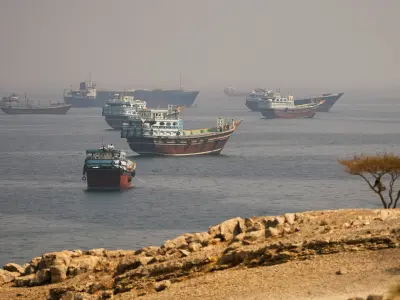
Why are Mokha and Bab el-Mandeb so important?
The Houthis seized Mokha port, about 85 kilometers west of Taiz, on September 10. The move came after the collapse of a ceasefire that had largely held for four years, and it shifted the balance of control in an area overlooking the Bab el-Mandeb Strait, which is vital for maritime trade between Europe and Asia. Concerns that shipments in the region could be disrupted again have added upward pressure on oil prices.
- Mokha is a strategic port on the Red Sea coast.
- Bab el-Mandeb Strait is considered a key transit corridor for shipping between Europe and Asia.
Civilians and hospitals are under heavy pressure
Many homes in rural areas close to the front have been left empty, and some families have sent their children to camps for the displaced. At the same time, some adults remain in place to protect their livestock and avoid losing their livelihoods. Shelling and gunfire have become part of daily life outside the city.
At Al-Thawra Hospital in Taiz, all intensive care beds are reportedly full. Among the injured are both fighters brought in from the front and civilians. One example of the conflict’s toll on civilians is a 12-year-old boy who was wounded in the head by mortar shrapnel while tending goats.
Displacement is rising as regional tensions continue
Families fleeing Mokha and surrounding villages continue to arrive at the Al-Monig camp, about 20 kilometers south of Taiz. Camp officials say 200 families have reached the area in the past 10 days. Those who escaped describe harsh conditions, including evacuations on foot, sniper threats and being trapped between fighting lines.
The UN Refugee Agency said on September 22 that more than 130,000 people were displaced across Yemen in just this month. The agency said the number of people forced to leave their homes during the civil war has reached 5.2 million, and warned that another 100,000 could be displaced over the next three months.
Reports from the ground indicate that the Houthis are massing forces for another major offensive. Government forces say they are preparing in response. While the Saudi-led coalition continues to back the Yemeni government, accusations persist that Iran is providing the Houthis with weapons, funding and military advice; Tehran has previously denied the claims and said its support is political.
"""


Comments (0)
No comments yet. Be the first to comment.
Write a Comment
Yorum yazmak için giriş yapın. Üyelik ücretsiz; yorumunuz editör onayından sonra yayımlanır.