
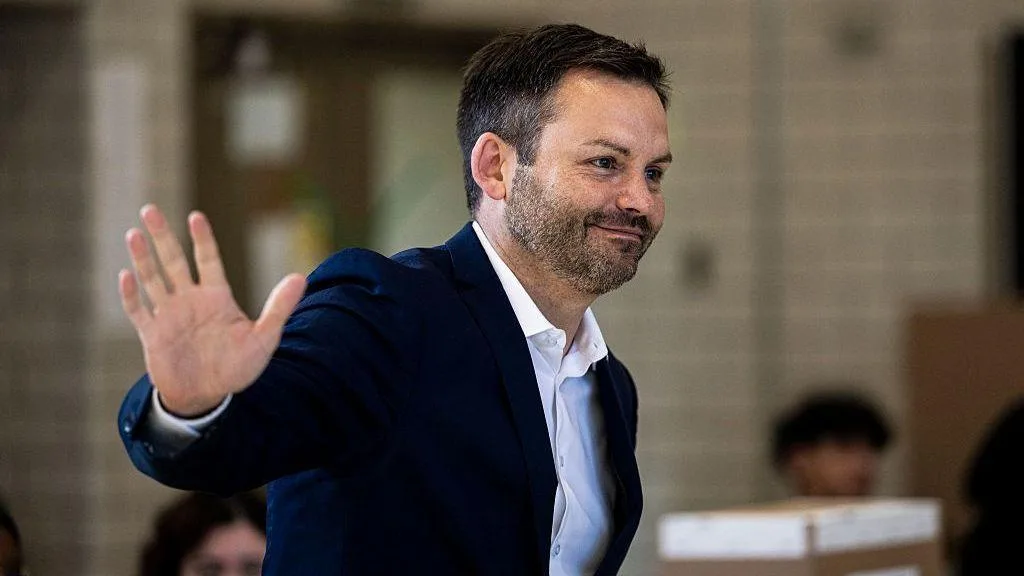
Projections point to a change of power in Quebec
Media projections released for the Quebec election showed the sovereigntist Parti Québécois (PQ) emerging from Monday’s vote with a minority victory. The party is now preparing to return to provincial power for the first time since 2014, with leader Paul St-Pierre Plamondon moving closer to becoming Quebec’s next premier.
The result is being seen as the start of a new era not only in Quebec politics but across Canada as well. A PQ return in the French-speaking province could open the door to fresh clashes between the federal government and provincial authorities, especially over immigration policy, the monarchy and jurisdictional powers.
Referendum and monarchy back on the agenda
During the campaign, the PQ promised to hold a new referendum on Quebec independence. Earlier votes in the province in 1980 and 1995 did not end in secession, and recent polling suggests support for such a move remains at around 30%.
Plamondon said he would put the referendum forward after U.S. President Donald Trump leaves office. If that timetable holds, Quebec’s third independence plebiscite would be expected in 2029 or 2030.
- The PQ said it would oppose any move by Ottawa to increase immigration numbers.
- The party argued that Quebec should end the institutional presence of the monarchy and redirect the funds to social services.
- That would also put the budget for the lieutenant governor, who represents King Charles III in the province, up for debate.
Any such plan is expected to face serious legal challenges because of the monarchy’s central place in the Canadian Constitution. Given the lieutenant governor’s role in granting royal assent to new laws, the proposal could also trigger a separate fight over the future of legislation passed in Quebec.
What the result means for Ottawa and Alberta
PQ’s rise is being linked in part to voter fatigue with the previous governing party, the Coalition Avenir Québec. François Legault, the longtime leader who made Quebec identity and the French language the center of his eight years in power, lost significant support over time, while his successor in office, Premier Christine Fréchette, failed to produce the expected rebound.
Fréchette conceded shortly before 10 p.m. local time that she had lost her own re-election race in Trois-Rivières and said she would work with St-Pierre Plamondon during the transition. In the election, the Quebec Liberal Party won the second-highest number of seats, while the Quebec Conservative Party also increased its presence in the National Assembly.
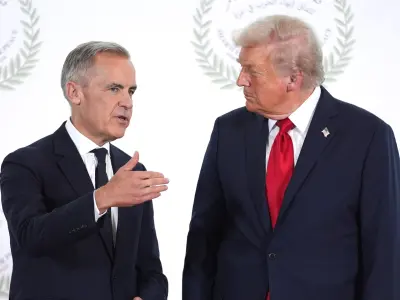
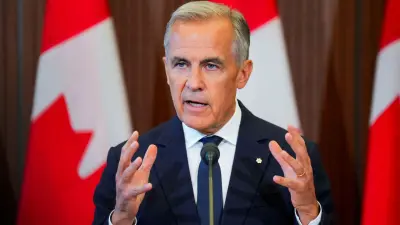
At the federal level, Prime Minister Mark Carney congratulated Plamondon and signaled a willingness to work together. But Carney may now face simultaneous unity debates in two different parts of the country, depending on the outcome of the separatist vote scheduled for later this month in Alberta.
To that picture, analysts are also adding the impact of new U.S. tariffs imposed on Canada in August. After trade talks broke down, the tariffs hit Quebec particularly hard, and Oxford Economics estimated the province’s losses could reach 2 billion Canadian dollars.
"""


Comments (0)
No comments yet. Be the first to comment.
Write a Comment
Yorum yazmak için giriş yapın. Üyelik ücretsiz; yorumunuz editör onayından sonra yayımlanır.