

Основные факторы, влияющие на кредитный рейтинг
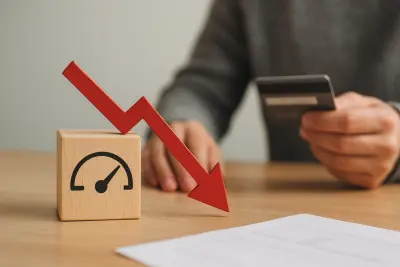
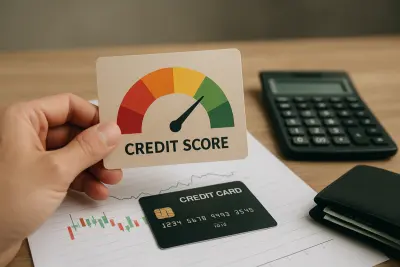
кредитный рейтинг показывает общую картину прошлых платежей человека и его текущего управления долгами. Банки и финансовые организации обычно учитывают этот показатель при рассмотрении заявок. Поэтому нерегулярные платежи, высокая долговая нагрузка и резкий рост числа заявок за короткий срок могут оказывать давление на рейтинг.
Самые частые причины снижения
Одна из наиболее заметных причин ухудшения рейтинга — сбой в погашении долгов. Просрочки по выписке по кредитной карте, платежам по потребительскому кредиту или счетам могут привести к тому, что финансовое поведение будет восприниматься как более рискованное. Аналогично, использование карты почти на весь лимит тоже может вызвать вопросы к способности погашать долг.
- Просрочки по кредитным картам и кредитным платежам
- Рост действующих долгов до уровня, который затрудняет их обслуживание
- Частые заявки на новые кредиты или карты за короткий период
- Слабая история длительного и стабильного использования счетов
Чем стабильнее финансовая история, тем более ровным обычно выглядит рейтинг. Если же появляются негативные записи, связанные с реструктуризацией долга или передачей задолженности на взыскание, процесс восстановления, как правило, растягивается по времени. Поэтому на первый план выходят не разовые решения, а устойчивые привычки.
Как восстановить кредитный рейтинг?
кредитный рейтинг обычно не растёт за счёт одного действия; нужен регулярный и терпеливый подход. Первый шаг — чётко определить баланс доходов и расходов и составить план, который не сорвёт график платежей. Особенно полезны автоплатежи или напоминания, чтобы не допускать просрочек.
Что можно сделать
- Сначала определить долги, по которым есть риск просрочки, и расставить приоритеты по их погашению
- Снизить использование кредитных карт, выходящее за комфортный лимит, и постепенно уменьшать остаток задолженности
- Избегать ненужных новых заявок
- Регулярно отслеживать записи и обращаться в соответствующие каналы при возможных ошибках
Сохранение старых и регулярно используемых счетов тоже может создать более благоприятную картину. Однако решение держать неиспользуемые продукты открытыми стоит отдельно оценивать с точки зрения расходов и реальной необходимости. Цель здесь — не показная, а устойчивaя платёжная дисциплина.
На что обратить внимание в процессе
К обещаниям быстрых способов «улучшить кредитный рейтинг» стоит относиться осторожно. Влияние негативных записей во многих случаях со временем ослабевает; однако новая просрочка снова усложнит восстановление. Для устойчивого улучшения нужно одновременно соблюдать график платежей, умеренно занимать и планировать бюджет.
"""


Комментарии (0)
Комментариев пока нет. Будьте первым.
Написать комментарий
Yorum yazmak için giriş yapın. Üyelik ücretsiz; yorumunuz editör onayından sonra yayımlanır.