

The key difference between DASK and home insurance
DASK and home insurance are often used interchangeably, but the purpose and scope of protection of the two products are different. In general, DASK stands out as a compulsory insurance policy that protects the building against earthquakes and some physical damage linked to earthquakes. Home insurance, by contrast, can provide broader optional coverage that varies depending on the insurer and the selected package.
The most basic distinction appears in the coverage difference. DASK focuses mainly on the structural parts of a home, while home insurance can cover wider areas such as the building, contents and additional services. However, which losses are covered must always be reviewed separately according to the special terms of each policy.
What does DASK cover, and what can home insurance include?
Earthquake insurance, known as DASK, generally aims to cover a certain portion of the material damage caused by an earthquake. This protection usually applies to the load-bearing system, walls, ceilings, floors, staircases and similar main structural elements. Furniture, electronics and personal belongings are usually excluded from DASK coverage.
Home insurance, however, may offer a more flexible policy scope. Depending on the product offered by the insurer, coverage may include:
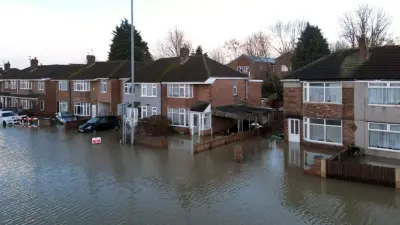
- Risks such as fire, flooding or storm damage
- Damage to items inside the home
- Broken glass, theft or third-party liability
- Temporary accommodation, assistance and emergency support services
The critical point is that not every home insurance policy provides the same protection. There can be major differences between a standard package and an extended package, so the offer and special terms should be read carefully.
Why can both policies matter together?
Especially in areas exposed to earthquake risk, DASK and home insurance are often recommended together. One focuses on structural damage to the building caused by an earthquake, while the other can play a complementary role for household contents and other everyday risks. This approach helps protect a home more comprehensively, rather than through a single risk category.
What should you look at when choosing a policy?
When deciding, it is important to look not only at the premium, but also at deductibles, exclusions and optional coverage extensions. Needs may differ especially for tenants, homeowners and people living in gated communities or apartment complexes. For the latest coverage details and application conditions, the most reliable approach is to review the official policy documents of the Natural Disaster Insurance Institution and insurance companies.





Comments (0)
No comments yet. Be the first to comment.
Write a Comment
Yorum yazmak için giriş yapın. Üyelik ücretsiz; yorumunuz editör onayından sonra yayımlanır.