
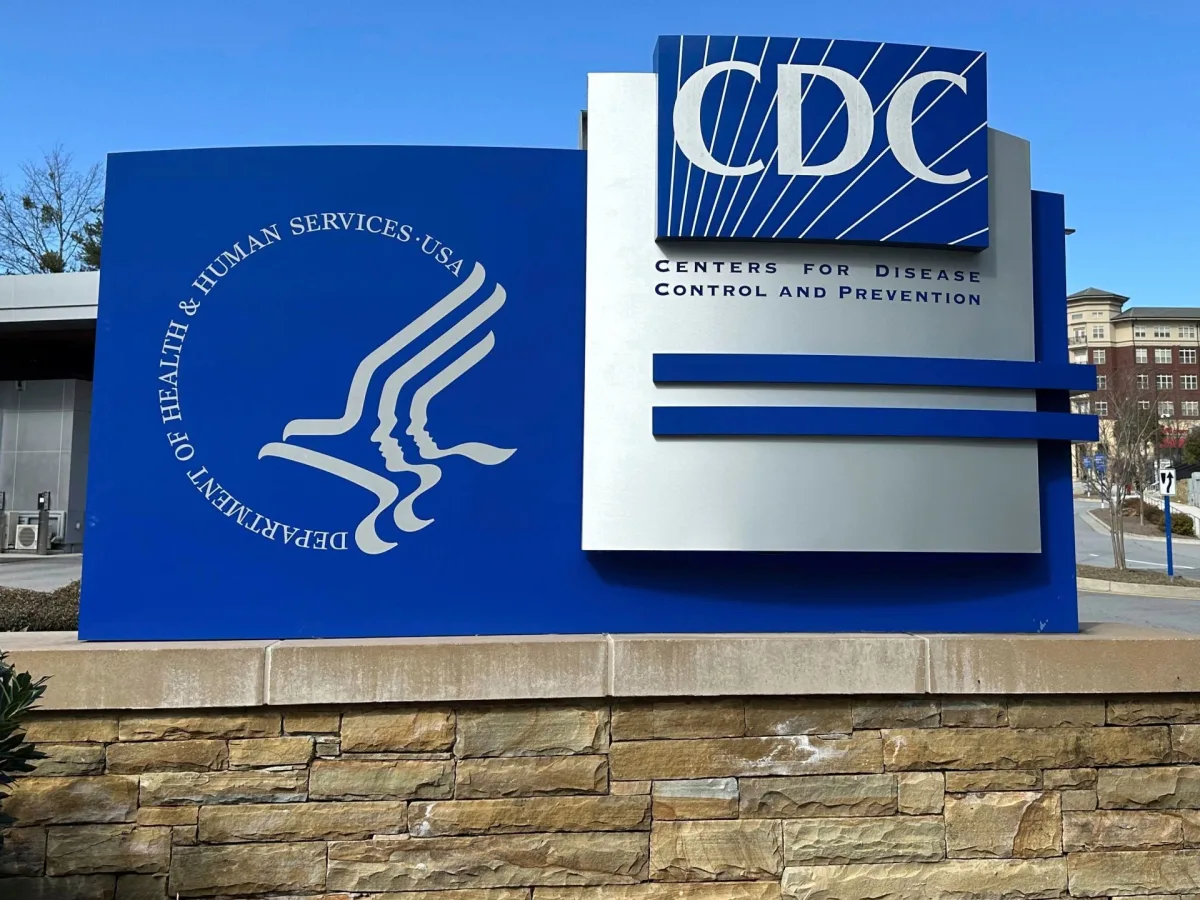
CDC’s initial assessment: Low risk for the U.S.
The U.S. Centers for Disease Control and Prevention (CDC) said it is aware of a reported possible plague case in Russia and is closely monitoring developments. The agency said the disease can be controlled with antibiotics if detected and treated early, and added that the current case poses a low risk to the United States.
The CDC said details of the incident have not yet been confirmed, but stressed that pneumonic plague is a serious bacterial disease. It also said rapid identification of infected people and prompt treatment are critical.
What is known about the case in Russia?
Precautions after the death of a laboratory worker
A 28-year-old woman named Darya Shipilova worked at an anti-plague laboratory in Siberia. Russian authorities have shared limited information about the circumstances of her death, but they quarantined a hospital in the Irkutsk region and began monitoring contacts of the laboratory technician.
According to reports in the Russian press, authorities placed about 200 people under medical observation. Russia says the situation is under control.
Why is Washington asking for more information?
Calls for transparency from the U.S. administration and experts
Marco Rubio said in Iceland on Tuesday that Russia should share more information with the world about Shipilova’s death. The U.S. administration said it has resources that could help if the situation worsens, but that clearer data is needed first.
Ashish Jha, who coordinated the COVID-19 response in the former Biden administration, also said it would be premature to assume the case is limited to a single pneumonic plague infection. According to Jha, more clarity is needed to understand exactly what happened.
Why pneumonic plague is being watched closely
According to the World Health Organization (WHO), pneumonic plague is caused by the Yersinia pestis bacterium. Although the disease is generally associated with small mammals and fleas, it can spread through respiratory droplets, making it highly contagious and potentially fatal if not treated early.
Key takeaways
- Early diagnosis and antibiotic treatment are considered decisive in the course of the disease.
- The current risk to the United States is assessed as low.
- More official information is still being awaited on the scope of the incident in Russia.






Comments (0)
No comments yet. Be the first to comment.
Write a Comment
Yorum yazmak için giriş yapın. Üyelik ücretsiz; yorumunuz editör onayından sonra yayımlanır.