
#tahlil sonuçları
 Sağlık
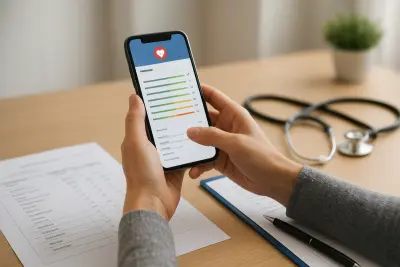
How to Read Lab Results on e-Nabız and When to See a Doctor
Blood and urine tests shown in the e-Nabız system do not provide a diagnosis on their own; reference ranges, symptoms and a doctor’s assessment must all be considered together.
 Sağlık
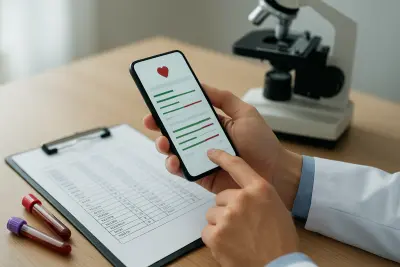
How to Read e-Nabız Test Results and When They Matter
High, low or out-of-range values seen in the system do not by themselves make a diagnosis; symptoms and a doctor’s assessment must be considered together for the right interpretation.
 Sağlık
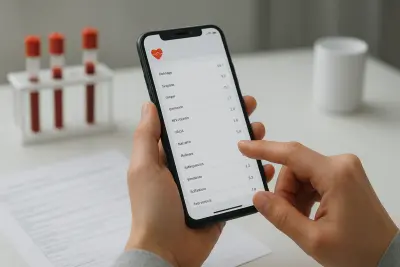
How to Read e-Nabız Test Results and Which Values Matter
When reviewing lab reports, the test name, measurement unit, reference range and high-low flags should all be considered together.
 Sağlık
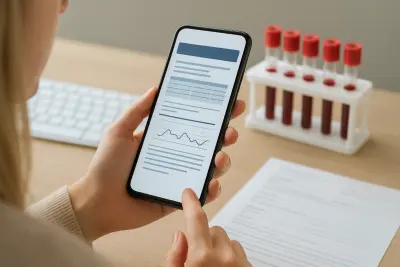
How to Read Lab Results in E-Nabız
When the reference range, unit of measurement and date are read correctly, lab records become easier to understand; a doctor’s assessment is needed for a definitive interpretation.
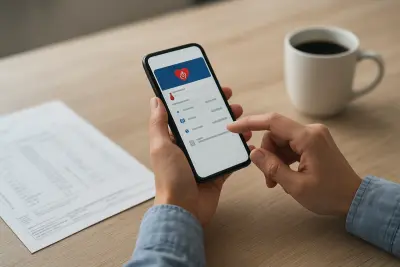 Sağlık
How to Read Lab Results on e-Nabız
Test names, reference ranges and warning flags do not diagnose on their own; context is key.