
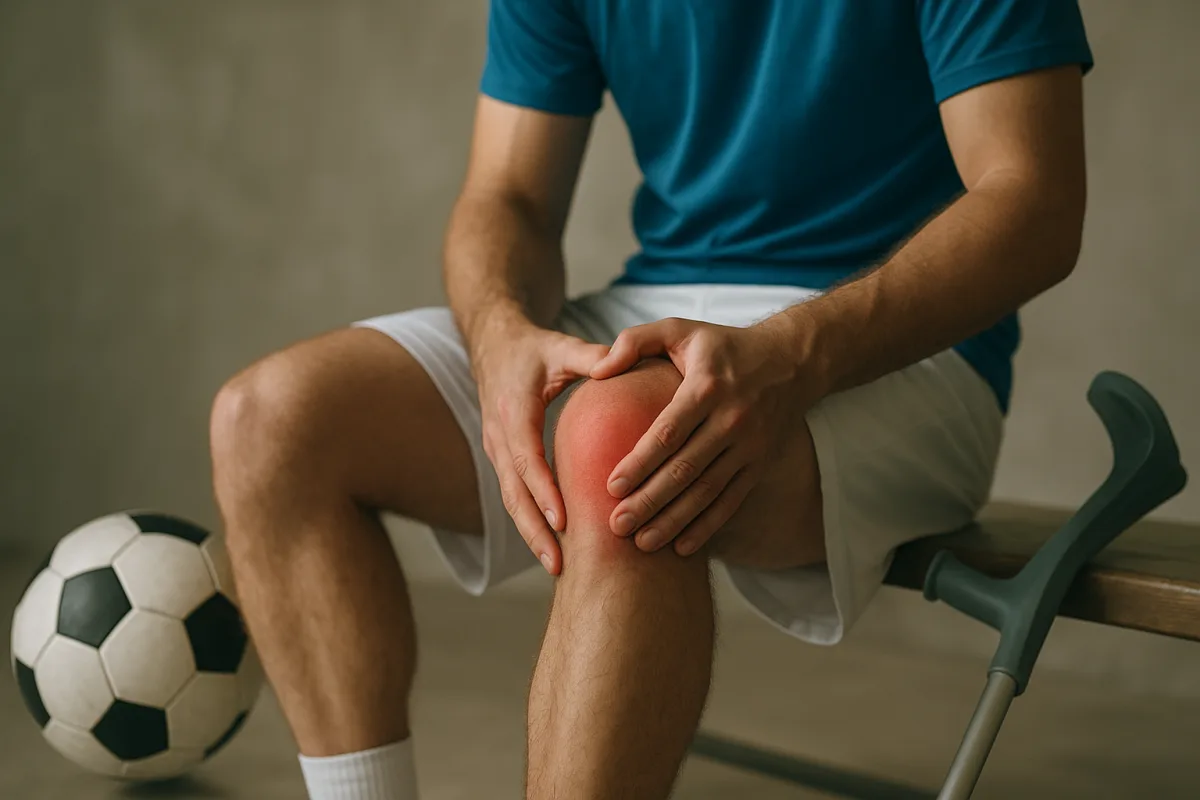
What does the ACL do in the knee?
ACL tear is among the most feared sports injuries in football because the problem is not limited to damage to a ligament in the knee. This structure helps stabilise the joint by preventing the shinbone from sliding forward and the knee from twisting too far, especially during sudden changes of direction, landing and take-off after a jump.
For that reason, damage to the ACL can directly affect a player's running rhythm, sense of balance and control on one leg. In football, where the pace is high, direction changes are frequent and the load is repeated, even a seemingly simple movement can turn into a serious knee injury.
Which movements cause the injury?
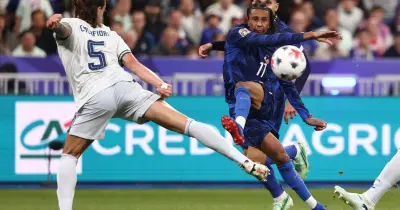
A large share of tears seen in athletes happen without contact with an opponent, through sudden stopping, sharp changes of direction and poor landings. In contact situations, a force from outside the knee can make the injury more severe. Sudden pain, swelling, a feeling that the knee has given way and difficulty continuing to play are among the most commonly reported symptoms.
Why does the surgery decision and rehabilitation take so long?
In complete ruptures, especially when the aim is for the player to return to competitive football, surgical reconstruction is one of the commonly considered options. However, ACL surgery is not seen as enough on its own; while the ligament is rebuilt, muscle strength, balance and movement control must also be restored.
Graft choice and return-to-play time
The graft used in surgery is selected according to the athlete's age, sport, accompanying injuries and the surgical plan. Sources usually give a range of 6 to 12 months for a full return to competition at peak performance. Even so, return-to-play time varies from person to person; returning to everyday life is not the same as stepping into a high-intensity match.
What does this months-long critical period aim to achieve?
In the first stage, the goals are to control pain and swelling, preserve joint range of motion and restart basic muscle activation. In the following months, the focus shifts to strength gains, jumping and landing mechanics, change-of-direction skills and neuromuscular control. Structured and supervised rehabilitation programmes are generally considered to deliver better outcomes.
How is return to play planned, and how is the risk of re-injury reduced?
After an ACL injury, the decision to return to play is often based more on test results than on the calendar. Even if a player feels well, a strength deficit, lack of balance or a problem in movement patterns can keep the risk of re-injury in play.
Key factors in the decision
- Assessment of muscle strength and balance between the two legs
- Jumping, landing and direction-change tests
- Control of pain, swelling and feelings of instability
- Gradual adaptation to team training and load management
On the prevention side, well-planned warm-up programmes stand out. Neuromuscular protocols such as FIFA 11+, developed by FIFA, have been reported to reduce injury rates when used regularly. In modern football, the aim is therefore not just to recover, but to make movement patterns that help prevent another injury a lasting part of the game.
"""
Comments (0)
No comments yet. Be the first to comment.
Write a Comment
Yorum yazmak için giriş yapın. Üyelik ücretsiz; yorumunuz editör onayından sonra yayımlanır.