
Key decision-makers in U.S. crypto oversight are thinning out
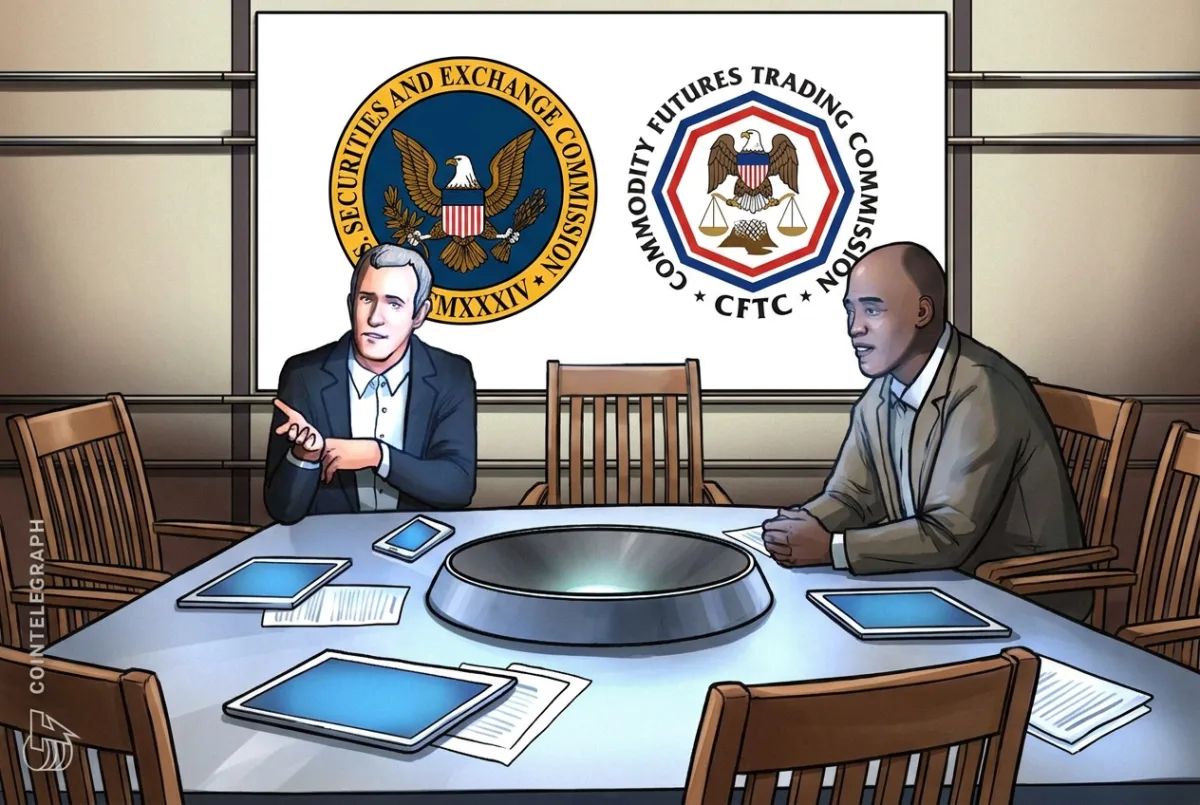
Two federal agencies central to crypto regulation in the United States will be left with just three commissioners in total by the end of this week. Hester Peirce, who serves at the U.S. Securities and Exchange Commission (SEC), will leave the agency on Friday, reducing the number of sitting commissioners at the SEC to two.
Peirce spent eight years at the SEC. Her departure will come about two months before the end of an 18-month extension granted for her second term. Known in the industry as “Crypto Mom” for her approach to digital assets, Peirce’s exit will leave the SEC operating with a reduced lineup even though the agency is normally expected to have five commissioners.
The SEC will have two commissioners, the CFTC one
After Peirce leaves, only Chairman Paul Atkins and Mark Uyeda will remain at the SEC. The Commodity Futures Trading Commission (CFTC), which plays an important role in overseeing crypto markets and enforcement, has already been functioning with a single commissioner since Caroline Pham’s departure in December 2025, with Chairman Michael Selig serving as the lone commissioner.
- The SEC’s five-seat board will effectively be down to two members.
- The CFTC has been operating with one commissioner since December 2025.
- Taken together, the two agencies will have just 3 decision-makers.
All eyes are on the White House for new appointments
Under federal rules, only U.S. President Donald Trump can nominate candidates to fill vacancies at the SEC and CFTC. The White House, however, has not yet announced any official nominees for the two agencies. A White House official said the appointments are planned for the “near future.”
According to a CNBC report dated Sept. 4, White House officials were considering four candidates for vacant commissioner seats at the CFTC. The report did not name them. In a statement from the CFTC, the agency said it would welcome new commissioners once they clear Senate confirmation and that it still has enough capacity to oversee its share of the crypto market.
With Congress stalled, agency interpretation is taking center stage
Even with incomplete leadership, the two agencies are continuing to shape digital asset rules more through rulemaking and interpretation of existing federal law than through new legislation from Congress. Earlier this month, the Digital Asset Clarity (CLARITY) Act, closely watched by the industry, failed to pass the Republican-controlled Senate.
Why did the CLARITY Act matter?
The bill would have given the CFTC greater authority over some areas of digital asset regulation that still fall partly under the SEC. With the legislation stalled, the agencies are continuing along different interpretive lines. The SEC is issuing staff guidance on investment contracts, while the CFTC is explaining how companies can use blockchain-based recordkeeping methods.
That leaves token issuers and crypto companies with the question of which activities fall under which regulator’s oversight. For the market, the key issue is how much regulatory clarity will continue to be shaped by internal agency interpretation until new commissioners are appointed.
"""





Comments (0)
No comments yet. Be the first to comment.
Write a Comment
Yorum yazmak için giriş yapın. Üyelik ücretsiz; yorumunuz editör onayından sonra yayımlanır.