
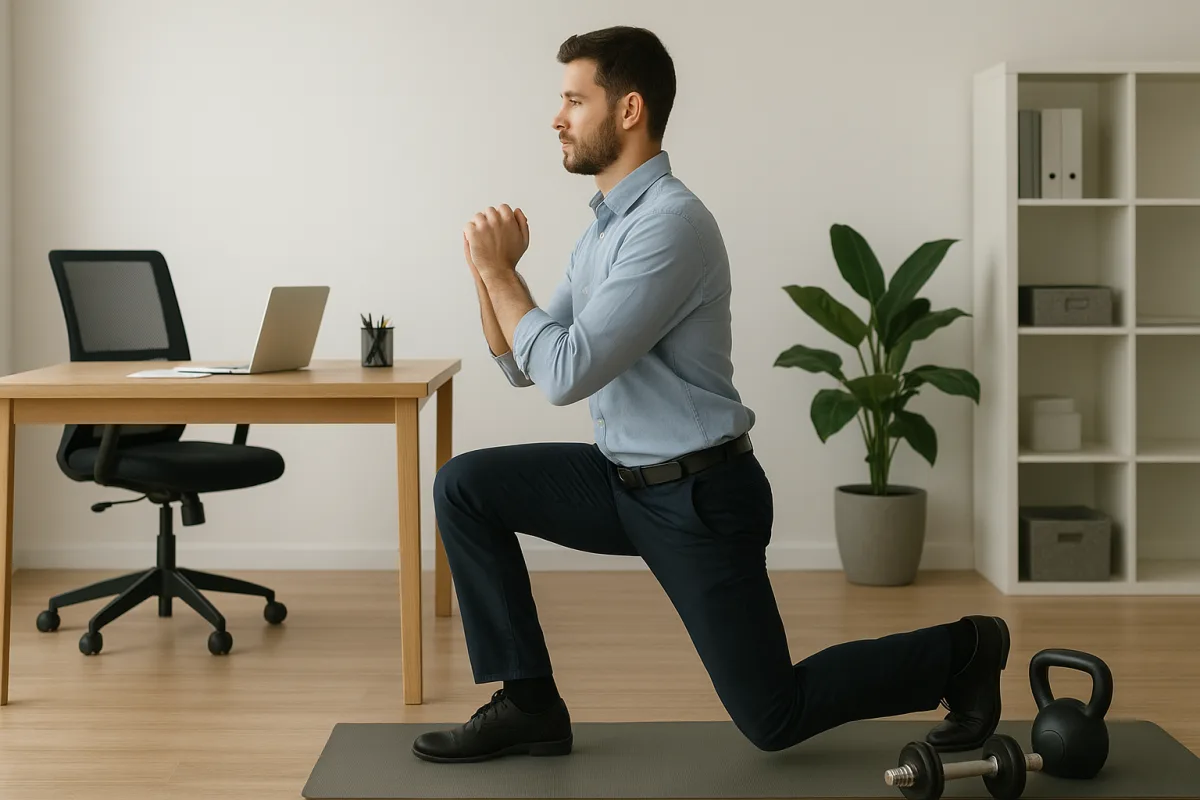
How can the WHO movement recommendation be applied by office workers?
150 minutes of exercise per week does not have to be an unrealistic goal for employees who spend most of the day sitting. According to the 2020 guidelines published by the World Health Organization (WHO), adults should aim for at least 150-300 minutes of moderate-intensity aerobic activity or 75-150 minutes of vigorous-intensity aerobic activity per week; a combination of the two is also accepted.
This framework does not mean long workout sessions all at once. Especially for people working in offices, spreading activity across the week is a more realistic way to reduce the effects of a sedentary lifestyle and build a sustainable routine.
What do moderate and vigorous intensity mean?
One practical method often used is the talk test. During moderate intensity, it is possible to speak, but the pace is noticeable; at vigorous intensity, breathing becomes more labored after a few words and talking becomes clearly difficult.
Brisk walking, fast stair climbing or cycling may feel different in intensity depending on the person. That is why the important thing is not someone else’s pace, but monitoring your own breathing and effort.
Sample plan for spreading 150 minutes across the week
For office workers, the most practical approach is to break activity into smaller pieces during the week. The plan below can be considered a sample exercise program:
- Monday: 30 minutes of moderate-intensity walking
- Tuesday: 20-30 minutes of bodyweight strength training
- Wednesday: 30 minutes of brisk walking or cycling
- Thursday: 20-30 minutes of strength training
- Friday: 30 minutes of moderate-intensity activity
- Weekend: 30-60 minutes of walking, hiking or another activity suited to the person
This structure makes it easier to reach the weekly aerobic target while also keeping strength days in the schedule. According to the guidelines, strength training that works all major muscle groups is recommended on 2 or more days a week, and this section is said to provide added benefits, so it should not be treated as optional.
Basic exercises you can do at home or in the office
- Controlled sit-to-stand from a chair
- Push-ups against a wall or desk
- Bridge, plank and glute squeeze exercises
- Stair climbing, marching in place and short movement breaks
Breaking up long sitting periods and getting the first 4 weeks right
Reducing time spent in a sedentary lifestyle is another important part of the guidance. Breaking long sitting periods with short movement breaks throughout the day, taking the stairs instead of the elevator, making phone calls while standing and adding a short walk during lunch can all be effective.
A safe progression approach for beginners
In the first four weeks, the goal is not perfect performance but establishing a routine. Starting with shorter sessions in the first two weeks and then increasing the duration based on how the body responds, followed in later weeks by first increasing the total minutes and then the pace, offers a more controlled approach.
The WHO movement recommendation notes that, for additional health benefits, moderate-intensity activity can be increased beyond 300 minutes a week and vigorous-intensity activity beyond 150 minutes. However, people with chronic conditions, pain or special health concerns should consult a doctor before starting a new program.
"""





Comments (0)
No comments yet. Be the first to comment.
Write a Comment