
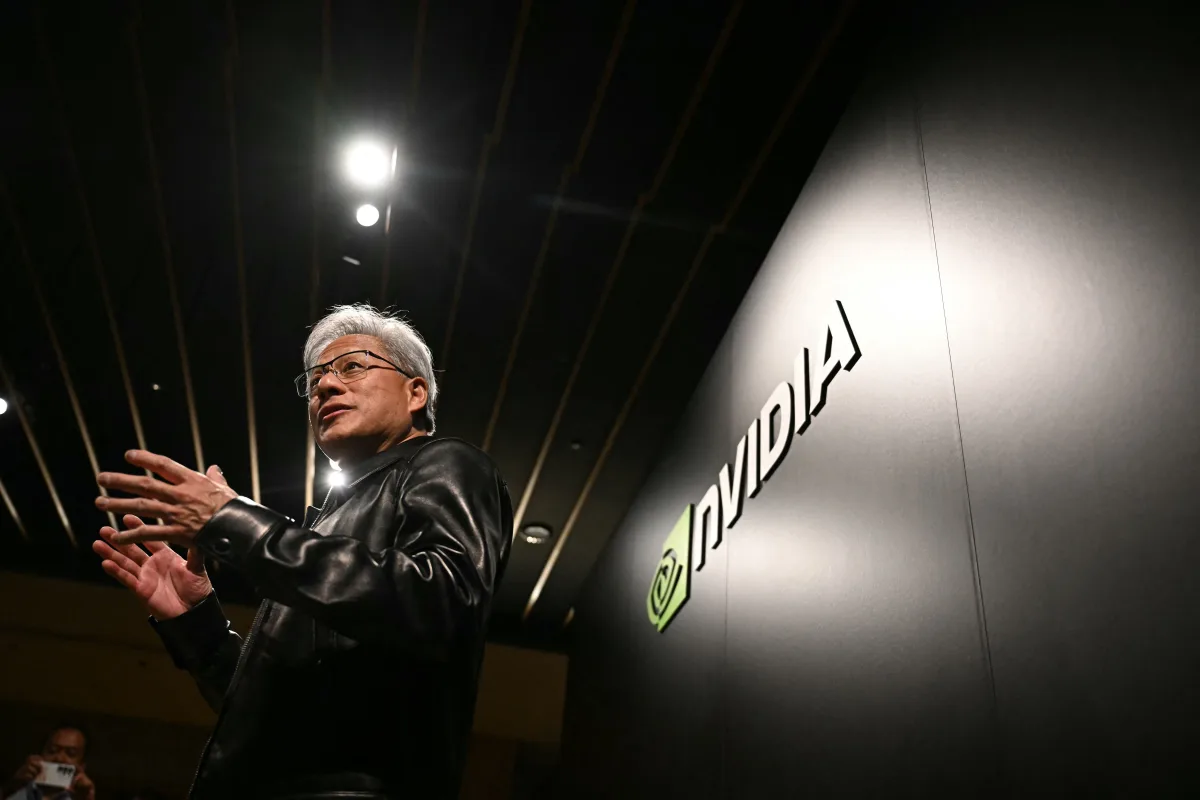
What was the main message after Nvidia's earnings?
Nvidia's earnings showed Wall Street that demand for artificial intelligence remains strong. Even so, recent price moves suggested the market is entering a more selective phase rather than a broad-based rally in tech stocks.
After Nvidia's results, investors focused not only on the AI theme itself, but also on how quickly that theme is translating into revenue and growth. The sharp drop in Marvell Technology shares despite its strong results also showed that companies in the same sector are no longer getting the same reaction.
Which tech stocks stood out, and which lagged?
The narrative changed for software stocks
Software stocks, which had been under pressure for much of 2026, staged a strong rebound over the past week. Steve Koenig said investors are now judging the impact of AI on software in a more nuanced way, summing up the period with the words, “It’s all about acceleration.”
That approach has rewarded companies able to show revenue growth and faster demand, while reinforcing cautious pricing for names that fail to generate growth despite the AI theme.
Performance gaps widened among megacap tech
Over the past month, Amazon shares rose 15%, while Nvidia shares also gained 10%. The data showed that even among big tech companies, the winners are becoming more clearly separated.
By contrast, Alphabet has fallen 15% from its May peak, erasing about $692 billion in market value. Investor caution has been driven by heavy infrastructure spending, the departure of top-tier AI talent, and concerns that the company is losing its competitive edge.
- Investors are now looking not just at the AI story, but at the speed and sustainability of growth.
- According to strategists, the market has started to draw a much sharper line between winners and laggards in the megacap tech group.
What risks stand out in 2027 AI spending?
The gap between spending plans and execution capacity
According to portfolio managers, the key test for hyperscale companies making major financing deals for AI infrastructure will be whether they can deploy those funds efficiently and on time. With capital expenditures expected to rise above $1 trillion in 2027, labor shortages, permitting delays, local opposition and component shortages are among the main risks.
Analysts say that if this spending does not materialize as planned, next year's AI investment surge could slow. On the other hand, the view that the chip market is growing by more than two times a year suggests there may be more room for players such as Alphabet and Marvell, as well as Broadcom and AMD; the fastest unit market-share gains are said to be coming from Google's TPU chips.
"""



Comments (0)
No comments yet. Be the first to comment.
Write a Comment
Yorum yazmak için giriş yapın. Üyelik ücretsiz; yorumunuz editör onayından sonra yayımlanır.