
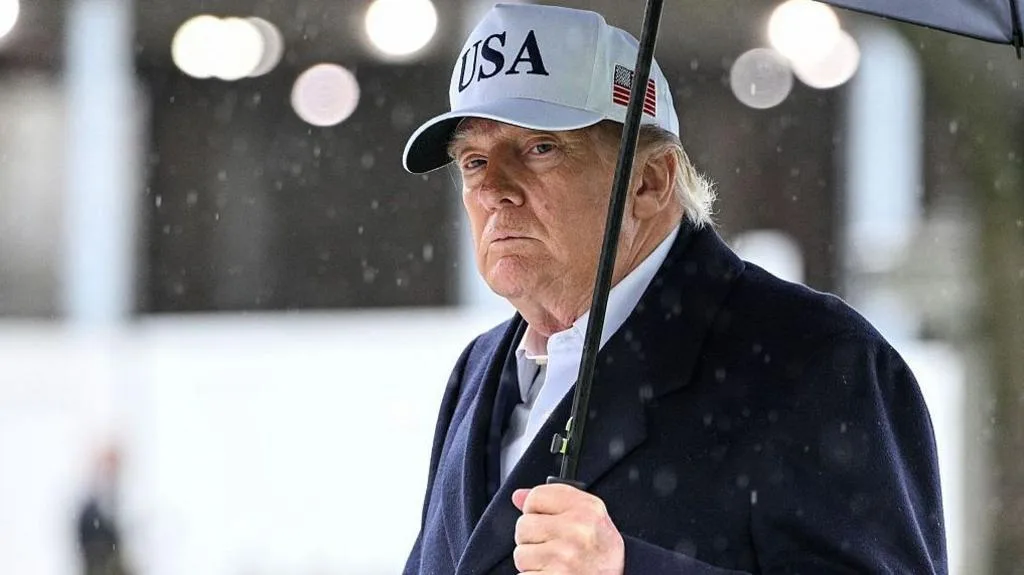
New message from Tehran after Trump’s rejection
As the crisis around the Strait of Hormuz continues, Iranian Foreign Minister Abbas Araghchi said negotiations are the only way to end the conflict with the United States. Araghchi said Tehran is waiting for a clear official response from Washington through mediators after U.S. President Donald Trump publicly rejected the proposal to reopen the strait to commercial shipping.
Trump said at the White House that he had rejected Iran’s proposal. The U.S. president argued that Tehran wanted an agreement to reopen the strait to commercial traffic within seven days and claimed the United States already has full control over the waterway.
Araghchi said in a post on his Telegram account that Trump has made contradictory statements in the past. The Iranian minister said the conditions put forward for reopening the strait were the same as those included in a memorandum of understanding signed with the United States in June.
What conditions are the sides putting forward?
Iran’s expectations and its diplomatic message
Iran said it raised both an end to hostilities and the reopening of the Strait of Hormuz during meetings this week on the sidelines of the United Nations General Assembly in New York. The waterway, which effectively closed after the war that began in February, is a critical route through which about one-fifth of global oil and natural gas supplies pass.
Iranian President Masoud Pezeshkian also told CBS, the BBC’s U.S. broadcasting partner, that the distrust created by the war must be overcome for talks to produce results. Pezeshkian said Iran is open to a phased implementation of the memorandum of understanding, but said the United States must show it is not seeking to overthrow Iran’s government.
- Iran is framing the reopening of the strait and an end to the conflict within the same diplomatic framework.
- Tehran says the terms set out in the June memorandum of understanding remain valid.
Washington, Oman and the sanctions front
Oman, which continues to serve as a mediator between the two sides, called on all parties to keep up open dialogue. Omani Foreign Minister Sayyid Badr bin Hamad bin Hamood Albusaidi said during the UN General Assembly talks that the sides should cooperate to protect navigation security in the strategic waterway.
On the Washington side, U.S. Ambassador to NATO Matthew Whitaker backed Trump’s decision. U.S. Treasury Secretary Scott Bessent also said sanctions are putting pressure on Iran, adding that Turkey, Oman and the United Arab Emirates had halted flights by some Iranian airlines and that some banks in the UAE and Turkey had stopped transactions with Iran.
Impact of economic pressure debated
The White House is stepping up economic pressure to force Iran to stop attacks on vessels in the Strait of Hormuz. However, some economists say the impact of new sanctions will depend on how Iran’s main trading partners respond.
In this context, China’s stance is drawing particular attention as the biggest buyer of Iranian oil. According to the source, Beijing has ignored previous U.S. sanctions and continued commercial ties with Tehran.
"""


Comments (0)
No comments yet. Be the first to comment.
Write a Comment
Yorum yazmak için giriş yapın. Üyelik ücretsiz; yorumunuz editör onayından sonra yayımlanır.