
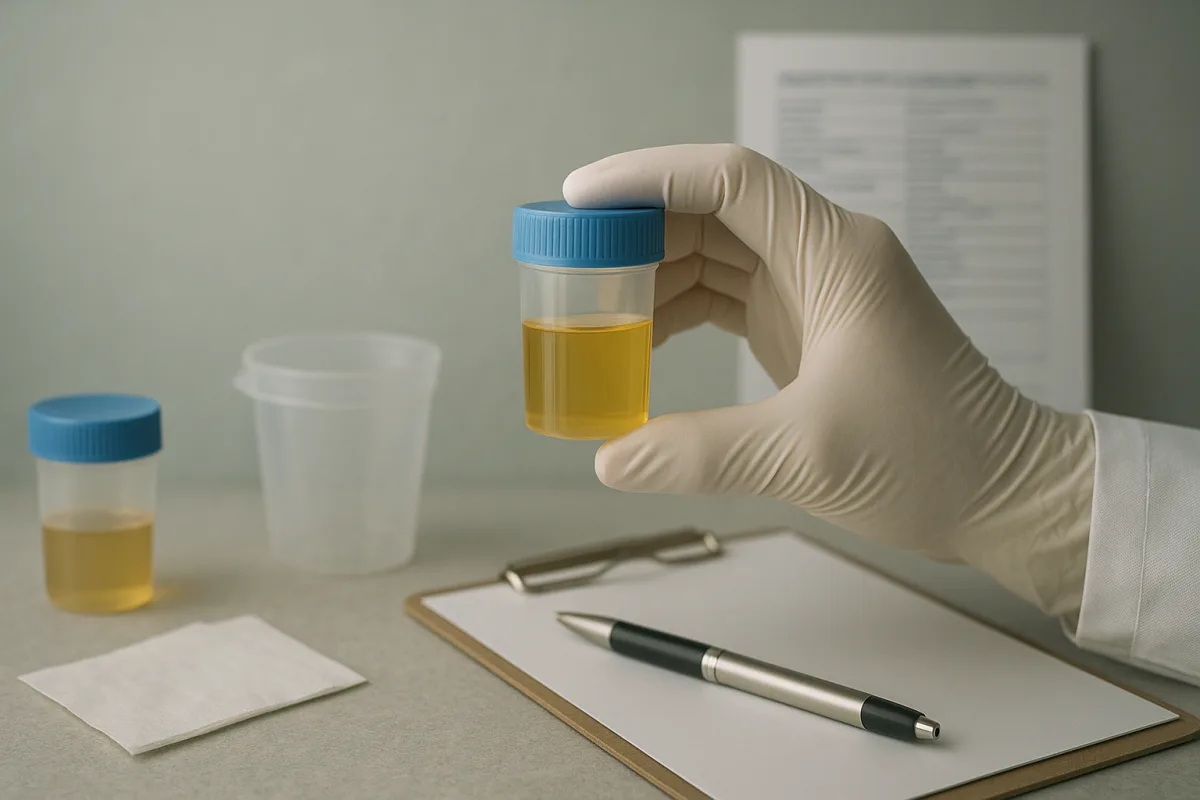
When are doping tests carried out?
The answer to how doping control is carried out starts with knowing that testing is not limited to competition day. In Turkey, the process is run by the Turkey Anti-Doping Commission under the World Anti-Doping Code and international standards; athletes can be tested both in-competition and out-of-competition.
The institutional basis for doping control in Turkey was established by a protocol signed on May 24, 2011 between the Directorate General of Sports and the Turkish National Olympic Committee. In practice, the fact that an athlete can be tested at any time and anywhere allows the system to operate on a surprise-testing model.
What is the difference between in-competition and out-of-competition testing?
In-competition testing generally refers to tests carried out during a competition period. Out-of-competition testing can also take place during training, at camp or in daily life, which means oversight is not tied only to result days.
What happens at the station from notification to sample collection?
The process begins when the athlete is notified by a doping control officer. Identity is verified at the control station, and the anti-doping organization requesting the test decides what type of sample will be collected; the sample may be urine or blood.
During sample collection, the athlete opens the containers to be used. The samples are then placed into bottles marked as A and B samples, and the sealing process is completed by the athlete as well. This setup is intended to strengthen the integrity of the chain of custody and the technical basis for any later challenge.
Why are A and B samples collected?
In the laboratory, the A sample is analyzed first. If the A sample shows a result indicating a prohibited substance or method, this may trigger an adverse analytical finding process, and the athlete has the right to request analysis of the B sample.
What is the B sample for?
The B sample is a second layer of assurance to confirm the initial result. It therefore plays a critical role both as a procedural safeguard and as part of the right of defense; the final assessment is determined through the procedures of the relevant disciplinary and sports authorities.
Laboratory analysis, the biological passport and athlete responsibility
Analyses are carried out in laboratories accredited by WADA. In addition, the athlete biological passport makes it possible to assess an athlete indirectly, even when no banned substance is directly detected, by creating personal normal ranges through samples taken at different times.
Another key issue is the annually updated WADA Prohibited List. Athletes are expected to check the medications and supplements they use against this list; some treatments may require a therapeutic use exemption.
- Athletes are responsible for checking the contents of the products they use.
- Supplements, medicines and treatment processes should be reviewed against the prohibited list.
- When necessary, the therapeutic use exemption process should be assessed in advance.
For this reason, one of the most decisive principles in doping sanction cases is that responsibility largely lies with the athlete. Whether a result becomes final is determined by considering the sample analysis, the right of defense, the B-sample review and all formal disciplinary decisions together.
"""





Comments (0)
No comments yet. Be the first to comment.
Write a Comment
Yorum yazmak için giriş yapın. Üyelik ücretsiz; yorumunuz editör onayından sonra yayımlanır.