
Sale decision comes before merger
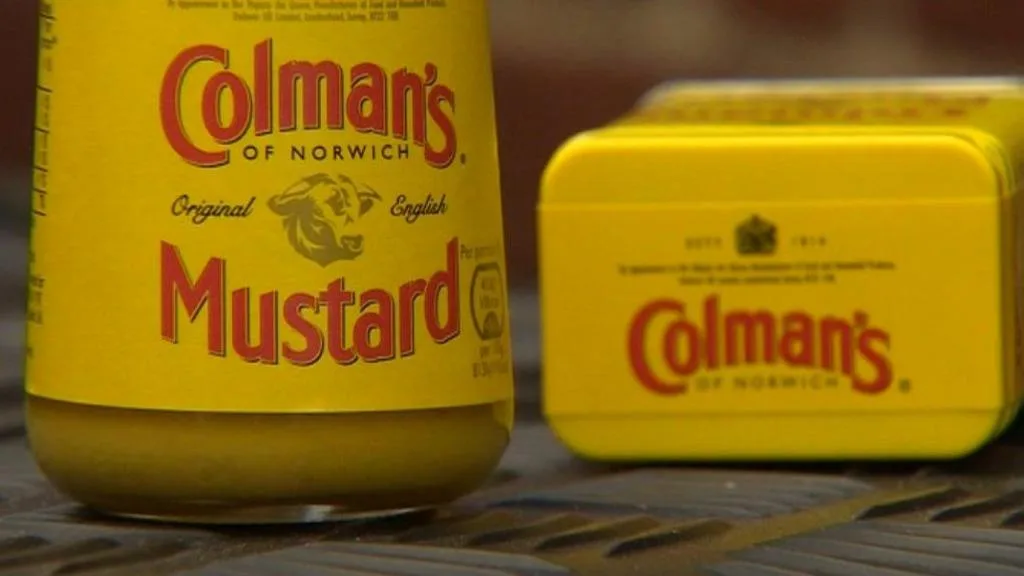
Colman’s Mustard has been put up for sale ahead of the planned merger between Unilever and U.S.-based food company McCormick. Under the deal, said to be worth around £48 billion, the company is seeking potential buyers for the brand and related assets. The company said the move is intended to pre-empt competition concerns that could arise from the planned merger.
According to a Unilever spokesperson, the decision was taken to proactively address any potential competition issues linked to the planned merger of Unilever Foods and McCormick. The same statement said talks are ongoing and current operations are continuing as normal.
Portfolio balance and the competition angle
If the broader transaction is completed, McCormick will take control of consumer brands including Hellmann’s, Marmite, Knorr and Pot Noodle. The fact that McCormick already owns French’s, one of the world’s leading rival mustard brands, makes a sale option for Colman’s even more important from a competition standpoint.
- McCormick aims to expand its food and seasoning portfolio through the deal.
- Unilever is shifting its focus toward home and personal care brands such as Dove, Persil and Lynx.
Against this backdrop, divesting Colman’s stands out as a step aimed at reducing market concentration after the merger. The process is being closely watched, especially for its implications in the mustard and condiment markets.
Norwich production legacy and current status
Colman’s was founded by Jeremiah Colman in 1814 in Stoke Holy Cross; production moved to Carrow in 1858. With its strong ties to Norfolk, the brand was long known not only as a food producer but also as an employer that provided education, housing, healthcare and social support to its workers.
Unilever announced in 2018 that it would close the Carrow site in Norwich. The last jar of mustard came off the production line in 2019, and the factory closure was completed in 2020. The 17-hectare site has remained vacant since then, with plans reported for thousands of homes in the area.
Production was later moved to Burton-on-Trent and Germany. Condimentum, based in Easton near Norwich, continues to produce the raw material for the brand, maintaining Colman’s link to the city.





Comments (0)
No comments yet. Be the first to comment.
Write a Comment