
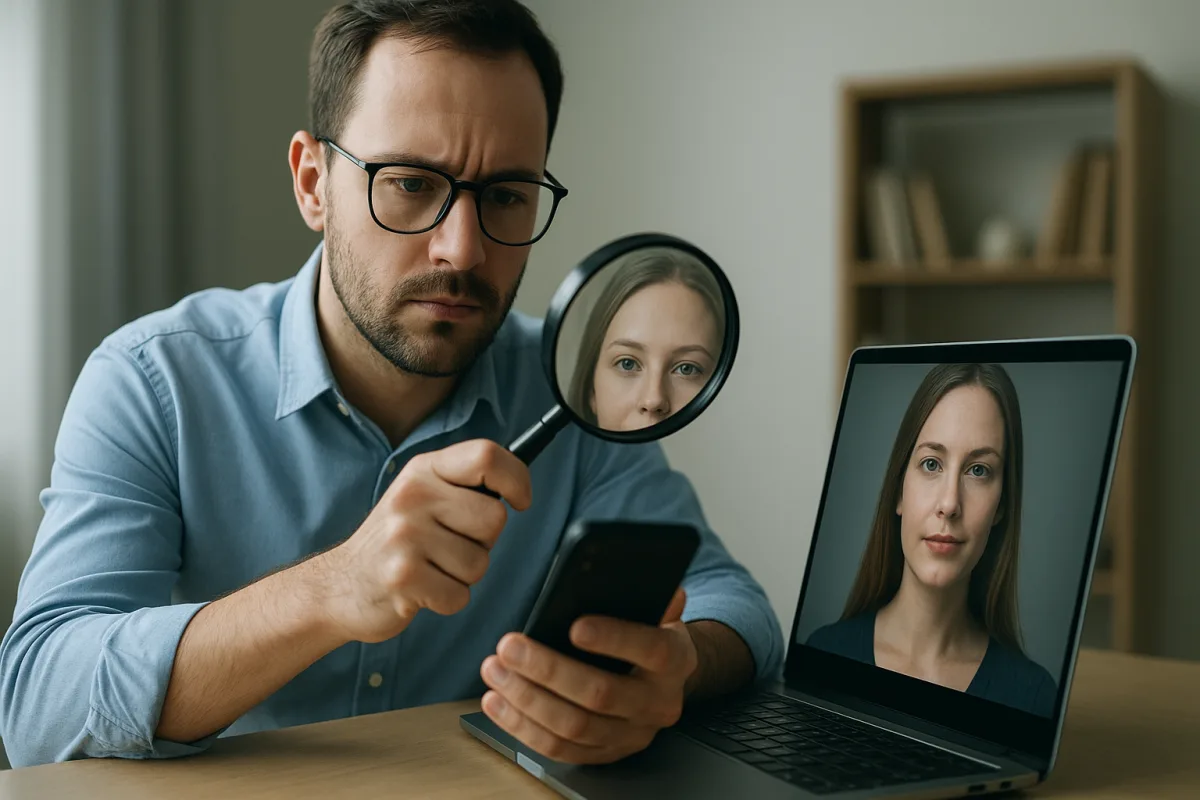
First Signs to Look for in Deepfake Content
Deepfake content refers to synthetic videos, audio, or images generated using artificial intelligence tools and presented as authentic. While these fabrications can appear convincing at first glance, careful scrutiny often reveals minor inconsistencies. A single red flag may not be conclusive, which is why visual, auditory, and contextual elements must be evaluated together.
Inconsistencies in Visual Details
Blurry transitions between the face and neck, unnatural light distribution across features, lip movements that do not sync perfectly with audio, and frozen facial expressions are key red flags. Fast cuts, low resolution, and heavy filters are often used to conceal these flaws, making frame-by-frame analysis a useful technique.
Clues in Audio and Speech Cadence
Synthetic voice cloning often features erratic pitch fluctuations, distorted word endings, unnatural breathing pauses, or audio that clashes with the surrounding environment. Disconnects between spoken emphasis and facial gestures further heighten the likelihood of a fake video.
2>Why Context and Source Checking Are CriticalDetermining authenticity relies as much on tracing a post’s origin as it does on detecting technical flaws. Analyzing the original publisher's account history, context of the event, and circulating variants forms the bedrock of the digital verification process.
Key Verification Steps to Follow
- Check whether the media has previously circulated under a different context or headline.
- Cross-examine visual details such as dates, locations, license plates, signs, or background elements.
- Cross-reference the claims with reputable news organizations and official statements.
- Exercise caution with unsourced posts designed to provoke strong emotional responses.
How Media Literacy Combats Misinformation
Media literacy is the practice of fact-checking content before accepting viral claims on social media. Deepfake manipulations targeting politics, finance, public figures, and major social events demand particularly rigorous scrutiny.
Red Flags That Warrant Skepticism
Sensational headlines, single-source claims, recycled footage presented as current events, and heavily edited snippets all serve as warning signs. Ultimately, deepfakes are rarely unmasked by a single flaw but rather by a combination of subtle discrepancies. In doubtful cases, cross-checking with independent fact-checking tools and authoritative sources remains essential.




Comments (0)
No comments yet. Be the first to comment.
Write a Comment
Yorum yazmak için giriş yapın. Üyelik ücretsiz; yorumunuz editör onayından sonra yayımlanır.