
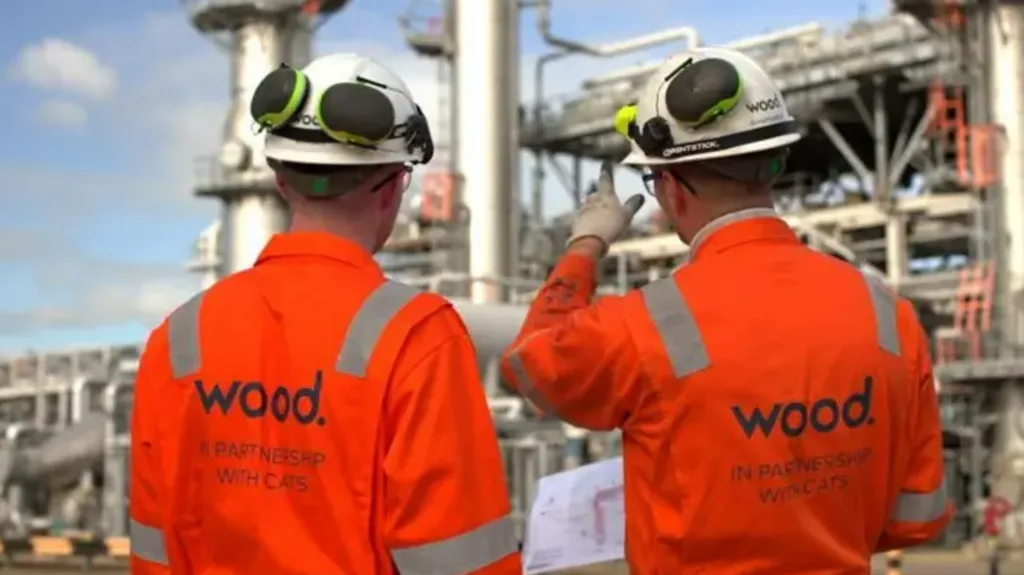
First wave of strikes began at midnight
The North Sea strike has moved into a new phase in the pay and working-conditions dispute between Wood Group and the unions. Some offshore workers employed as production, instrument and mechanical technicians joined a 48-hour walkout that began at midnight.
Unite and the RMT union said the company wanted to cut the pay and terms of dozens of offshore workers and had also raised the prospect of firing and rehiring staff on worse conditions. The dispute has led to close monitoring of operations at some facilities run by Harbour Energy.
Which platforms and dates will be affected?
The first action covers a number of Harbour Energy facilities in the North Sea. Platforms that could be affected include Britannia, Jasmine, Judy, Lomond and North Everest.
Planned strike timetable
Under the current schedule, industrial action will last a total of 6 days in October and November. Further stoppages are expected after the initial two-day strike.
- A new wave of strikes is planned for 20-21 October.
- There is also an additional walkout scheduled for 3-4 November.
- RMT members have also been told not to work overtime from 8 October until further notice.
This schedule could make staff planning and the balance between maintenance and production more difficult for the company. However, neither side has yet provided a figure for the amount of production that may be lost.
What risks stand out for energy supply and the market?
Harbour Energy said the safety of its people and assets remains the priority and that it expects safe and reliable operations to continue as it works closely with contractors. Wood Group also said it was aware of the planned industrial action and that the safety of staff and operations is the top priority.
The strike news comes at a time when labour-related risks in the UK energy sector are rising. After warnings that a separate strike by offshore workers at energy company Apache could seriously disrupt the country’s fuel supply, the latest development has once again highlighted the fragility of the North Sea production chain.
For now, the main risk is disruption to work patterns at specific platforms. In the market, attention is focused on whether the action will drag on and whether it will have a concrete impact on UK offshore oil and gas output.
"""





Comments (0)
No comments yet. Be the first to comment.
Write a Comment
Yorum yazmak için giriş yapın. Üyelik ücretsiz; yorumunuz editör onayından sonra yayımlanır.