
How are TV ratings measured in Turkey?
When people discuss the success of a TV series, competition show or news bulletin, one of the first questions that comes up is how TV ratings are measured. In Turkey, TV audience measurement is carried out through devices installed in households within a sample panel designed to represent the population, along with a regular data flow.
When this panel is built, factors such as region, household size and socioeconomic status are taken into account. The aim is for the data collected from a limited number of measurement households to reflect the broader TV audience as accurately as possible.
What does a peoplemeter do?
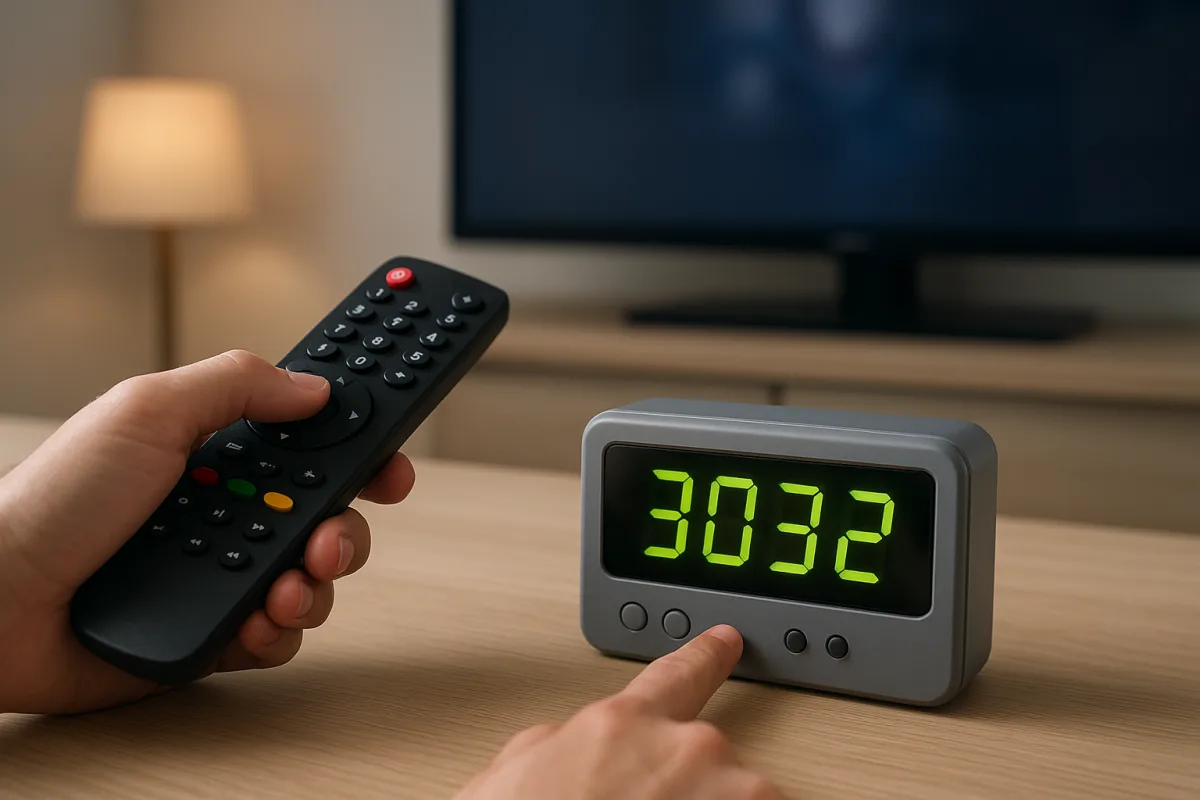
The peoplemeter installed in households records, second by second, which channel the TV is tuned to. But the system does not only check whether the set is on; each person in the home indicates that they are watching by pressing their assigned button, so it separately tracks who is in front of the screen.
This method makes it possible to distinguish the impact of viewers of different ages and profiles living in the same home. As a result, the picture goes beyond simply knowing that “the TV was on” and shows which program was followed by which audience group.
When is the data collected, and how are reports produced?
The collected data is transmitted to the central system overnight via phone lines and reported the next morning. The daily performance chart that is critical for channel executives, production companies and ad planners takes shape at the end of this process.
What is the difference between rating and share?
The short answer to what rating is is that it shows what percentage of the target universe a program reaches. The answer to what share is is different; share refers to the program’s portion among those watching TV at that moment.
- Rating shows the reach within the total target universe.
- Share measures the share among viewers who are in front of the screen at that time.
For this reason, two programs can post similar ratings but different share values. In particular, the time of day, the overall level of TV usage and the performance of competing channels make this difference more pronounced.
Why does the target audience affect ad revenue?
In the TV industry, commercial value is not always limited to the most watched program. In ad pricing, performance among a specific target audience is often used instead of total viewers; that is why some productions can stand out by reaching a narrower but more valuable audience for advertisers.
Why are AB audience groups and age breakdowns tracked?
Socioeconomic classifications such as the AB audience group, as well as specific age brackets, are commonly used in planning ad campaigns. Even if a program does not deliver very high overall ratings, it can generate greater commercial value if it strongly reaches the profile advertisers want.
As digital platforms, mobile screens and time-shifted viewing habits increase, measurement has become more complex. For this reason, broader measurement approaches that include multi-screen consumption are becoming increasingly important for the industry alongside traditional TV data.
"""





Comments (0)
No comments yet. Be the first to comment.
Write a Comment
Yorum yazmak için giriş yapın. Üyelik ücretsiz; yorumunuz editör onayından sonra yayımlanır.