
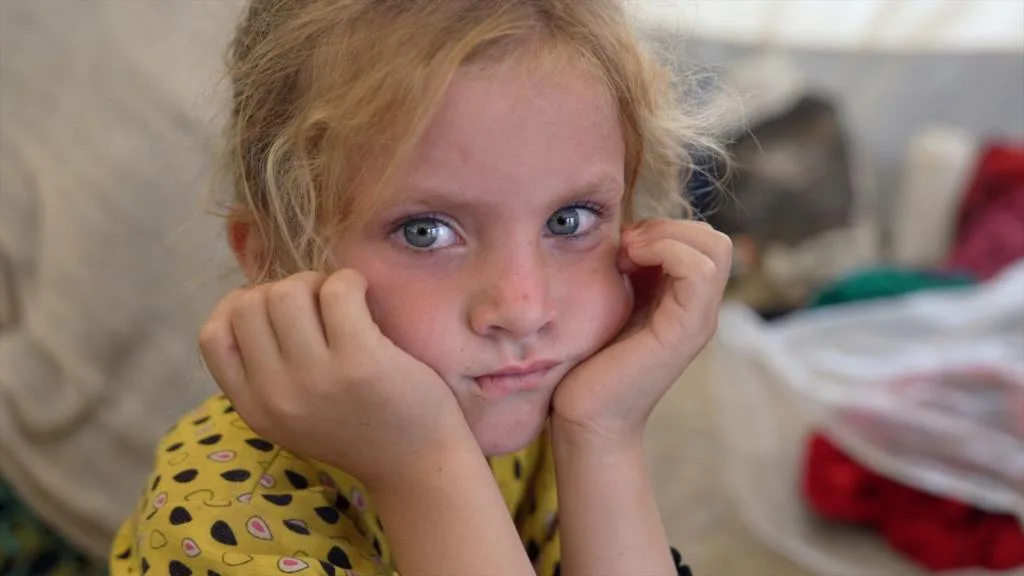
Los devueltos desde Pakistán e Irán se concentran en la frontera
Los afganos expulsados cruzan a su país por el paso fronterizo de Torkham, en Pakistán, cargando tanto con la vida que dejaron atrás como con la incertidumbre de un futuro bajo el gobierno talibán. Según la Agencia de la ONU para los Refugiados (ACNUR), este año ya han regresado a Afganistán desde Pakistán e Irán más de 1 millón de personas. Una parte importante de las familias que llegan a las zonas de registro en la frontera se enfrenta desde el primer momento a preguntas sobre alojamiento, alimentos y medios de subsistencia.
Buena parte de quienes regresan son personas que abandonaron Afganistán hace décadas o que, al haber nacido en países vecinos, nunca habían conocido el país. En los campamentos temporales levantados cerca de Torkham, a las familias solo se les puede ofrecer refugio durante unas pocas noches. ACNUR subraya que se trata de uno de los mayores movimientos transfronterizos de población de los últimos tiempos.
¿Qué dicen las cifras?
- Según ACNUR, en los casi tres últimos años han regresado a Afganistán 6 millones de personas.
- Solo este año, los retornos desde Pakistán e Irán superan el millón.
- Pakistán ha concedido una exención temporal de expulsión por motivos humanitarios a 16.000 afganos vulnerables.
Las políticas de devolución también afectan a afganos registrados
Pakistán e Irán sostienen que los afganos deben volver a su país, alegando riesgos de seguridad y la carga económica que supone su presencia. Sin embargo, la ONU y organizaciones de derechos humanos advierten de que las medidas no se limitan a los migrantes sin documentos; también afectan a afganos con tarjetas de registro en Pakistán, que no quedan exentos.
El gobierno de Pakistán ha rechazado las denuncias de malos tratos contra los afganos, y afirma que los posibles casos son aislados y se tratan dentro del marco legal. En cambio, Human Rights Watch denunció en febrero redadas puerta a puerta, registros nocturnos y detenciones sin orden judicial. En Irán, por su parte, se informó de que las devoluciones masivas se aceleraron tras la guerra de 12 días con Israel y Estados Unidos en junio de 2025.
Las organizaciones de derechos humanos sostienen que, en el contexto posterior a la guerra, los migrantes afganos están siendo objeto de mayores sospechas, incluso con acusaciones de espionaje. La ONU, por su parte, recuerda que todo retorno debe ser voluntario, seguro y digno, y advierte contra las prácticas coercitivas.
La situación humanitaria en Afganistán hace el regreso aún más duro
El panorama que aguarda a los retornados en el Afganistán gobernado por los talibanes también es grave. Según estimaciones de la ONU, este año 21,9 millones de personas necesitan ayuda para sobrevivir; UNICEF, además, ha advertido de que 1 millón de niños corren el riesgo de sufrir desnutrición potencialmente mortal.
Riesgos adicionales para mujeres y antiguos agentes de seguridad
En el país siguen vigentes duras restricciones para la educación y la vida pública de las mujeres y las niñas, mientras las familias que regresan muestran especial preocupación por el futuro de sus hijas. Exagentes de seguridad y algunas personas que trabajaron en la administración anterior afirman que desconfían de la amnistía anunciada por los talibanes y que viven ocultándose por miedo a represalias.
El ministro de Exteriores talibán, Emir Khan Muttaqi, admitió que los retornos están generando presión, aunque defendió que a largo plazo beneficiarán al país. ACNUR, en cambio, insiste en que ningún Estado puede gestionar por sí solo una crisis de esta magnitud, y subraya que las restricciones impuestas especialmente a mujeres y niñas debilitan el apoyo internacional.
"""
Comentarios (0)
Aún no hay comentarios. Sea el primero.
Escribir Comentario
Yorum yazmak için giriş yapın. Üyelik ücretsiz; yorumunuz editör onayından sonra yayımlanır.