
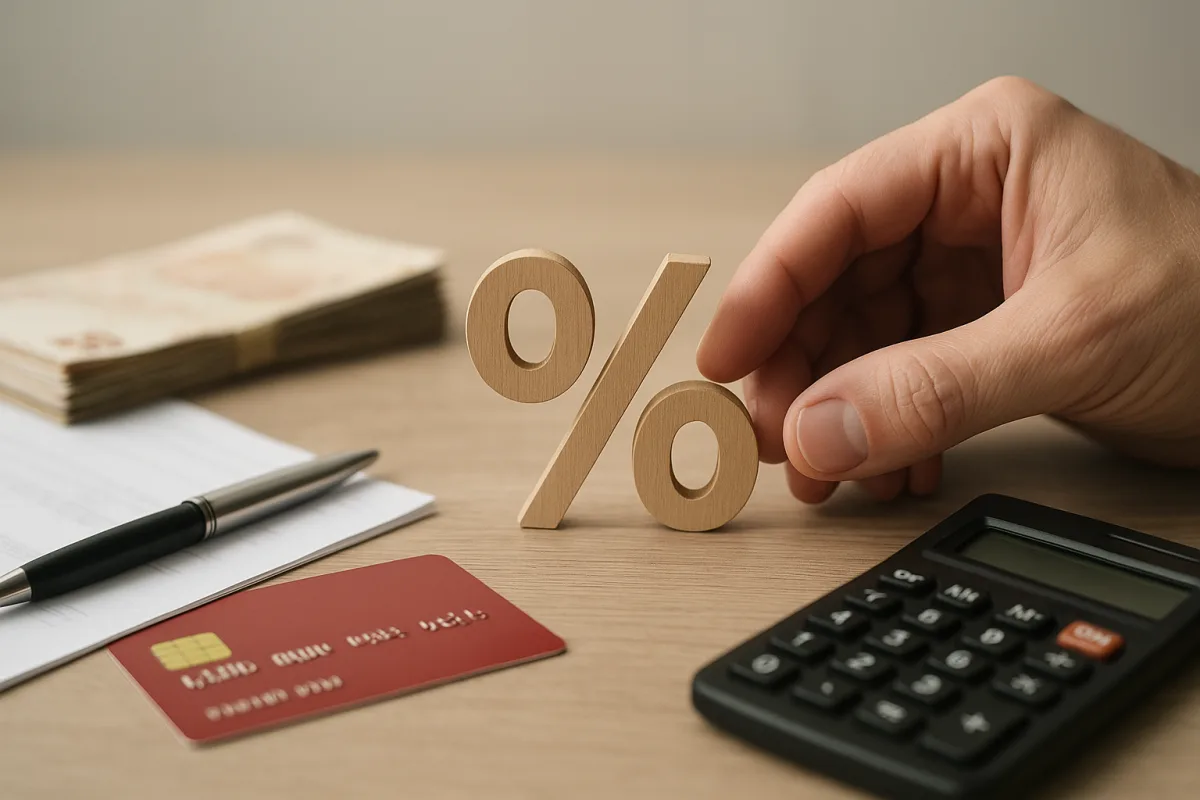
¿Por qué baja el historial crediticio?
El historial crediticio se considera un indicador general del riesgo asociado a la forma en que una persona devuelve sus deudas. Los bancos y las entidades financieras pueden tener en cuenta este perfil al ofrecer productos como tarjetas de crédito o préstamos al consumo; por eso, conviene conocer las causas de una caída y trabajar para mejorar la puntuación con el tiempo.
La disciplina de pago es uno de los factores más decisivos
Los retrasos en facturas, extractos de tarjeta de crédito o cuotas de préstamos figuran entre las razones que más suelen mencionarse cuando baja el historial crediticio. En especial, romper el hábito de pago regular puede transmitir la impresión de que cuesta gestionar las obligaciones financieras.
El peso de la deuda actual y las solicitudes frecuentes también puede influir
Utilizar gran parte de los límites de las tarjetas, asumir varias deudas al mismo tiempo o presentar nuevas solicitudes de crédito una tras otra en un corto periodo también puede empeorar la percepción de riesgo. Esta situación puede interpretarse como un aumento del nivel de deuda en relación con los ingresos o como una mayor necesidad de financiación.
- Mantener la deuda de la tarjeta de crédito en niveles elevados de forma constante
- Convertir en hábito el pago mínimo
- Presentar muchas solicitudes de financiación en intervalos cortos
¿Qué hacer para subir la puntuación crediticia?
Mejorar la puntuación no suele depender de un solo paso, sino de una gestión financiera constante y paciente. La mejora del historial suele producirse cuando el comportamiento de pago pasado empieza a reflejar, con el tiempo, una evolución más positiva.
Pagos puntuales y control del uso del límite
El primer paso es planificar todos los pagos antes de la fecha de vencimiento y, si es posible, acercarse al importe total. Usar la tarjeta sin llegar al límite máximo, reducir la carga de deuda existente y evitar retrasos puede ayudar a proyectar una imagen más favorable.
Ser prudente al endeudarse de nuevo
En lugar de presentar solicitudes una detrás de otra, conviene priorizar las necesidades reales para construir un perfil más equilibrado. Añadir nuevas obligaciones sin haber controlado las deudas anteriores puede alargar el proceso de recuperación, por lo que se impone una actitud prudente.
- Elabore un calendario de pagos y valore las opciones de domiciliación automática.
- Reduzca, si es posible de forma gradual, las deudas de tarjetas y préstamos.
- Siga la relación entre ingresos y gastos y posponga nuevas decisiones de endeudamiento.
¿Cómo hacer seguimiento del registro de Findeks?
En Turquía, muchos ciudadanos consideran importante seguir su perfil financiero a través de registros de evaluación crediticia como Findeks (servicio turco de historial crediticio). Aunque estos registros no bastan por sí solos para entender por qué cambia la puntuación, sí ayudan a vigilar con más atención aspectos como el historial de pagos, la carga de deuda y el volumen de solicitudes.
En definitiva, los cambios en la puntuación crediticia no se producen de forma inmediata, sino que reflejan el efecto acumulado de los hábitos. Mantener pagos regulares, endeudarse con moderación y conservar la disciplina presupuestaria puede reducir el riesgo de caída del historial crediticio y favorecer un perfil financiero más sano.
"""


Comentarios (0)
Aún no hay comentarios. Sea el primero.
Escribir Comentario
Yorum yazmak için giriş yapın. Üyelik ücretsiz; yorumunuz editör onayından sonra yayımlanır.