

Two decrees fail to win support in parliament
Two decrees drafted by Spain’s minority government to address the housing crisis failed to secure approval in the Congress of Deputies. The first text was rejected by 178 votes to 172, while the second was defeated by 184 votes to 166. The result once again underscored that Prime Minister Pedro Sánchez does not command a majority in parliament.
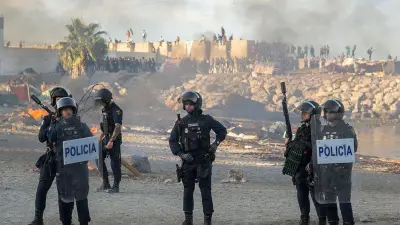
The government had prepared the measures in response to mounting anger across the country, with the aim of protecting tenants. But as decrees, the texts needed parliamentary approval to remain in force. Hundreds of protesters gathered outside the Congress building during the vote, and tensions rose after the results were announced.
What was in the package?
- Suspension of evictions for vulnerable tenants until 2030
- A two-year extension for rental contracts expiring before 2028
- Higher taxes on tourist apartments and limits on home purchases by some investment funds
- Automatic renewal of rental contracts
Eviction of 87-year-old tenant fuels protests
The case that became a symbol of the crisis was the eviction of 87-year-old Maricarmen Abascal from her home in central Madrid. Abascal was said to have been unable to afford the steep rent increase imposed by Urbagestión, the building’s owner. Hundreds of people took to the streets last week to protest the eviction, turning the demand for affordable rental housing into a nationwide movement.
Following public pressure, Urbagestión held talks about allowing Abascal to return to her home at a lower rent. Even so, tent protests and marches continued in Madrid and other cities. The Tenants’ Union, which is coordinating the protests, said it would end the tent encampment in central Madrid and shift the campaign to neighbourhoods and apartment blocks. Activists are also calling for a general strike over the housing crisis.
Political picture increases pressure on Sánchez
Before the vote, it was already clear that the conservative People’s Party and the far-right Vox would oppose both initiatives. The minority government therefore needed support from smaller parties in Catalonia and the Basque Country. However, Catalonia’s pro-independence centre-right party JxCat also said before the session that it would vote against both texts, effectively ending any chance of approval.
The outcome has strengthened debate over the possibility of early elections ahead of the general election expected next summer. According to sources quoted in the Spanish press, the government will assess its next move over the weekend, including whether parliament should be dissolved. Sánchez’s government has also been under pressure for some time because of scandals and legal proceedings involving the Socialist Party and its close allies.
"""





Comments (0)
No comments yet. Be the first to comment.
Write a Comment
Yorum yazmak için giriş yapın. Üyelik ücretsiz; yorumunuz editör onayından sonra yayımlanır.