
Approval process is shaping the direction of energy investment
The final decision on the Rosebank and Jackdaw fields in the United Kingdom is being seen as a critical test for the country’s energy investment outlook. Equinor said it could take a more cautious approach to new investment opportunities in the country if the two projects are not approved.
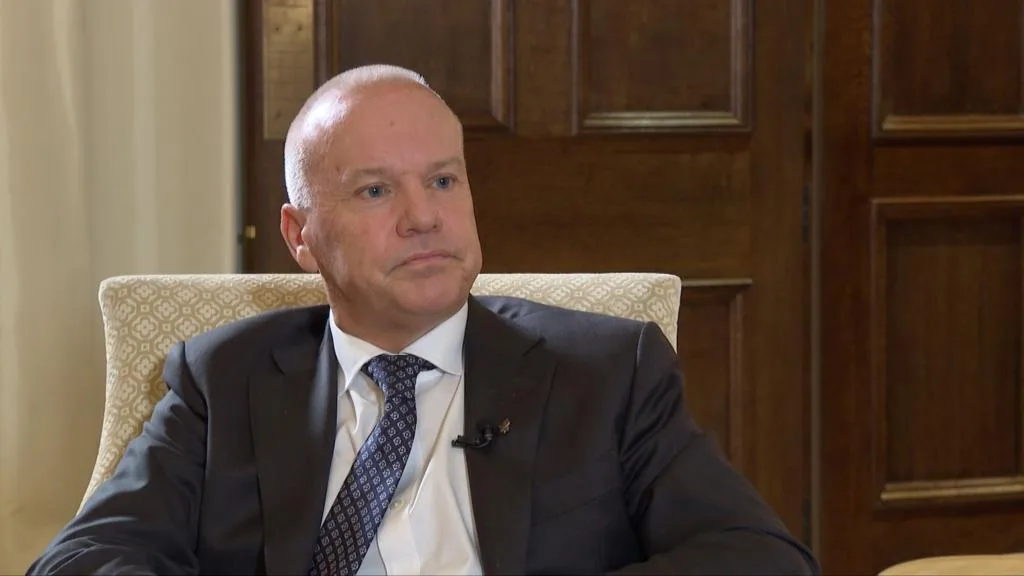
Anders Opedal, the company’s chief executive, said a possible rejection would raise questions about the UK’s future investability. The government said it would consider all relevant evidence in the review process, including environmental impact assessments and public submissions.
Why do energy supply and production prospects matter?
Rising energy prices have put the issue of energy security back at the center of debate in the UK. Official forecasts suggest domestic production could fall by half by 2035, while the country already meets about half of its gas needs from Norway.
- The decision on Rosebank and Jackdaw could affect new capital flows into the North Sea.
- Declining domestic production is intensifying concerns over import dependence and price volatility.
How large are the Rosebank and Jackdaw fields economically?
Rosebank stands out as the UK’s largest undeveloped oil and gas field. The field, located northwest of the Shetland Islands, is estimated to contain up to 500 million barrels of oil and gas.
According to the company, the exploration license for the field was granted in 2001, the discovery was made in 2004 and the final investment decision was taken in 2023. Rosebank and Jackdaw are operated by Adura, a joint venture between Equinor and Shell, while Aberdeen-based Ithaca holds a 20% stake in Rosebank.
Adura had previously said that, if the necessary approval were granted soon, gas from Jackdaw could begin supplying households in the UK this winter, as construction is 99% complete.
Legal process and political debate continue
Both projects initially received approval under the previous Conservative government. However, the process was delayed after environmental groups challenged the decision, arguing that the climate impact had not been properly taken into account, leading to a court ruling in Scotland.
After a public consultation that ended in August, the final decision is expected to be made by Energy Secretary Miatta Fahnbulleh. While the government says the North Sea remains a strategically important national asset, anti-fossil fuel groups argue that new drilling will not lower bills and would conflict with climate targets.
"""




Comments (0)
No comments yet. Be the first to comment.
Write a Comment
Yorum yazmak için giriş yapın. Üyelik ücretsiz; yorumunuz editör onayından sonra yayımlanır.