

Why is a vehicle inspection report important?
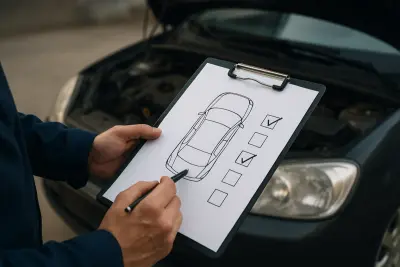
Vehicle inspection helps buyers understand the overall condition of the bodywork, mechanical parts, electronics and safety components before purchasing a used car. The report alone should not determine the purchase; it should be read together with a test drive, registration details, service history and the seller’s statements.
A good inspection report makes it clear which parts have been replaced, where repairs were carried out and what costs current faults could lead to. The main sections to review are usually body condition, drivetrain, brakes, engine, transmission and electronic systems.
What should you look for in the bodywork, chassis and damage history sections?
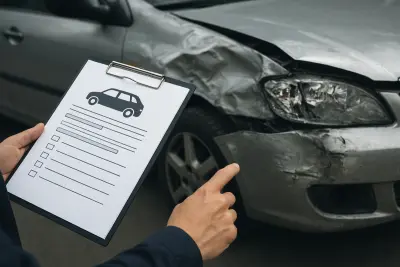
One of the first areas to check is the body structure. Paintwork, spot repairs or part replacements do not always mean something negative on their own; what matters is where the work was done and whether it extended to structural areas. In particular, the chassis, pillars, underbody mounts and roof should be assessed carefully for safety.
Findings that may be warning signs
- Inconsistencies between the damage history and the part repairs listed in the report
- Signs of straightening, welding or heavy repair on load-bearing areas such as the chassis, pillars or underbody mounts
- Visible misalignment in the hood, doors and trunk gaps
- Repeated paintwork or part replacement in the same area
The key point here is whether the defect is cosmetic or structural. Cosmetic repairs may leave room for negotiation, while structural work can raise bigger concerns about the car’s history, safety and future resale value.
How should engine, drivetrain and electronics be interpreted?
In the engine inspection section, pay attention to notes such as oil leaks, signs of fluid consumption, unusual noises, rough running and a tendency to overheat. Transmission shifts, clutch feel, braking performance, suspension noises and steering response are also factors that affect the overall repair risk.
On the electronics side, warning lights, sensor alerts and the operation of systems such as air conditioning, infotainment, windows and lighting are important. Electrical issues that seem minor can sometimes point to wider problems such as wiring faults, battery issues, charging system failures or water ingress.
What should be completed before making a decision?
- Check that the registration, chassis number and mileage information match each other.
- Where possible, support the inspection findings with a test drive and service records.
- Ask about maintenance history and replacement timing for items that could lead to extra costs.
In the end, an inspection report is not just a document that says “buy” or “do not buy.” Reading it correctly helps buyers spot hidden risks early when purchasing a used car and assess the total cost more accurately.
"""




Comments (0)
No comments yet. Be the first to comment.
Write a Comment
Yorum yazmak için giriş yapın. Üyelik ücretsiz; yorumunuz editör onayından sonra yayımlanır.