
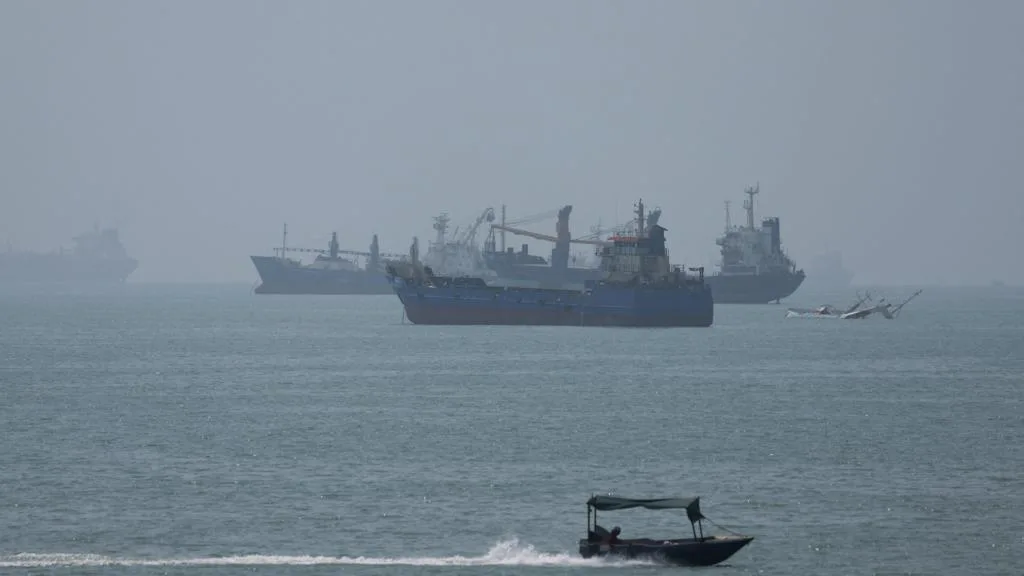
Larak Adası'na yönelik saldırıda gerilim yeniden tırmandı
ABD'li bir yetkiliye göre Amerikan güçleri, İran kıyısındaki Larak Adası üzerinde bulunan iki İran fırlatıcısını vurdu. Bu adım, temmuz sonundan bu yana bilinen ilk ABD saldırısı olarak kayda geçti. ABD Merkez Kuvvetler Komutanlığı'nın açıklamasına göre İran Devrim Muhafızları unsurlarının Hürmüz Boğazı'na deniz mayını sevk etmeye hazırlanması saldırının gerekçesi olarak gösterildi.
İran Devrim Muhafızları, pazar günü düzenlenen saldırıda ölen ve yaralananlar bulunduğunu açıkladı. Devrim Muhafızları'na yakın Tasnim haber ajansı ise ilk belirlemelere göre 2 kişinin öldüğünü, 2 kişinin de yaralandığını bildirdi. Tahran yönetimi, saldırının karşılığının verileceğini duyurdu.
Washington ile Tahran'ın açıklamaları ne söylüyor?
ABD Başkanı Donald Trump, geçen hafta yaptığı açıklamada İran'ın Hürmüz Boğazı'na yerleştirdiği mayınların tamamının etkisiz hale getirildiğini ya da kaldırıldığını söylemişti. Trump ayrıca yeni mayın bırakmaya çalışan herhangi bir gemi veya botun imha edileceği uyarısında bulunmuştu. İran Dışişleri Bakan Yardımcısı Kazem Garibabadi ise bu değerlendirmeyi propaganda olarak nitelemişti.
Washington, 24 Ağustos'ta Tahran'a yönelik yeni bir yaptırım kampanyası daha başlattı. ABD'nin amacı, İran'ı daha fazla tecrit etmek ve müttefiklerine yönelik ikincil yaptırımları genişletmek olarak açıklandı. İranlı yetkililer ve devlet medyası ise bu adımı, son çatışmadaki askeri başarısızlığın ardından gelen mevcut baskı politikasının devamı olarak değerlendirdi.
- ABD tarafı, ayın başında boğazın ana ticaret hattındaki tüm mayınların temizlendiğini bildirdi.
- İran tarafı ise saldırının hem ekonomik hem askeri sonuçları olacağını savundu.
Hürmüz Boğazı neden kritik bir hat olarak görülüyor?
Hürmüz Boğazı küresel deniz taşımacılığı açısından en hassas geçişlerden biri olarak kabul ediliyor. Larak Adası, İran'ın önemli limanlarından Bandar Abbas'ın hemen açıklarında yer alıyor ve boğazın üzerinde stratejik bir noktada bulunuyor. Haberde yer alan bilgilere göre İran, tanker trafiğini denetim için bu ada yakınından geçiriyor ve gemilerden geçiş için 2 milyon dolar talep edildiği öne sürülüyor.
ABD ve İsrail, 28 Şubat'ta İran'a geniş çaplı saldırılar başlatmış; İran da İsrail'i, ABD üslerini ve Körfez'deki müttefik ülkeleri hedef alarak karşılık vermişti. Bu süreçte Hürmüz Boğazı fiilen deniz trafiğine kapanmıştı. Savaş öncesinde dünya petrolü ile sıvılaştırılmış doğal gaz taşımacılığının yaklaşık %20'si bu su yolundan geçiyordu.




التعليقات (0)
لا توجد تعليقات بعد. كن أول المعلقين.
اكتب تعليقاً
Yorum yazmak için giriş yapın. Üyelik ücretsiz; yorumunuz editör onayından sonra yayımlanır.