
What does the Jackson Hole message mean for markets?
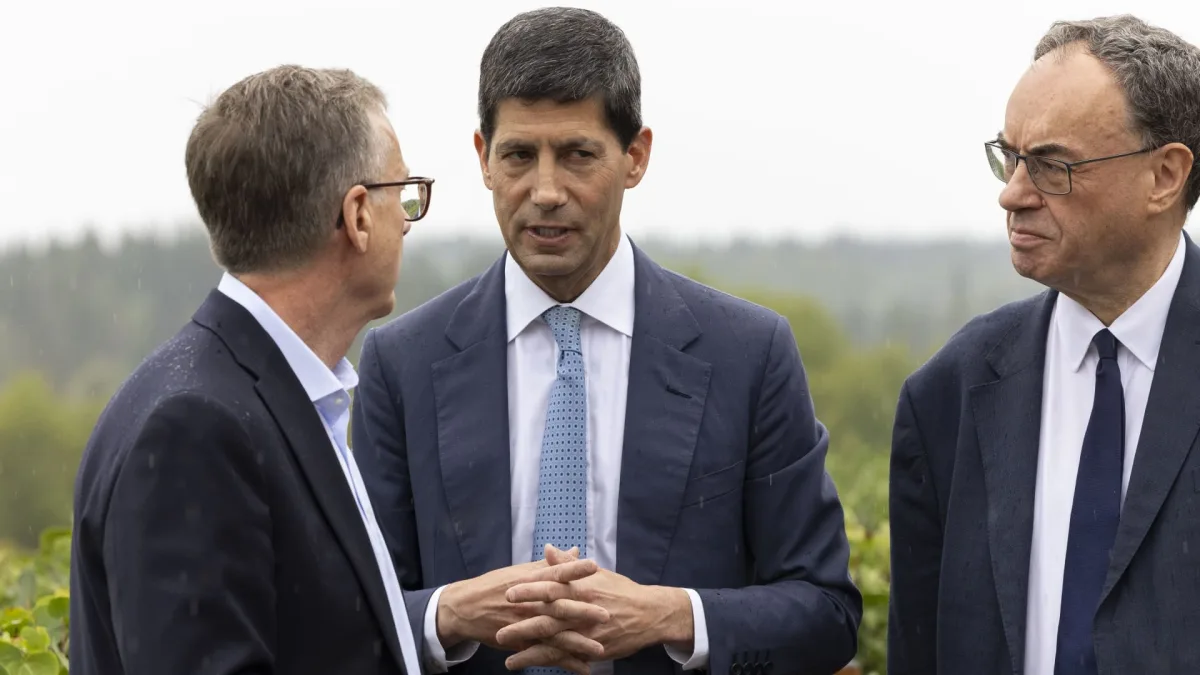
Fed Chair Kevin Warsh signaled in remarks at the Jackson Hole meeting in Wyoming that a rate hike could remain an option if stubborn inflation persists. Coming ahead of the Fed’s mid-September meeting, the comments were aimed at easing questions about the direction of monetary policy after unclear messaging in July.
Warsh’s first press conferences in July were criticized for failing to provide a clear framework for the path of interest rates. That uncertainty had triggered selling, especially in the long-term Treasury market, as investors began pricing in a higher risk premium for the Fed’s stance.
What picture do the inflation readings and the 2% target paint?
In his Jackson Hole speech, Warsh said high price levels should remain the Fed’s core priority. Stressing that financial conditions are not broadly restrictive, the Fed chair adopted a more hawkish tone than he did in July.
Warsh also stood firm on the Fed’s official 2% PCE inflation target. Describing it as a “solid, fixed target,” Warsh pointed to data released this week showing July PCE inflation at 3.7%.
Which indicators did Warsh highlight?
The Fed chair said he looks at multiple price gauges rather than relying on a single series. The key figures he cited were:
- 54% of PCE components over the past 12 months rose at an annualized pace above 3%.
- Over the past 6 months, that share was calculated at 49%.
- CPI stands at 3.4%.
According to Warsh, none of these measures is perfect on its own; but taken together, they point to inflation remaining above target. The approach suggests the Fed is giving greater weight to the breadth of price pressures.
What will markets watch ahead of the September meeting?
The Fed’s next interest-rate decision will be announced in mid-September. Warsh did not make an explicit commitment for that meeting, but said short-term rates are the Fed’s main tool for carrying out its dual mandate of price stability and employment.
Warsh also said the Fed is monitoring advances in artificial intelligence, but that they are not yet having a decisive effect on current policy decisions. The fading of that issue, once cited as a reason for lower rates, and the lack of any new signal on balance-sheet reduction have shifted markets’ focus squarely back to inflation data and the September meeting.
The speech also made clearer the gap between Donald Trump, who wants lower rates, and Warsh’s reading of the economy. Still, the key question now is how persistent the Fed judges inflation stickiness to be in the weeks ahead, as new data come in.
"""

Comments (0)
No comments yet. Be the first to comment.
Write a Comment