
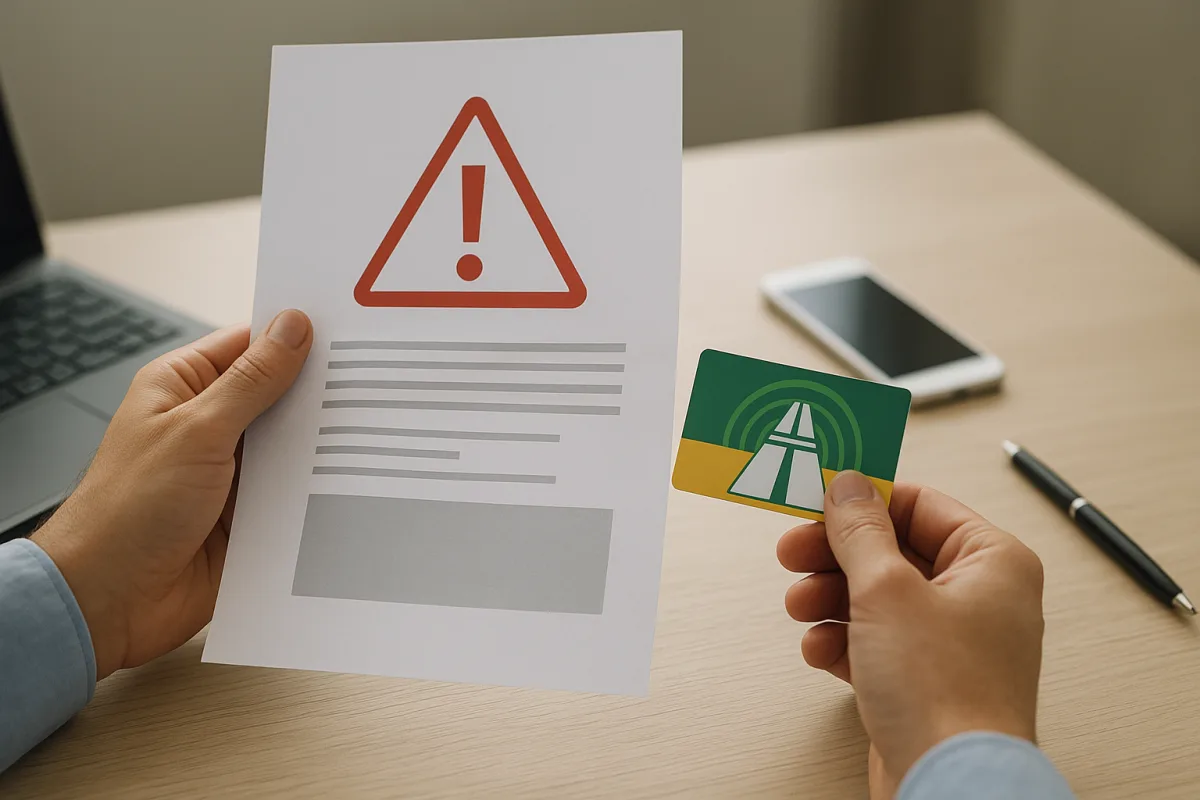
Where can you check HGS and OGS debt?
HGS debt checking is one of the most common steps for drivers who want to review toll records linked to a vehicle’s license plate. In particular, e-Government, relevant bank apps and the online screens of highway or bridge operators can help determine whether there is any outstanding debt or violation record. Even after OGS was phased out, records related to older crossings can still occasionally come up.
When checking, it is important to match the license plate, vehicle class and the product linked to the account correctly. A wrong plate, a closed account or insufficient balance may prevent the toll from being collected automatically.
Most common checking channels
- Relevant service screens within e-Government
- Digital channels of the bank or payment institution linked to the HGS account
- Violation inquiry pages of the institutions or companies operating highway and bridge crossings
How do traffic violations and OGS penalties occur?
A traffic violation may occur when a vehicle passes through a toll road but the fee cannot be collected by the system. This is often caused by insufficient balance, the tag not being read, an error in the plate-account match, or a technical mismatch related to an old OGS record. In such cases, the toll fee comes first, followed by an additional penalty under the rules or regulations of the operator.
The amounts commonly referred to as an OGS penalty usually stem from tolls that could not be collected in the past. However, the payment period, extra charges and any discount options are not fixed; they may vary depending on the road operator and the content of the official notice. For that reason, it is necessary to look at the current debt record and the details of the notice rather than relying on a single screenshot.
Things to watch during the penalty process
- Check which crossing the debt record belongs to and whether the plate number is correct.
- Review whether your account had a balance, an active product or the correct vehicle definition on the crossing date.
- To avoid further delays, verify the record without waiting for official payment and appeal channels.
What steps should be taken for payment and appeals?
When a debt or penalty record appears, the first step is to confirm whether the payment channel is official. Then the toll crossings linked to the plate should be reviewed, and if possible, receipts and account statements should be kept. If you believe there is an error, submitting documents to the relevant operator or the institution linked to the account can make the process easier.
Quick checklist
- Verify the license plate and vehicle class information.
- Check whether the account is active and review balance movements.
- Compare the date of the violation record, the crossing point and the collection status.
- If necessary, apply through the official appeal channels with screenshots, receipts and membership details.
In short, the safest approach for HGS and old OGS debts is to regularly check the information through official channels and, in the event of a possible violation, act quickly to pay or appeal. Since details may vary by operator, the most up-to-date official statements and screens should be used as the main reference.






Comments (0)
No comments yet. Be the first to comment.
Write a Comment