
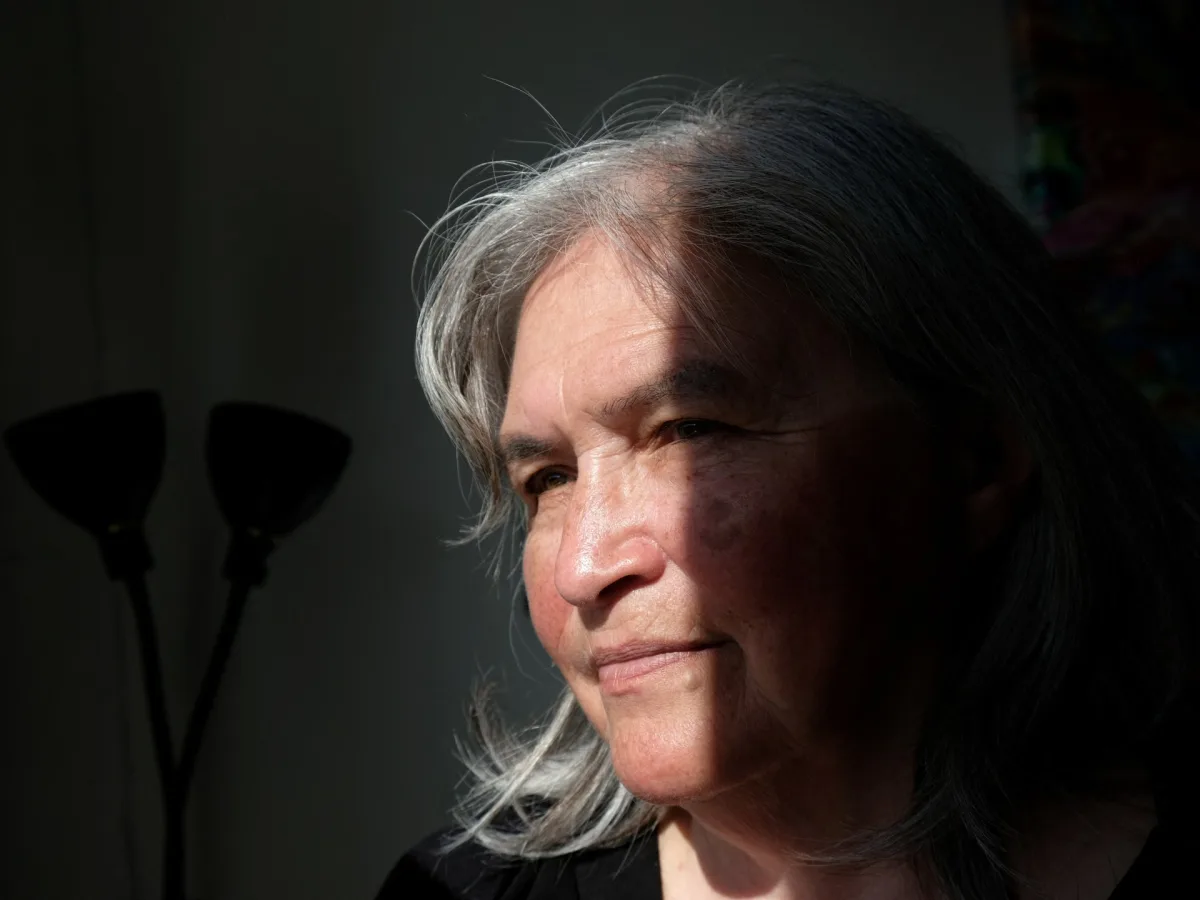
Expert reports failed to reach the same conclusion
The debate over forced birth control in Greenland has entered a new phase after the government decided to establish a truth and reconciliation commission. The move came after a four-member expert group appointed in 2024 was unable to reach a joint assessment on whether the practices could be classified as genocide.
Justice Minister Marianne Paviasen said on Friday, Aug. 28, that one of two reports concluded the practices did not amount to genocide, while the other said the scale of the violations could not be clearly defined under that legal label. “On behalf of the government, we cannot say whether this was genocide,” Paviasen said.
Prime Minister Jens-Frederik Nielsen said the commission to be formed would not be about finding culprits, but about uncovering the truth and building a genuine basis for reconciliation. Danish Prime Minister Mette Frederiksen also said the political process would be handled jointly by Copenhagen and Greenland’s government.
What was the practice that stretched from the 1960s to the 1990s?
According to a joint Denmark-Greenland investigation published last year, at least 4,000 Greenlandic Inuit girls and women were fitted with an intrauterine device, or given a contraceptive injection, between the 1960s and the 1990s. The investigation found that in many cases these procedures were carried out without the women’s knowledge or explicit consent.
The report said Danish officials at the time believed that reducing birth rates and family size would improve living standards as well as social and health conditions. It said this approach particularly affected the Indigenous Inuit community in Greenland, the Arctic island with an autonomous status within the Kingdom of Denmark and a population of about 57,000.
- Some victims were reported to have suffered serious infections.
- Others experienced damage to their fallopian tubes or underwent hysterectomies.
- Some women later said they were unable to have children.
Compensation approved as victims question the process
Greenland’s Siumut Party has called for the genocide debate to be decided by a competent and independent international court. Victims, meanwhile, criticized the expert panel for including no Greenlandic Inuit members, arguing that their own experiences were once again being defined from the outside.
On Thursday, the Danish parliament approved a measure allowing women affected by the forced birth control campaign to seek compensation of up to 300,000 Danish kroner each. Copenhagen apologized for the practice last year, with Frederiksen describing it as systemic discrimination against Greenlanders.
"""




Comments (0)
No comments yet. Be the first to comment.
Write a Comment
Yorum yazmak için giriş yapın. Üyelik ücretsiz; yorumunuz editör onayından sonra yayımlanır.