
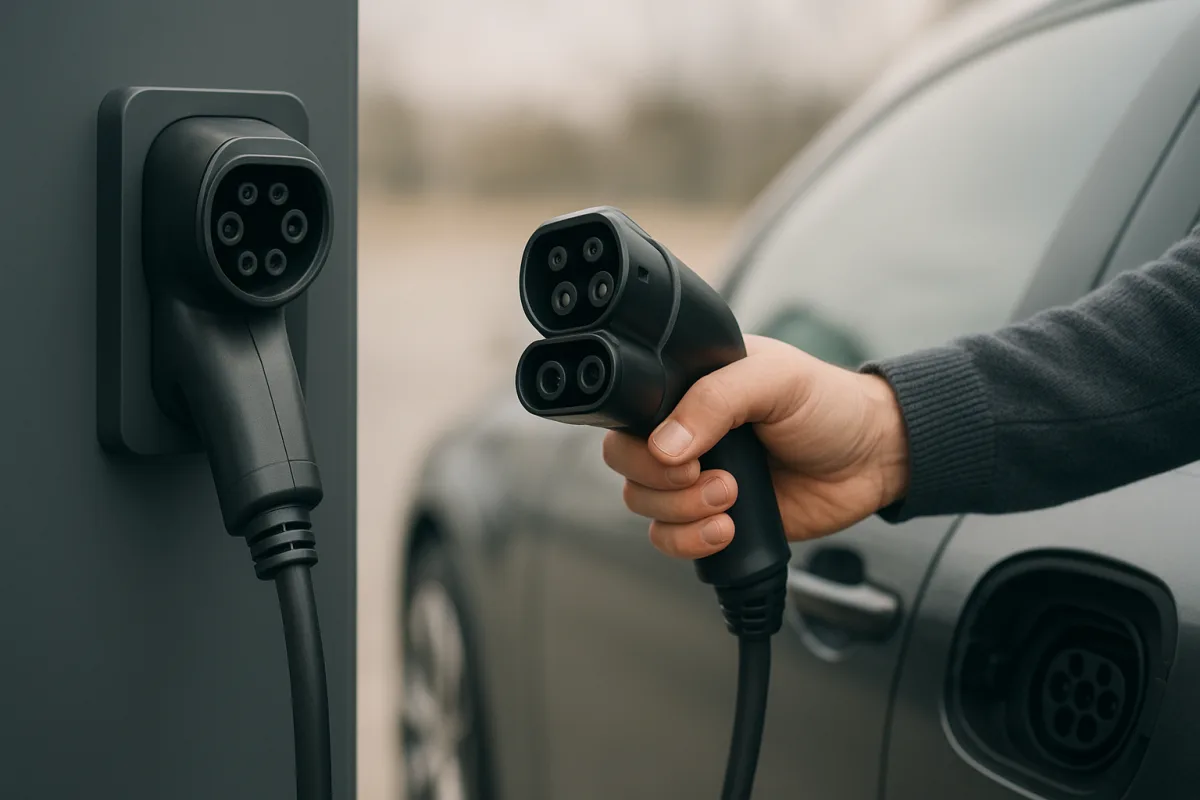
Why does the right match matter?
Choosing a charging station is not just a matter of location for electric vehicle users. If the station’s connector setup does not match the system accepted by the vehicle, charging cannot start; even when it is compatible, the supported power level directly affects waiting time and overall convenience.
For that reason, when making a choice, the connector type, whether the station operates on AC or DC power, and the range of power the vehicle supports should be considered together. Especially in different scenarios such as daily use, long-distance travel and urgent energy needs, the same station may not be the right choice for every driver.
What does connector compatibility provide?
Connector type is a key factor that determines whether the cable can physically connect to the vehicle and whether the system can communicate safely. Because the standards used in the market can vary by country, vehicle and charging network, it is important to compare the carmaker’s owner manual with the station’s information.
A wrong choice can lead to wasted time and may also mean searching for an adapter at the station. That is why drivers often make it a habit to check the connection standard on the app or station screen before setting off.
How does the AC vs. DC difference affect charging speed?
The AC DC charging distinction is the most basic way to understand charging time in practice. AC charging is generally more prominent for everyday use and places where parking times are long, while DC charging is usually preferred when energy needs to be topped up more quickly.
However, it should not be forgotten that a high-power station does not deliver the same result for every vehicle. That is because actual charging speed depends not only on the station’s capacity, but also on the vehicle’s battery management, the power it can accept, and in some cases the battery’s condition.
Which approach stands out in which use case?
- In places where vehicles stay parked for long periods, such as at home or at work, AC solutions suited to the car can offer a more planned and balanced experience.
- For drivers who want to save time while traveling, DC charging may be more practical to the extent supported by the vehicle.
- In heavy use, it is important to look not only at the highest power level but also at the station’s availability and the likelihood of waiting in line.
What questions should be asked when choosing a station?
To make the right choice, drivers need to clearly define their own usage habits. Rather than expecting the same performance from every station, finding a balance between the vehicle’s technical limits and daily needs delivers better results.
Checklist
- Is the station’s connector type compatible with my vehicle?
- Is the station AC or DC, and does that setup fit my usage scenario?
- Does the vehicle actually support the power level being offered?
- Do the location, waiting time and payment method make my use easier?
In short, choosing the right station for an electric vehicle is not only about seeking speed. A compatible connection, suitable power and an assessment based on the intended use are among the main factors that shape both time management and the charging experience.
"""



Comments (0)
No comments yet. Be the first to comment.
Write a Comment
Yorum yazmak için giriş yapın. Üyelik ücretsiz; yorumunuz editör onayından sonra yayımlanır.