
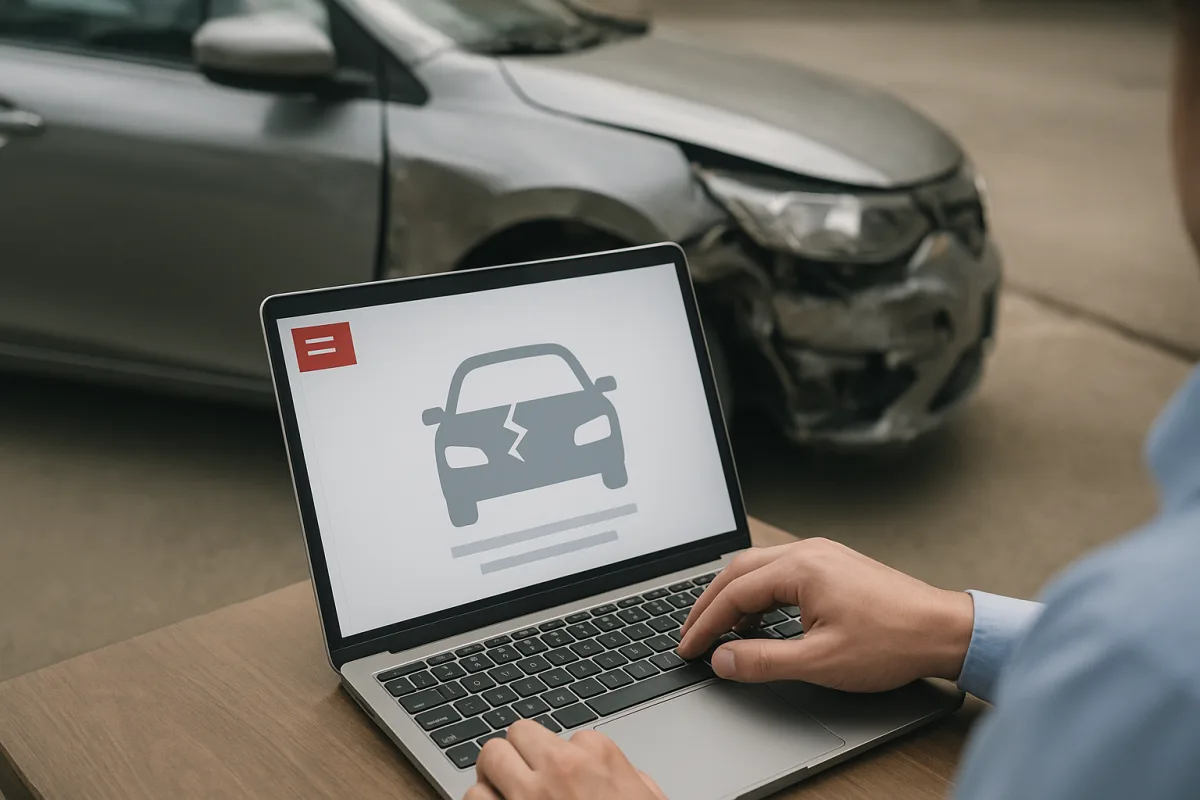
The basic way to check through e-Devlet
Checking a vehicle damage record offers buyers an important early screening step, especially when purchasing a used car. Commonly referred to as an e-Devlet tramer check, this process can help users view records related to the vehicle’s history on a single screen.
In general, the process begins by logging in to an e-Devlet account, searching for the relevant service, and entering the vehicle details requested by the system. The records shown on the results page can provide an initial picture of whether the vehicle was previously the subject of an insurance claim.
Steps to follow from login to the results screen
- Log in securely to your e-Devlet account.
- Find the service related to damage records in the search section.
- Enter the vehicle information requested by the system completely.
- Review the records and details shown on the screen carefully.
The scope of the information shown on the inquiry screen may vary depending on the service. For that reason, it is better to assess all the explanations on the screen together rather than deciding based on a single line.
How should the damage history be interpreted?
The existence of a damage history does not by itself mean the vehicle is problematic. Since a minor repair and a more serious incident may appear under the same heading, the nature of the record, whether it repeats, and the extent of the repair should all be read together.
During used car checks, focusing only on whether there is a “record” or “no record” is not enough. Repeated work in the same area, interventions that may affect safety components, or concerns involving structural parts may point to the need for a more detailed inspection.
Main points to review when evaluating the results
- Which part of the vehicle the record concerns
- Whether there are repeated repairs or signs of repeated work
- The possibility of part replacement or major repair
- Whether the seller’s statement matches the records
What should be done after the check?
Damage history data should not be seen as the sole basis for the final decision. A clearer picture emerges when the inspection report, service maintenance records, registration details, and the vehicle’s physical condition are reviewed together.
Not seeing a record on the results screen is also not a guarantee. Because of unrecorded repairs, missing documents, or information that may exist through other channels, using more than one verification method before purchase is a safer approach for the buyer.
"""
Comments (0)
No comments yet. Be the first to comment.
Write a Comment
Yorum yazmak için giriş yapın. Üyelik ücretsiz; yorumunuz editör onayından sonra yayımlanır.