
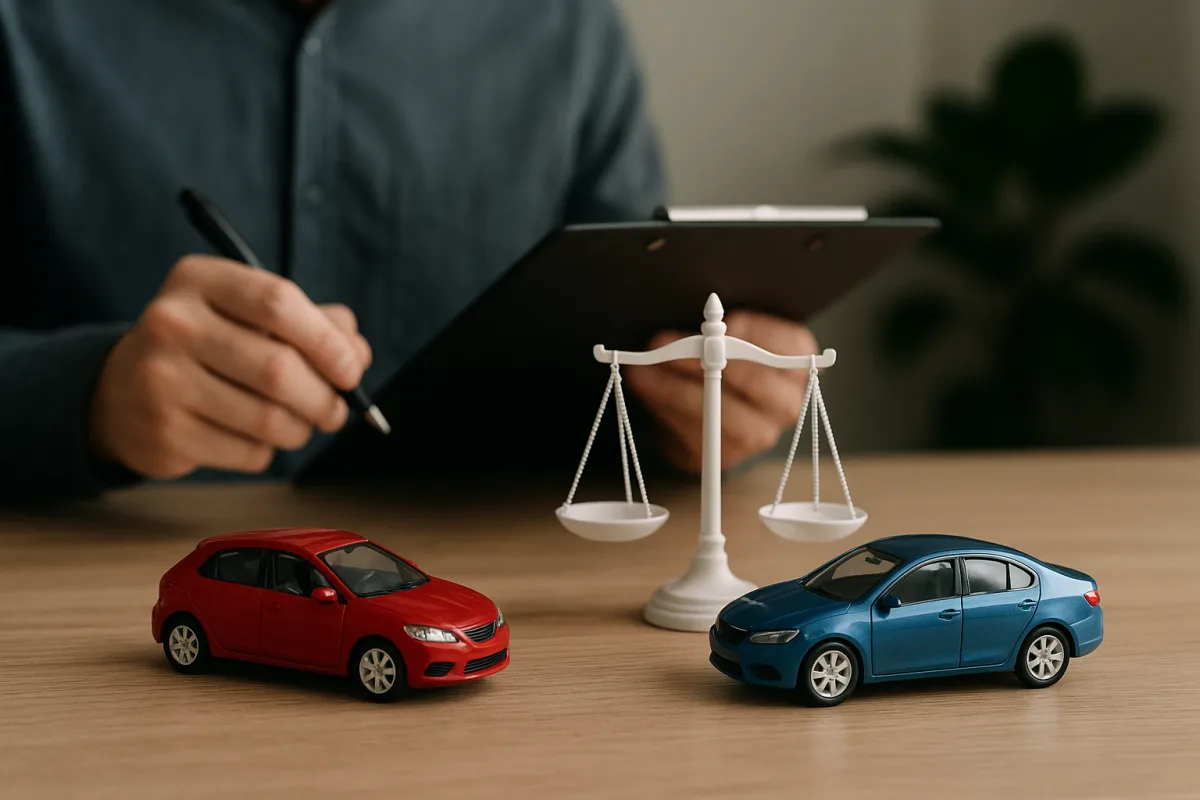
The main difference between comprehensive and traffic insurance
The most obvious difference between comprehensive car insurance and traffic insurance is the type of damage each policy covers. Mandatory traffic insurance generally provides protection for material damage and bodily injury caused to third parties in an accident, while comprehensive insurance can also cover damage to the insured vehicle itself, depending on the policy terms.
For that reason, the two products should not be seen as substitutes for one another, but as protections that respond to different risks. Premiums paid by the vehicle owner, as well as coverage limits, add-ons and deductibles, can also create significant differences between policies.
Why is one policy mandatory and the other optional?
Mandatory traffic insurance stands out as a legal requirement for vehicles on the road. Comprehensive insurance, by contrast, is optional; however, many drivers choose it to protect their vehicle’s value, cover repair costs and reduce exposure to additional risks.
- Traffic insurance primarily covers damage to third parties.
- Comprehensive insurance can focus on damage caused to the vehicle by collision, impact, theft or other external factors.
How does the coverage gap show up in damage comparisons?
If the other party’s damage is involved
If another vehicle, pedestrians or property belonging to a third party is damaged in an accident, traffic insurance is usually the first policy reviewed. The scope of coverage and payment conditions are determined by the terms stated in the policy.
If the vehicle’s own damage is at issue
The coverage gap becomes most visible at this point. Traffic insurance alone may not be enough to cover bodywork, glass, parts or other repair costs on the driver’s own vehicle; in such cases, the scope of the comprehensive policy becomes decisive.
However, not every comprehensive policy offers the same level of protection. In policies with limited cover, expanded cover or additional services, items such as minor repairs, replacement vehicles, natural disasters, lost keys or authorized service use may vary.
What details should be checked when choosing a policy?
It is important to examine not just the name of the policy, but also its content. Especially when making a damage comparison, it matters which risks are excluded, whether a deductible applies and whether extra services are included.
- Coverage limits and exclusions
- Repair network, service conditions and additional services
- Deductibles, usage conditions and driver restrictions
- Extra protection such as natural disasters, theft and glass damage
In short, the difference between traffic insurance and comprehensive insurance is more than just a matter of name. If vehicle owners compare coverage carefully before buying a policy and take their needs and driving habits into account, they can better understand which protection they will rely on in the event of damage.
"""





Comments (0)
No comments yet. Be the first to comment.
Write a Comment
Yorum yazmak için giriş yapın. Üyelik ücretsiz; yorumunuz editör onayından sonra yayımlanır.