
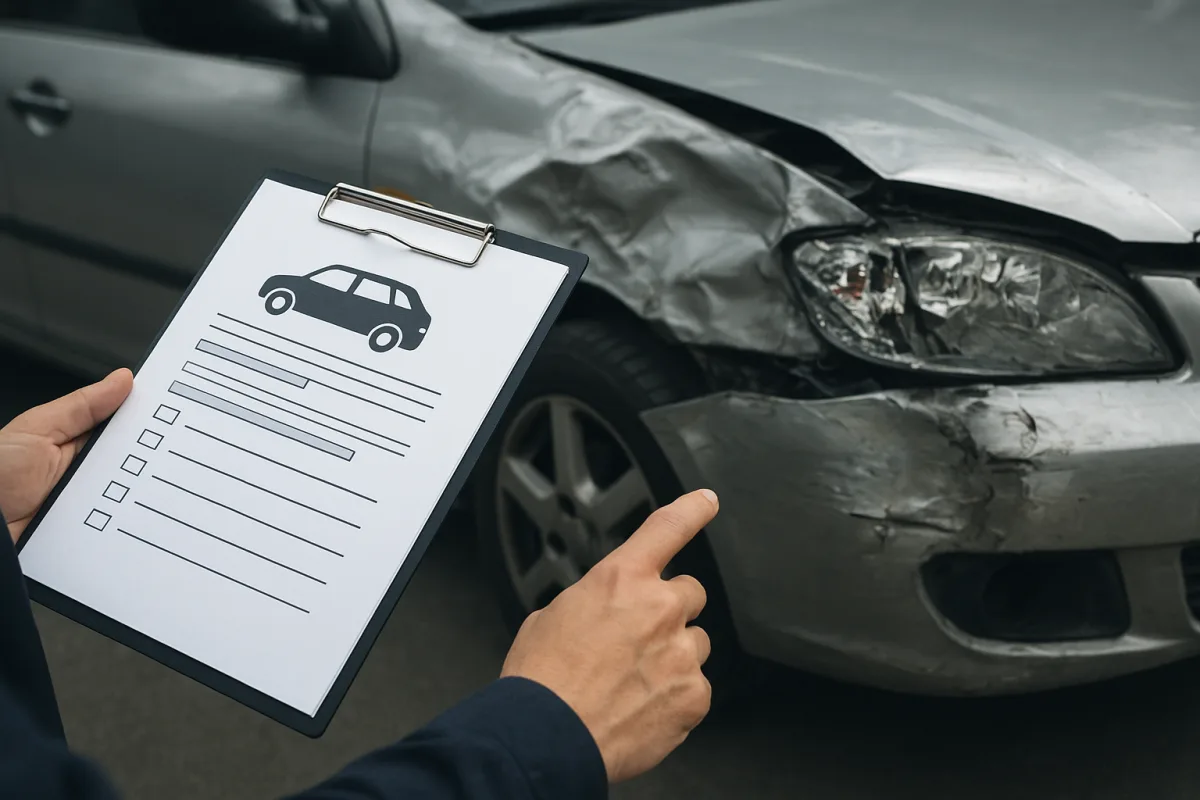
Que signifie un véhicule classé épave ?
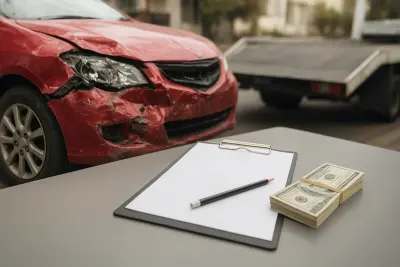
Un véhicule classé épave désigne une voiture ayant subi un accident ou des dommages importants, au point qu’un enregistrement spécifique est apparu dans le cadre de l’assurance et des réparations. En pratique, cette notion est associée aux cas où le coût de réparation est jugé trop élevé ou économiquement discutable. Sur le marché de la voiture d’occasion, ce statut n’est donc pas seulement une information sur les dégâts, mais aussi un indicateur important sur le passé du véhicule et son niveau de sécurité.
Toutefois, tous les véhicules gravement endommagés ne présentent pas aujourd’hui le même état technique. Certains ont pu être réparés dans les règles, tandis que d’autres n’ont été que superficiellement remis en état. C’est pourquoi, lors de l’achat d’une voiture d’occasion, il faut compléter l’information par une expertise et un contrôle physique plutôt que de se fier uniquement à l’enregistrement.
Comment vérifier un véhicule classé épave en occasion ?
Pour consulter l’historique d’un véhicule, il est essentiel de privilégier des canaux officiels et fiables. En Turquie, l’expression TRAMER est couramment utilisée dans le langage courant pour désigner l’historique d’assurance et de sinistres d’un véhicule ; les données correspondantes peuvent être vérifiées via les systèmes officiels, les procédures d’assurance et les interfaces de consultation autorisées. Il est également nécessaire de vérifier la concordance entre les informations de la carte grise fournies par le vendeur, la plaque d’immatriculation et le numéro de châssis.
Principaux éléments à contrôler
- Historique des sinistres et passé de gros dommages
- État des pièces remplacées et de la peinture
- Contrôles du châssis, des montants et des airbags dans le rapport d’expertise
- Cohérence entre le kilométrage et les entretiens enregistrés
- Correspondance entre l’annonce du véhicule et les données officielles
Si la consultation révèle un gros sinistre, plusieurs accidents ou des interventions sur des éléments de sécurité essentiels, il devient encore plus important de faire expertiser le véhicule en détail. En particulier, les travaux sur le châssis, le toit, les montants et le système d’airbags peuvent affecter autant la valeur que la sécurité du véhicule.
Faut-il acheter un véhicule classé épave ? À quoi faire attention ?
L’achat d’un véhicule classé épave dépend de la manière dont il a été réparé, de son état technique actuel et du prix demandé. L’élément déterminant n’est pas seulement l’ampleur du dommage passé, mais aussi la conformité des réparations aux normes. C’est pourquoi il est recommandé d’évaluer ensemble le rapport d’expertise indépendant, l’essai routier et, si possible, l’historique d’entretien.
Checklist pratique avant l’achat
- Comparez les déclarations du vendeur avec les enregistrements.
- Vérifiez que le numéro de châssis, la plaque et les informations de la carte grise correspondent.
- Demandez si les réparations de carrosserie ont touché des zones porteuses.
- Faites contrôler les airbags, les ceintures de sécurité et les systèmes électroniques de sécurité.
- Évaluez le prix par rapport à des véhicules ayant le même historique, et non seulement à des modèles similaires.
En définitive, un véhicule classé épave n’est pas forcément à exclure d’emblée ; en revanche, prendre une décision sans vérification correcte ni examen par un spécialiste comporte des risques. Pour acheter une voiture d’occasion dans de bonnes conditions, la meilleure approche consiste à combiner la consultation de l’historique avec une inspection technique.
"""

Commentaires (0)
Aucun commentaire. Soyez le premier.
Écrire un commentaire
Yorum yazmak için giriş yapın. Üyelik ücretsiz; yorumunuz editör onayından sonra yayımlanır.