
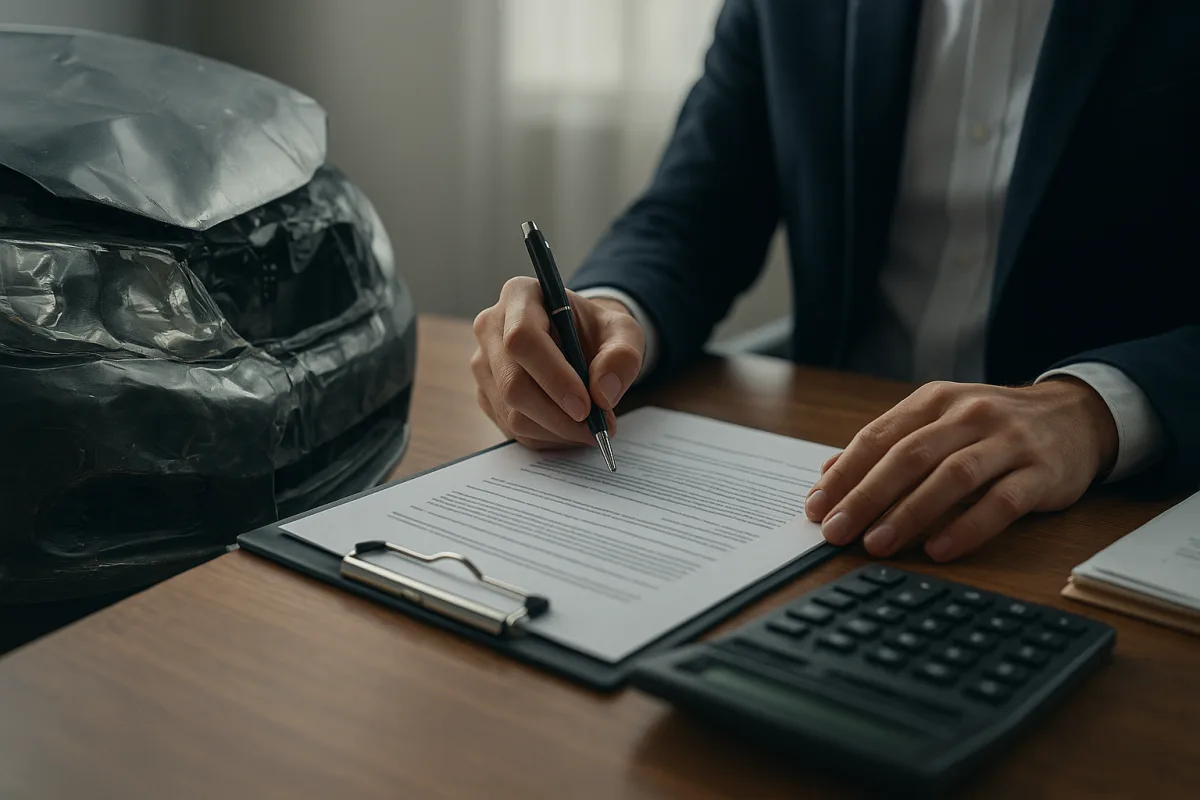
What does vehicle depreciation mean?
Vehicle depreciation refers to the loss in resale value that can occur in the used-car market after a traffic accident, even if the vehicle has been fully repaired. Bodywork, chassis, paintwork or replaced parts can make a car stand out from similar models in the eyes of buyers. For that reason, drivers may sometimes seek additional compensation apart from repair costs.
The key distinction here is between repair expenses and the reduction in market value. A workshop repair may fix the technical problem, but the damage history and the quality of the repair can still affect the selling price. In assessing depreciation, the file’s details, fault status and the impact of the damage on the vehicle are considered together.
What conditions are required for a depreciation claim?
For a vehicle depreciation claim to be filed, the nature of the accident and the parties’ fault status are the first important factors. In practice, whether the claim is accepted can depend on the extent of the damage, the vehicle’s prior condition, the type of repair and the insurance coverage. That is why the same outcome should not be expected in every case.
- Documenting that the damage is directly linked to the accident
- Showing the repair through service invoices, parts records or photos
- Demonstrating damage that could reduce the vehicle’s market value
- Submitting the claim to the relevant insurer or responsible party with the proper paperwork
In particular, severe damage, prior repairs, the scope of replaced parts and the car’s market history may affect the review. In some cases, an appraisal report or an independent technical assessment can be decisive in substantiating the depreciation claim.
How does the claim process work?
How should the required documents be prepared?
Before filing, the accident report, service and parts invoices, repair records, registration details and any available photos are gathered. The clearer and more organized the file, the smoother the insurance compensation review is expected to be. The application channel may vary depending on the policy relationship and the party responsible for the damage.
Review and possible appeal options
The insurer or the relevant counterparty reviews the submitted documents in terms of fault and the market impact the damage has had on the vehicle. If necessary, additional documents, an expert opinion or further technical evaluation may be requested. At this stage, it is important to keep all correspondence and record the reasons why the claim was accepted or rejected.
If the claim does not end as expected, an objection, reconsideration, arbitration or court action may come into play. However, since deadlines and procedures can vary from case to case, it is useful to consider the current regulations and professional legal advice. Especially in high-value disputes, expert support can help manage the process more clearly.
"""



Comments (0)
No comments yet. Be the first to comment.
Write a Comment
Yorum yazmak için giriş yapın. Üyelik ücretsiz; yorumunuz editör onayından sonra yayımlanır.